

https://shop.fervogear.com/cart


F1 Drivers Urged to Demand Big Changes After Shock Grand Prix Failure

Highlights
- F1 drivers urged to push for better track design involvement
- Sepang circuit praised for diverse corners and strategic racing
- New tracks like Madrid criticized for flat, restrictive layouts
- Albon highlights drivers’ limited current influence on track design
- Discussion grows on drivers shaping future F1 circuit designs
- 2026 Sepang return showcases value of well-designed race tracks
F1 drivers are being urged to demand greater influence over circuit design after a run of underwhelming events exposed shortcomings on several modern venues.
Williams driver Alex Albon argues the grid’s input remains limited and should carry more weight, especially when new layouts restrict racing lines and degrade race flow.

Sepang’s planned 2026 return underlines the contrast. The circuit blends varied corner profiles, elevation change, and camber, enabling multiple approaches and rewarding cars with strong mechanical grip.
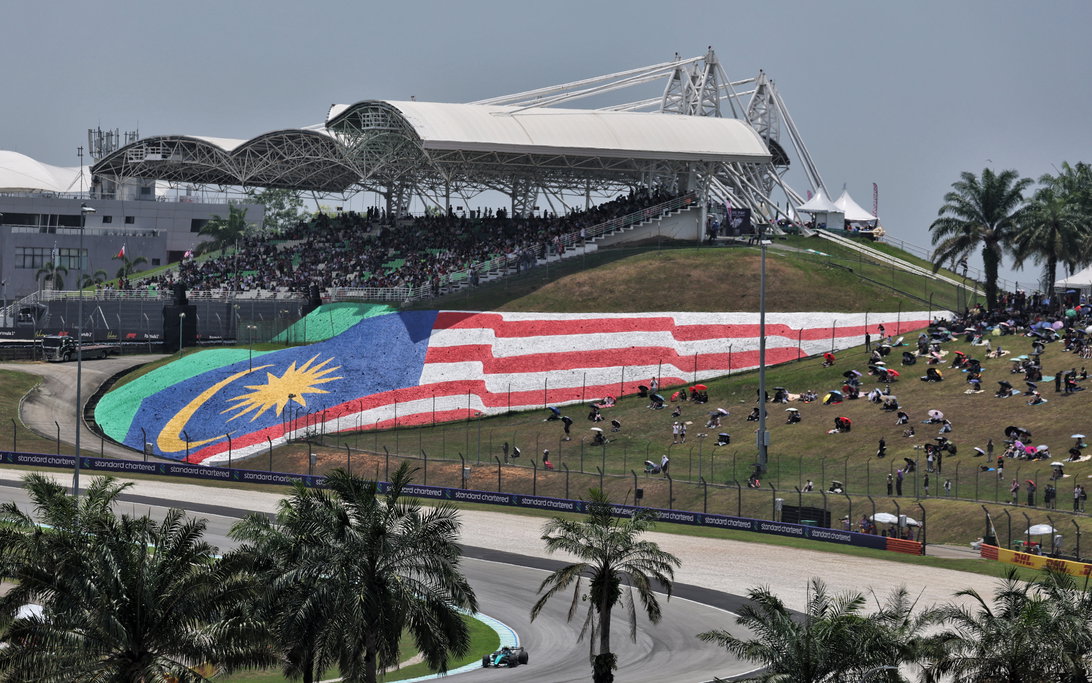
It is not the most overtaking-heavy track, yet abrasion and layout produce offset strategies and mistakes driven by tyre wear, keeping battles live across stints.
Albon: Drivers’ voices on circuit design “should be heard more loudly.”
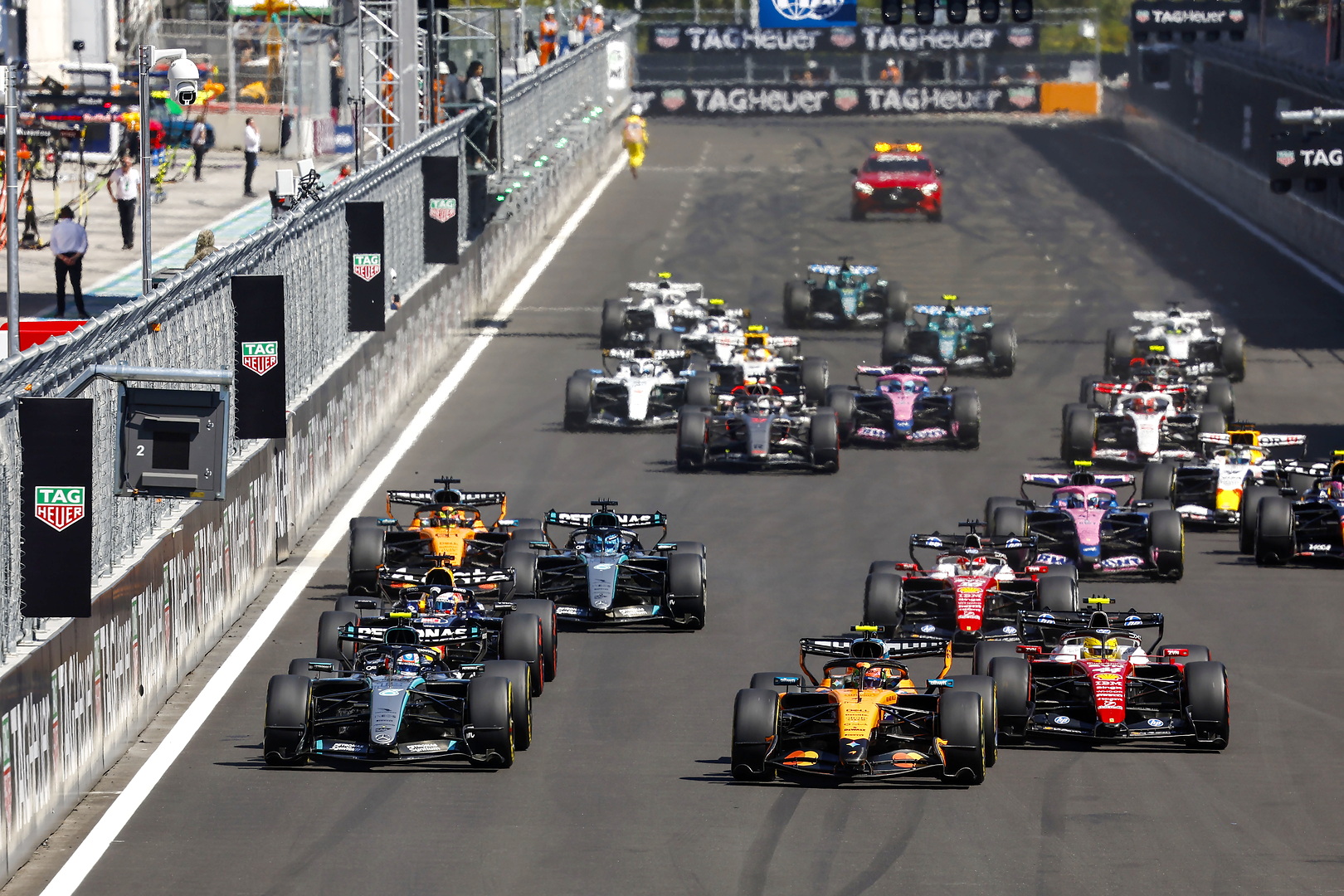
By contrast, recent additions such as Madrid, plus high-speed street venues like Jeddah and Lusail, often funnel cars into one line and suppress side-by-side opportunities.
Madrid’s sequence of 90-degree corners constrains entry variation and braking choices, limiting racecraft pay-off and discouraging set-up divergence that might otherwise create overtaking differentials.
Madrid’s 90-degree layout restricts flow and reduces overtaking options, inviting processional racing.
Kerb profiling and sensible, consistent track limits also matter. Older benchmarks encourage commitment without constant penalties, a balance some recent venues have struggled to replicate.
External factors amplify circuit characteristics. Variable weather and surface evolution, as seen during the 2026 Singapore Grand Prix, can transform grip, strategy choices, and passing potential.
Momentum is building as F1 assesses future calendars and rule cycles. The objective is balancing safety, promoter requirements, and spectacle without defaulting to flatter, more uniform layouts.
Drivers want earlier, structured involvement in design phases, potentially through a formal advisory forum reviewing corner sequences, kerbs, and run-off before projects advance to homologation.
Drivers’ influence on new-track design remains limited; they want a formal role much earlier in the process.
Whether commercial and regulatory stakeholders embrace greater driver input remains unclear. Yet Sepang’s return has refocused attention on characterful tracks that reward car performance and driver judgement.
The immediate test lies with upcoming venue choices. Can fresh designs deliver diverse lines and sustainable DRS-enabled passing without compromising safety standards?
Visual Summary
Sepang
Elevation • Flow • Overtaking
vs
New Layouts
Flat • 90° Corners • Single Line
F1’s Track Dilemma:
Should drivers have a say
in how races are won?
in how races are won?
🗣️
“Drivers should lead the call for tracks with more character and better racing.”
“Drivers should lead the call for tracks with more character and better racing.”
Excitement
Predictability
Older, varied tracks keep racing unpredictable
Newer layouts bring predictable processions
Newer layouts bring predictable processions
Will F1 drivers shape the tracks of tomorrow?
The debate is on – and fans are watching.
Sepang‘s return shows how good design means great racing.

Daniel Miller reports on Formula 1 Grand Prix weekends with race-day analysis, team-radio highlights, and point-standings updates. He explains power-unit upgrades, aerodynamic developments, and driver rivalries in straightforward, SEO-friendly language for a global F1 audience.