

https://shop.fervogear.com/cart


Lewis Hamilton Says Young F1 Drivers Are Growing More Cautious Racing in Rain

Highlights
- Hamilton observes younger drivers are more cautious in wet conditions
- 2026 F1 cars raced in rain at Sepang with 40-minute delay
- Intermediate tyres caused glitches during the rainy Sepang race start
- Veteran drivers push harder in wet; younger drivers take fewer risks
- Sainz supports FIA’s delayed Sepang race start for safety reasons
- Upcoming Singapore GP may see rain, testing wet-weather driver skills
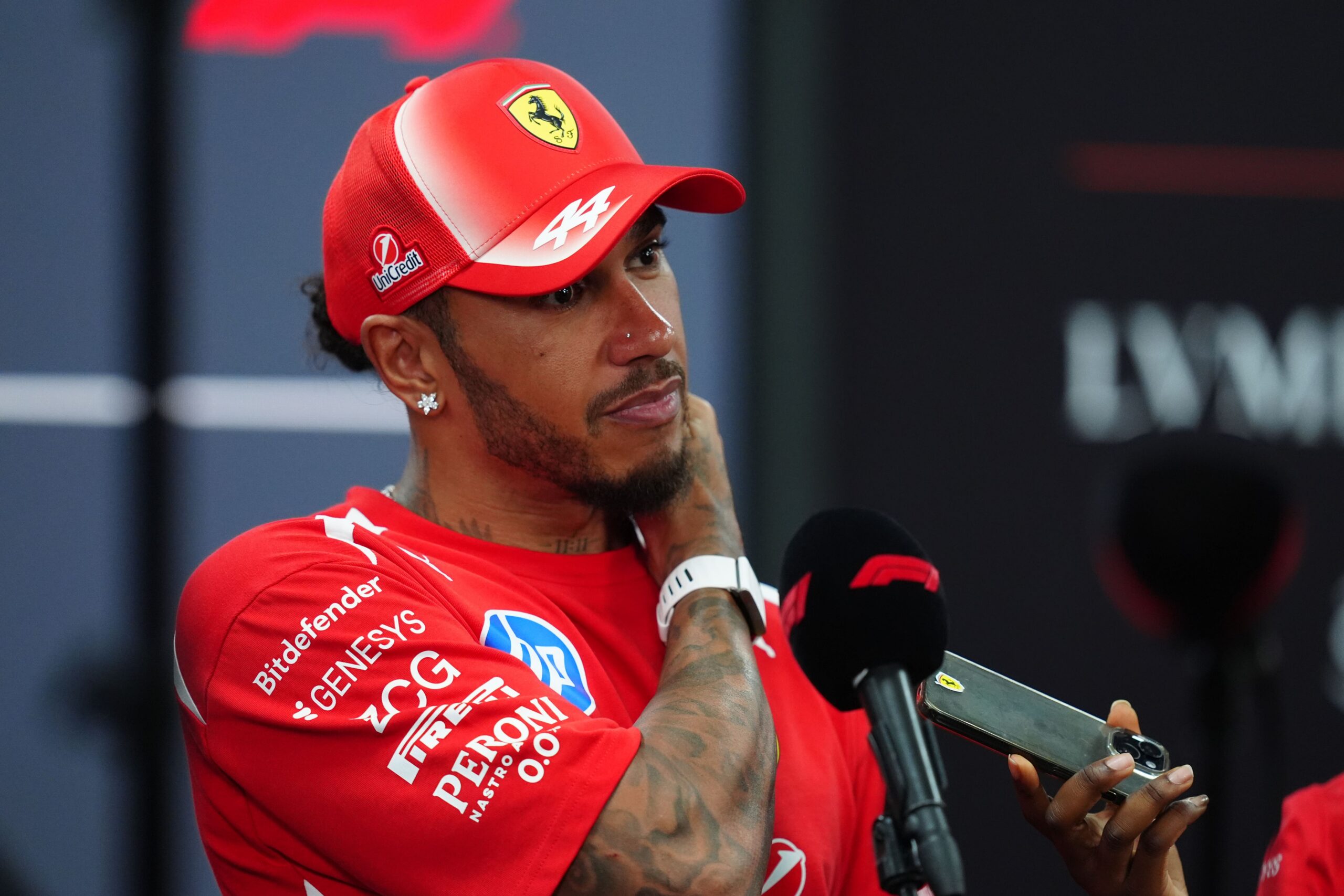
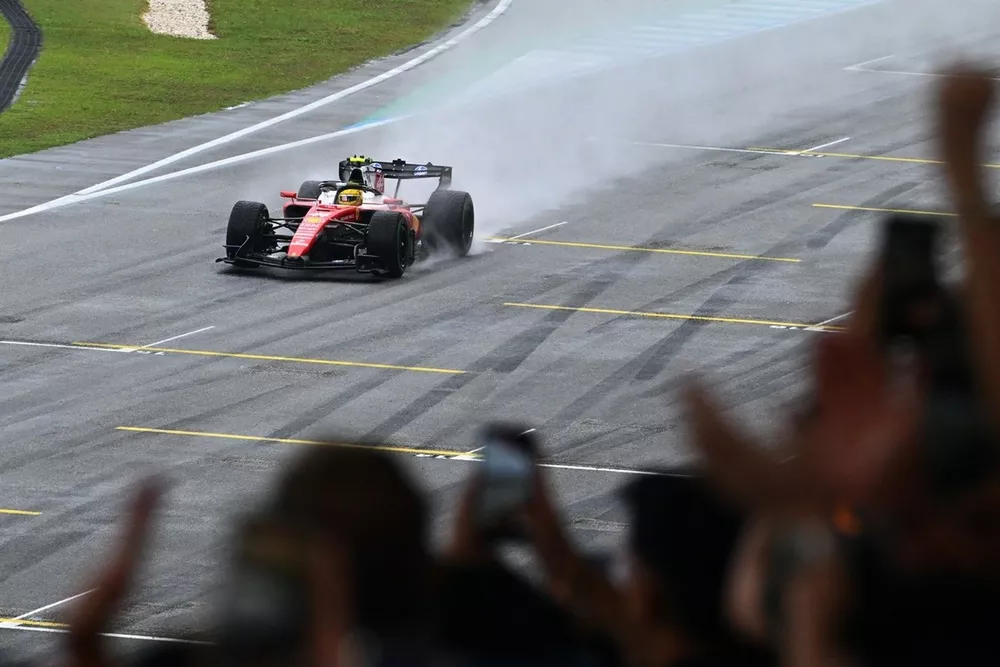
Lewis Hamilton says younger Formula 1 drivers show increasing caution in the wet, after a rain-affected Sepang race that delayed the start by 40 minutes.
The first substantial wet running for 2026-spec machinery exposes new operational challenges. All cars start on intermediates, and several teams report software glitches linked to tyre configuration.

Hamilton, 41, contrasts today’s approach with earlier eras featuring deeper wet-tyre development and greater testing freedom, citing 2008 as a reference for routine wet-weather combat.
He believes veteran drivers typically commit more in low-grip conditions. He frames wet races as the clearest test of craft, advocating “get racing” when visibility and grip margins tighten.
That stance aligns with Hamilton’s broader competitive intent this season and the scrutiny around his ongoing F1 comeback narrative, which prioritizes execution under pressure.
“Younger drivers are more cautious in the wet,” Hamilton says, highlighting a growing generational split in risk appetite.
Carlos Sainz supports the FIA’s call to delay the Malaysian start, arguing the eventual green flag balances safety with racing integrity. He welcomes the conditions despite technical complications limiting some rivals.
Rookie Isack Hadjar details the 2026 power units’ challenge in the rain. He cites heavy electrical energy deployment complicating throttle control, amplifying traction spikes on marginal surfaces.
Hadjar also notes current wet and intermediate tyres struggle with standing water. He contrasts that with junior formulas where drivers “just fitted wets and pushed” without route avoidance.
Sergio Perez offers a counterpoint on drivability. He says the hybrid “kick” is manageable because drivers can trim deployment from around 350 kW to near 200 kW to tame traction.
Perez: Adjustable hybrid output helps drivers meter traction, making power delivery more predictable in the wet.
The calibration race becomes central. Teams must synchronize energy deployment maps, torque blending, and traction control strategies within the regulations to stabilize the intermediate’s narrow working window.
This weekend’s Singapore Grand Prix could further probe those systems. A shower would spotlight deployment mapping and rear-axle stability, particularly for the Mercedes driver Singapore GP programme.
Recent precedent exists. The grid already endures rain-related disruption, as seen in the Bahrain GP rain chaos coverage, underlining how timing and tyre resets shape outcomes.
Sepang’s 40-minute delay underlines the FIA’s priority: visibility, aquaplaning risk, and system reliability trump schedule pressure.
Beyond the cockpit, Hamilton’s positioning in the driver market remains a storyline, alongside persistent Ferrari rumors that intersect with his competitive outlook.
For now, the generational split on wet-risk tolerance stands out. Veteran commitment versus rookie caution may define wet-weather winners if Singapore’s forecast delivers another test.
Visual Summary
Wet Weather Divides the Grid
Hamilton pushes the limits, rookies play it safe
⛈️
F1’s rain racing is now a test of nerve, not just skill
41🟦
Hamilton: “Let’s race!”
Hamilton: “Let’s race!”
22🟦
Hadjar: “More caution”
Hadjar: “More caution”
⏱️
40-min delay
40-min delay
350kW
Perez: Power Control
Perez: Power Control
Old-school grit vs. next-gen caution.
The rain reveals F1’s generational shift.

Daniel Miller reports on Formula 1 Grand Prix weekends with race-day analysis, team-radio highlights, and point-standings updates. He explains power-unit upgrades, aerodynamic developments, and driver rivalries in straightforward, SEO-friendly language for a global F1 audience.