
https://shop.fervogear.com/cart


Isack Hadjar Urges Ban on F1 Cooling Vests: ‘Racing Should Be Tough’


Highlights
- Isack Hadjar calls for banning cooling vests in Formula 1
- Cooling vests pump cool liquid but lose effectiveness mid-race
- Max Verstappen questions necessity and impact of cooling vests
- Drivers may use cooling vests when a heat hazard is declared
- Cooling vests add ballast to offset any weight advantage
- Debate continues on balancing driver health and sport’s physical challenge
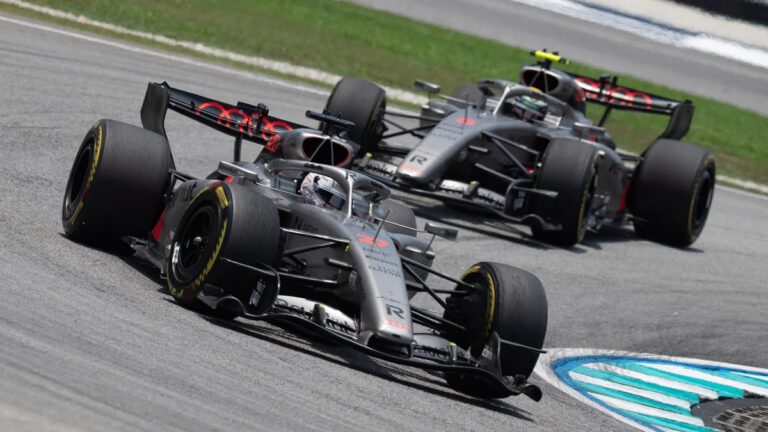
Red Bull driver Isack Hadjar calls for a ban on cooling vests in Formula 1, arguing they dilute the category’s physical challenge after recent heat-hit races in Southeast Asia.
His stance triggers renewed debate over health safeguards versus sporting purity, as governing protocols now allow vests only when race control declares a heat hazard.

Systems circulate cooled liquid through fireproof garments beneath suits, offering early relief. As laps pass, fluid temperature rises, diminishing effectiveness and leaving drivers with extra mass and cabling.
Cooling vests are only permitted when race control declares a heat hazard.
Hadjar frames the argument around identity. “I think it should be banned. Because it’s supposed to be tough,” he says, expanding on themes from Hadjar’s repeat plan earlier this month.
Team-mate Max Verstappen echoes skepticism, as outlined in Hadjar and Verstappen’s perspectives. He argues packaging compromises outweigh benefits and doubts the effect endures an entire grand prix.
Verstappen: “For me it’s not needed… I don’t need it.”
Under current protocols, teams may use vests only after race control issues a heat hazard, set out in FIA heat hazard declarations. Ballast neutralises any weight advantage or distribution change.
Even when allowed, adoption remains selective. Added plumbing, potential leaks, and cockpit packaging complicate operations, while energy management strategies already mitigate heat. That tension underpins F1’s cooling-vest challenge this season.

Recent Sepang conditions illustrate the stakes. Cockpit temperatures exceed 50C, compounding dehydration and cognitive load. Supporters say vests reduce heat stress and safeguard performance consistency in punishing stints.
Ballast offsets any potential weight advantage from wearing a cooling vest.
Opponents counter that conditioning, hydration planning, and car design should address heat without auxiliary devices, preserving F1’s physical identity and separating better-prepared drivers over long, attritional races.
The debate now sits with teams and regulators. With more hot-weather events scheduled, expect continued evaluation of reliability, fairness, and safety before any permanent rule change emerges.
Visual Summary
🔥
COOLING VEST
💬
💭
💭
Should
Formula 1 be THIS tough?
Red Bull’s Isack Hadjar wants cooling vests banned.
Some drivers demand raw endurance.
Others want tech to beat the heat.
>50°C
Cockpit heat
🔥
🔥
🏁🆚💡
Toughness
or
Technology?
or
Technology?
Debate
🔥🤔
🔥🤔
Drivers split over
cooling vests
cooling vests
🔥 Debate: Endure the Heat, or Level the Field?
Isack Hadjar (🚫🦺) and teammate Max Verstappen question if cooling vests make F1 too easy.
Should surviving heat stay part of the ultimate test?
Should surviving heat stay part of the ultimate test?

Daniel Miller reports on Formula 1 Grand Prix weekends with race-day analysis, team-radio highlights, and point-standings updates. He explains power-unit upgrades, aerodynamic developments, and driver rivalries in straightforward, SEO-friendly language for a global F1 audience.