

https://shop.fervogear.com/cart


FIA Warns of Singapore Heat Danger as Drivers Face Toughest Challenge

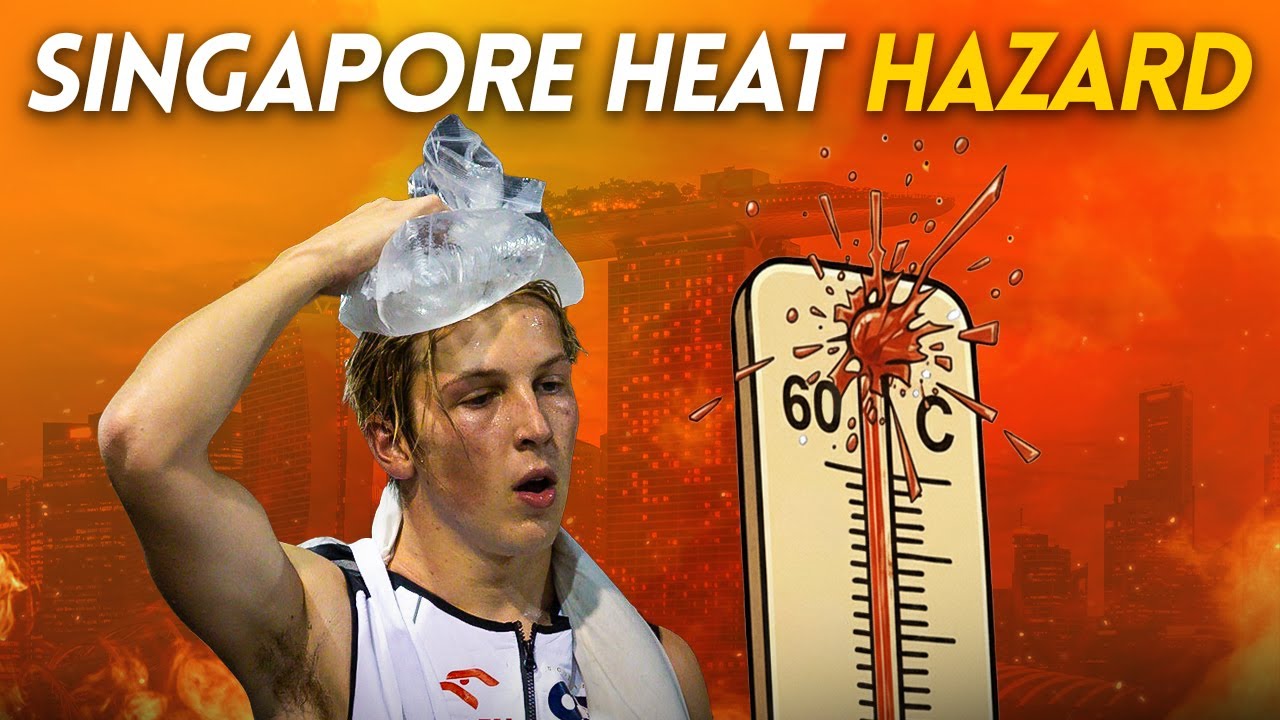
Highlights
- FIA declares heat hazard for 2026 Singapore Grand Prix weekend
- Mandatory driver cooling systems add 2-5kg during sessions
- Drivers refusing cooling vests must carry 0.5kg ballast
- Singapore’s heat index forecast exceeds FIA 31.0°C safety threshold
- Heat hazard also issued earlier this season in Austria and Italy
- Cooling measures introduced after extreme cockpit heat at 2023 Qatar GP
The FIA declares a heat hazard for this weekend’s Singapore Grand Prix, activating cooling mandates at Marina Bay. The Marina Bay circuit guide outlines unique demands teams must manage.
The ruling follows Article B1.5.10, triggered when the heat index exceeds 31.0°C. Based on the Singapore Grand Prix weather outlook, night sessions are set to breach that threshold.

FIA heat hazard triggers when the heat index forecast exceeds 31.0°C for any session.
Teams must run Driver Cooling Systems. Minimum weight rises by 2kg in practice and qualifying, and 5kg for the race. Drivers skipping vests must carry 0.5kg of ballast.
Driver Cooling Systems add 2kg in practice/qualifying and 5kg in the race.
Mercedes previously chose the ballast route in heat-affected rounds, citing reliability concerns over full-distance cooling systems and development priorities. That precedent could shape choices if reliability margins remain tight.
Singapore is among F1’s most physical tests. Night-time ambient often tops 30°C with 70–90% humidity, curbing sweat evaporation and focus. Drivers can lose three to four kilograms of fluid.
Drivers who refuse cooling vests must carry 0.5kg of cockpit ballast.
The cooling mandate follows 2023 Qatar, when cockpit temperatures exceeded 50°C, causing severe dehydration and retirements. That episode accelerated regulation to formalise cooling requirements.
This is not isolated to Singapore. The FIA also issued heat hazards in Austria and at Monza, while Sepang saw similar conditions pushing perceived temperatures toward 35°C.
Strategy now balances ballast and cooling efficacy against car performance. Tyre behaviour will be pivotal, as outlined in Singapore Grand Prix tyres, with degradation sensitive to added mass and heat.
Qualifying pace may dip with heavier cars, influencing track position and undercut viability. The build-up and Singapore start times will frame decisions on stint lengths and cooling deployment.
Expect a demanding contest under the lights, with thermal management central to reliability and execution. The regulations aim to safeguard drivers while preserving competitive integrity at Marina Bay.
Visual Summary
⚠ FIA HEAT HAZARD
33°
Singapore GP:
It’s not just the rivals… it’s the heat.
+5kg
Cooling System
Race Weight
Race Weight
🧊 Mandatory
Cooling
Or +0.5kg
cockpit vest ballast
cockpit vest ballast
3–4kg
driver sweat
loss per race
loss per race
🌡️ Up to 33°C & 90% humidity at night
Endurance, engineering, and safety—all pushed to the limit under the bright Singapore floodlights.

Daniel Miller reports on Formula 1 Grand Prix weekends with race-day analysis, team-radio highlights, and point-standings updates. He explains power-unit upgrades, aerodynamic developments, and driver rivalries in straightforward, SEO-friendly language for a global F1 audience.