https://shop.fervogear.com/cart


F1 Rivals Firmly Oppose Williams’ Cost Cap Reform Plan

Highlights
- Williams unlikely to secure enough support for 2027 cost cap changes.
- Proposal by James Vowles seen favorably by Alpine, Aston Martin, Audi, Cadillac.
- Haas and Racing Bulls oppose loosening capital expenditure rules.
- Mercedes boss Toto Wolff criticizes catch-up spending mechanism concept.
- Vowles plans to continue pushing reforms for the 2028 season.
Williams is unlikely to gather the six votes needed to alter Formula 1’s cost cap for 2027, with several rivals rejecting James Vowles’ catch-up capital expenditure proposal ahead of the next F1 Commission meeting.
The plan seeks extra headroom for smaller teams to invest in facilities and infrastructure. Under governance rules, 2027 changes require six of 11 teams to vote in favor, while 2028 revisions need only four.

Alpine, Aston Martin, Audi, and Cadillac back the concept, leaving Williams one short for 2027 approval. That final vote looks elusive, with Haas opposed and Racing Bulls also against the change.
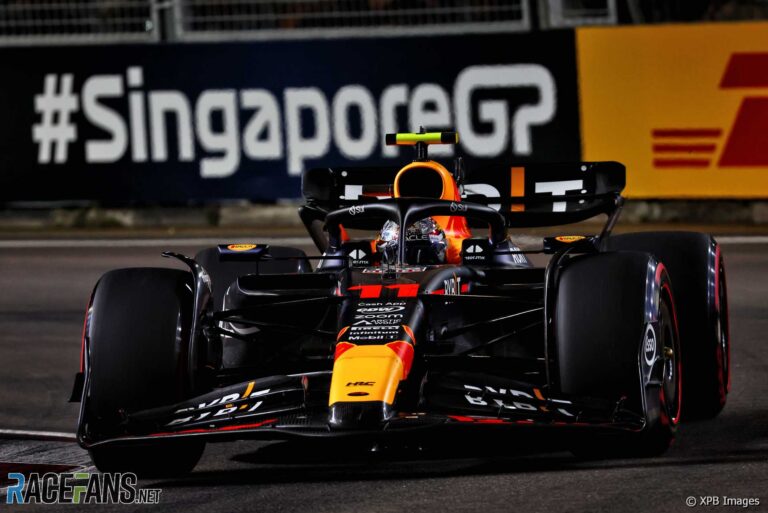
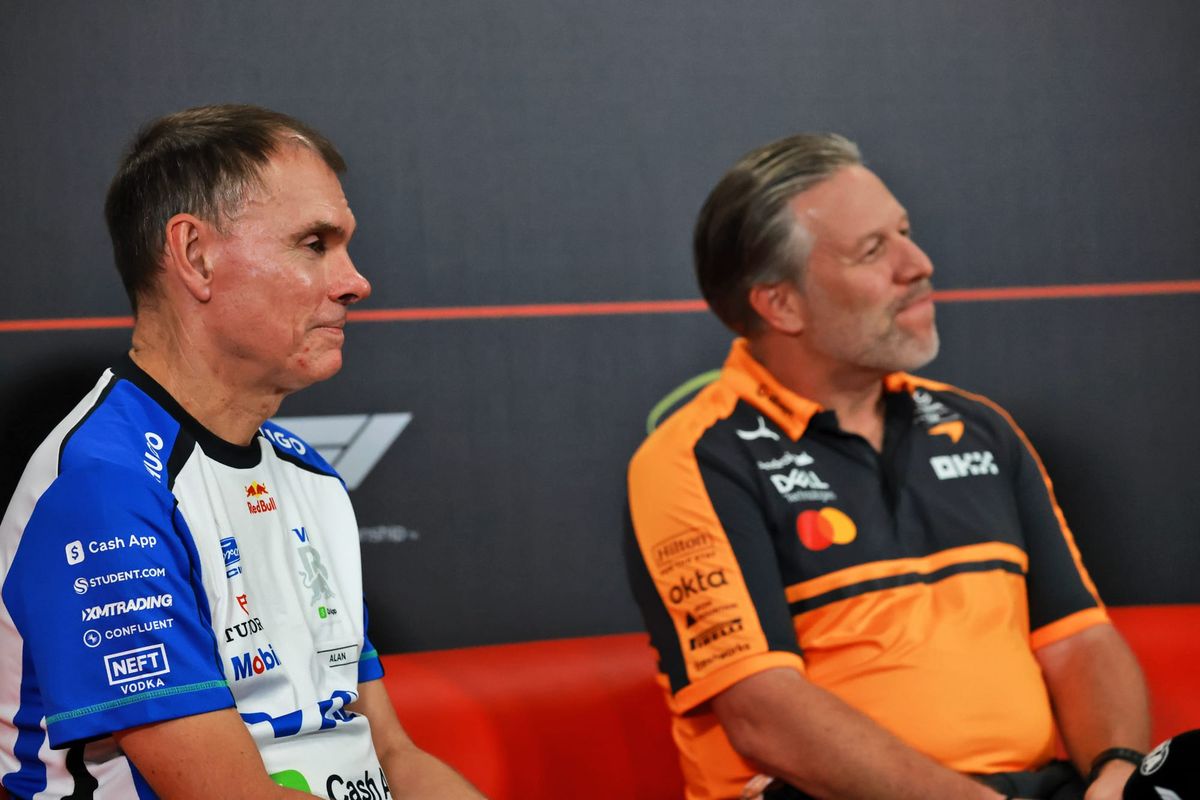
Racing Bulls team principal Alan Permane argued in Singapore that the current framework already offers sufficient flexibility for essential spending and has worked effectively since its introduction.
“I think it’s served Formula 1 very well,” said Alan Permane, opposing a larger upfront CapEx allowance.
Permane noted teams can undertake substantial capital projects provided costs are depreciated over time. He rejected moves that would permit materially higher upfront expenditure within the cap.
Front-running teams also resist loosening the CapEx rules, warning that broader limits could erode the gains in sustainability and competitive balance achieved under the existing system.
Haas and Racing Bulls opposing the proposal leaves Williams short of the sixth vote required for 2027.
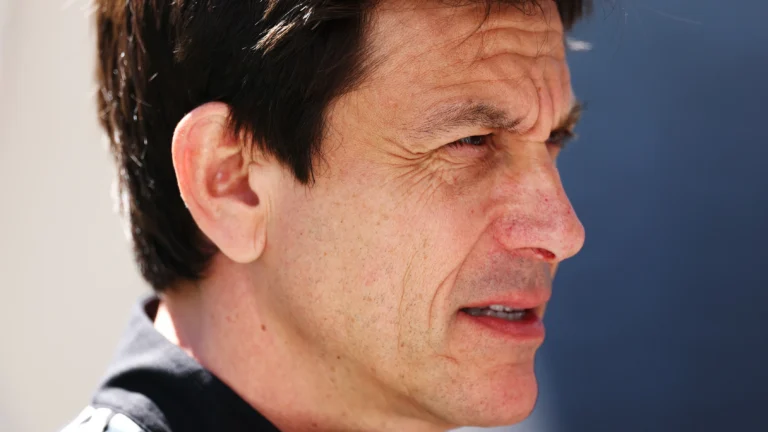
Mercedes’ Toto Wolff criticized any sliding-scale mechanism that aids underperforming teams, likening it to balance of performance, which he does not support.
Wolff remains open to targeted refinements, particularly around wages. He argues current restrictions depress salaries and risk pushing top talent toward higher-paying industries outside F1.
Wolff: sliding-scale “balance of performance” is unacceptable, but wage-related reforms deserve discussion.
He also highlighted how historic CapEx creates heavy depreciation within the cap, limiting present-day operational spend for teams that previously invested heavily, while others retain more headroom.
McLaren CEO Zak Brown prefers teams choose their own trade-offs between CapEx and car development. He cited last season’s close fight, with four teams taking wins and a fifth on pole, as evidence of a healthy competitive order.
Vowles accepts the 2027 path may be blocked but intends to pursue reform for 2028, when fewer votes are required. The debate sits alongside broader Williams Racing issues and intensifying two-tier F1 claims, while ongoing rule discussions also reflect drivers’ calls for changes to improve the sport’s landscape.
Visual Summary
Williams
Alpine
Aston
Audi
Cadillac
Alpine
Aston
Audi
Cadillac
🚥
PUSHING
PUSHING
⛔
1 Vote Short
Williams’ Cost Cap Push Stalls
“1 Vote from Change”
“1 Vote from Change”
Votes Needed
6
Current Support
5
Opposition
Haas, Racing Bulls,
Top Teams
Top Teams
Williams pushes for a cost cap break to help smaller teams invest, but falls one vote short as key rivals block the move. The drama now shifts to 2028.
⬆️
Upfront Growth vs Grid Fairness
F1’s tug-of-war triggers “Two-Tier” debate
⬇️
Upfront Growth vs Grid Fairness
F1’s tug-of-war triggers “Two-Tier” debate
⬇️
Next Vote: F1 Commission | If the grid stays split, Williams will try again for 2028 reforms.

Daniel Miller reports on Formula 1 Grand Prix weekends with race-day analysis, team-radio highlights, and point-standings updates. He explains power-unit upgrades, aerodynamic developments, and driver rivalries in straightforward, SEO-friendly language for a global F1 audience.