

https://shop.fervogear.com/cart


Ferrari Defies F1 Leaders as Rivals Gain Edge in Singapore

Highlights
- Ferrari introduced no car upgrades for the Singapore Grand Prix.
- McLaren, Mercedes, and Red Bull brought key aerodynamic and cooling updates.
- Only three of 11 teams declared upgrades for the Marina Bay race.
- Mercedes revised front wing and aerodynamic elements for better airflow control.
- Red Bull updated front wing and rear wheel bodywork for cooling.
- Singapore GP focuses on managing brake temperatures and aerodynamic efficiency.
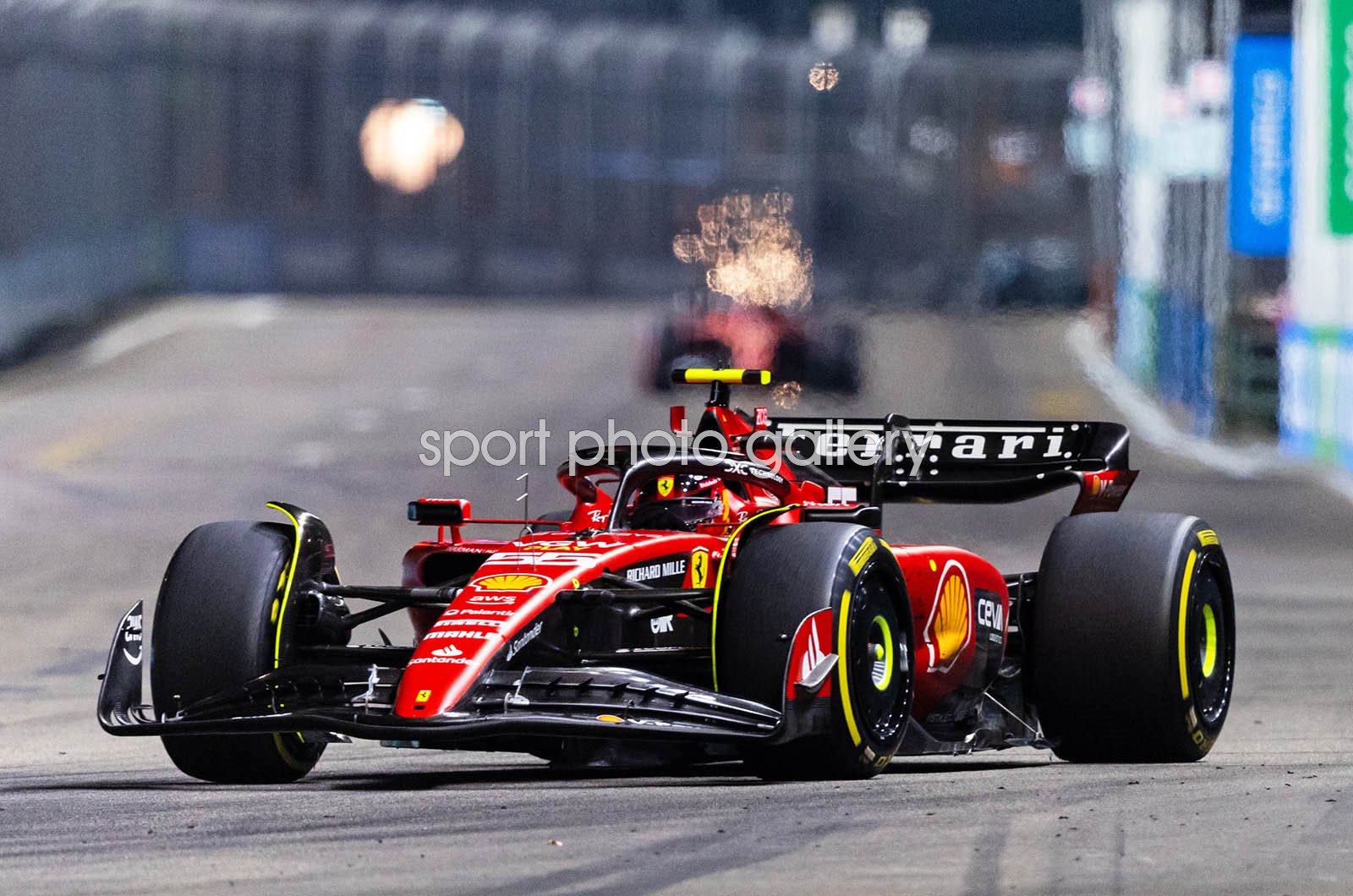
Ferrari will arrive in the Singapore Grand Prix without upgrades, diverging from McLaren, Mercedes, and Red Bull, which introduced changes for Marina Bay’s street race on October 11.
FIA submissions confirm only three of 11 teams declared updates, underlining a late-season slowdown as the title fight crystallises. Ferrari stands alone among frontrunners in holding a static package.

Only three of 11 teams declared upgrades for Singapore, per FIA filings.
McLaren targets cooling with a revised front brake duct, increasing mass flow to stabilise disc and pad temperatures. The change suits high-energy braking zones and heat soak seen in Singapore.
Mercedes reworks its front wing, adjusting chord distribution across three elements and adopting a two-element small flap. Endplate, footplate, and diveplane camber tweaks aim to tame tyre wake and balance.
Mercedes revises front wing architecture to better manage front-tyre wake and improve balance.
Red Bull’s front wing gains reshaped endplates and flaps to raise local downforce while preserving upstream stability. Enlarged rear wheel bodywork exit ducts boost cooling for Singapore’s heavy brake demands.
Seven teams report no changes beyond Ferrari: Williams, Racing Bulls, Aston Martin, Haas, Alpine, Audi, and Cadillac. That distribution illustrates divergent development paths as homologations tighten and budgets bite.
Marina Bay stresses thermal management and aerodynamic efficiency. Teams prioritise brake temperature control, consistent entry stability, and traction in slow corners, as outlined in our Singapore F1 challenge coverage.
Red Bull expands the rear wheel exit duct to enhance cooling flow for high brake energy.
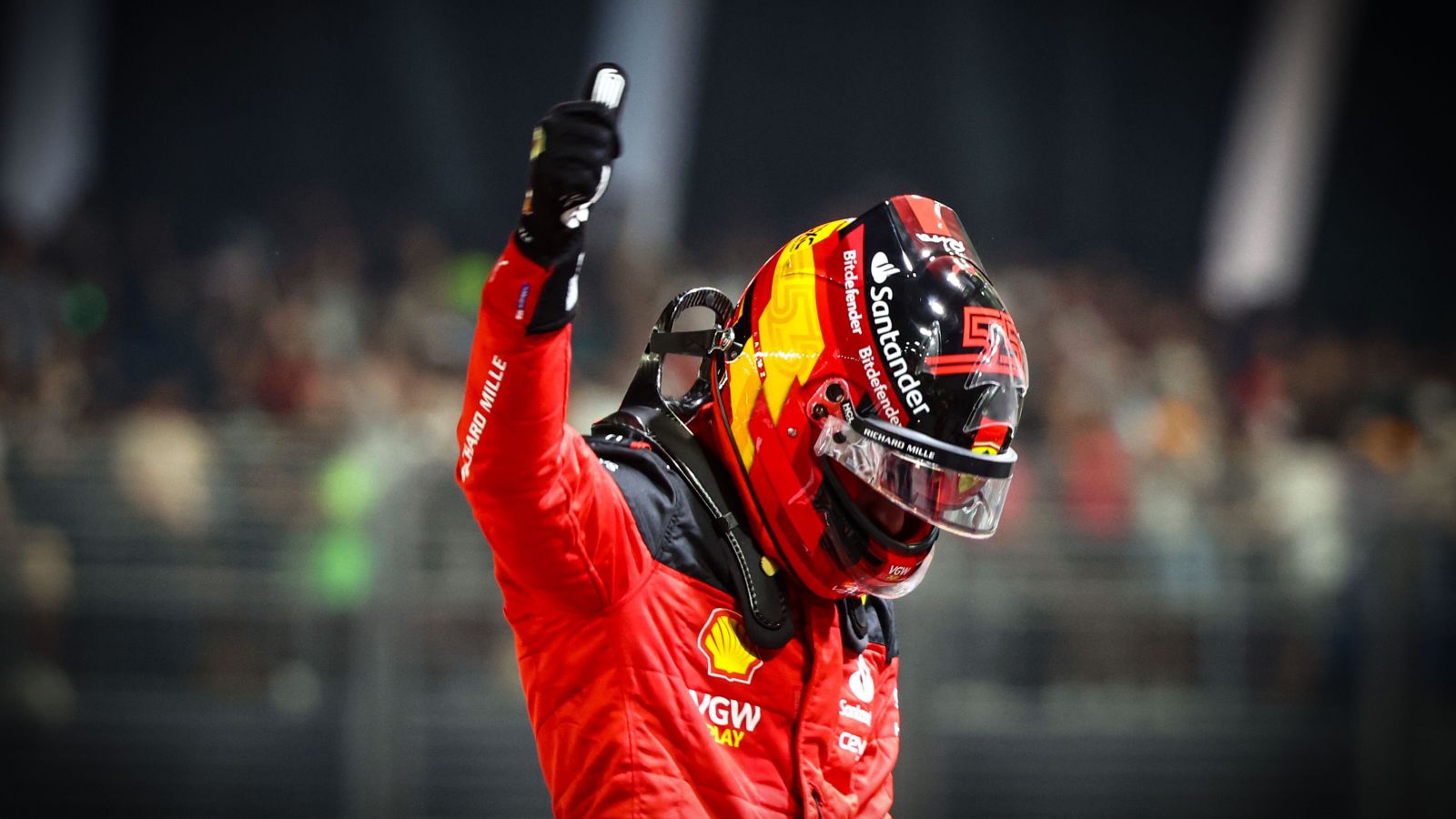
Ferrari’s restraint reflects a belief in its baseline and a desire to preserve resources for future events. Additional context emerges from Steiner’s Ferrari strategy, which emphasises targeted, circuit-specific deployment.
Performance focus now shifts to qualifying execution and tyre preparation. With lights out on October 11, the team’s approach faces scrutiny alongside rivals’ updates and Leclerc’s feedback on upgrade timing.
Visual Summary
⚠
FERRARI
NO UPGRADES
NO UPGRADES
🔧
⛳
💨
UPGRADE PUSH
8 teams unchanged • Standing still as others evolve
Ferrari: Holding Steady as Rivals Upgrade
Will Ferrari’s unchanged car outpace the newly-upgraded McLaren, Mercedes, and Red Bull
or fall behind as development races on?
or fall behind as development races on?
All eyes on Singapore – October 11

Daniel Miller reports on Formula 1 Grand Prix weekends with race-day analysis, team-radio highlights, and point-standings updates. He explains power-unit upgrades, aerodynamic developments, and driver rivalries in straightforward, SEO-friendly language for a global F1 audience.




