https://shop.fervogear.com/cart


Kimi Antonelli Exposes Heat Stroke Risk Stopping F1 Safety Gear Use

Highlights
- Kimi Antonelli will not use the cooling vest at Singapore GP
- He suffered heat stroke from vest malfunction at 2025 US GP
- Antonelli cites reliability concerns with vest’s water pump system
- Prefers physical training over vest for heat management now
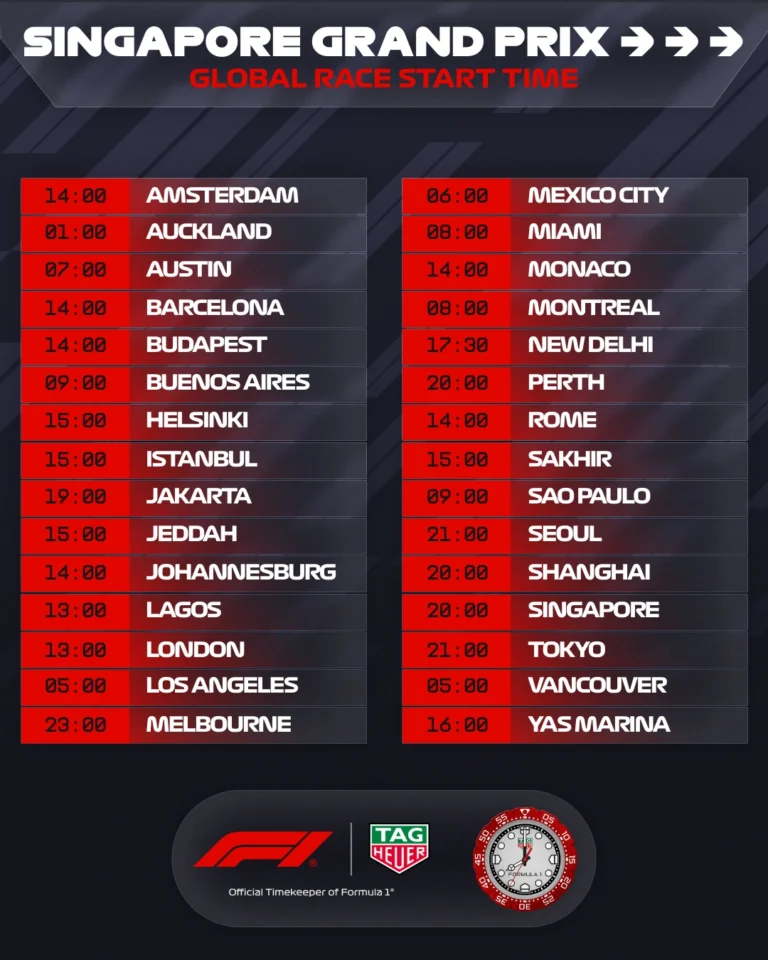
- Singapore GP scheduled for October 11, known for hot conditions
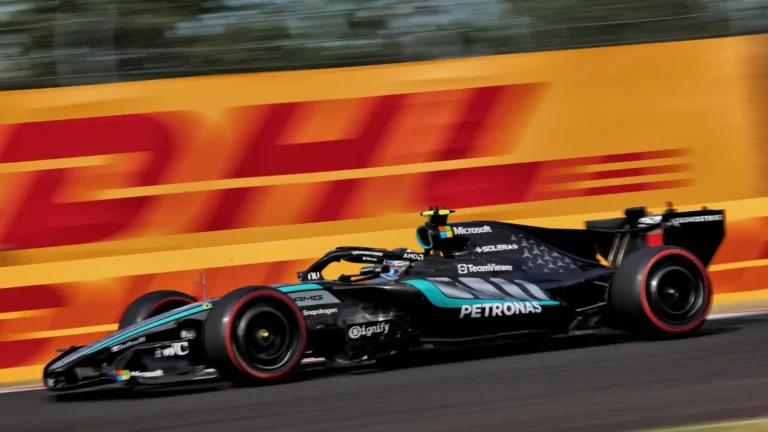
- Antonelli leads 2026 F1 championship driving for Mercedes
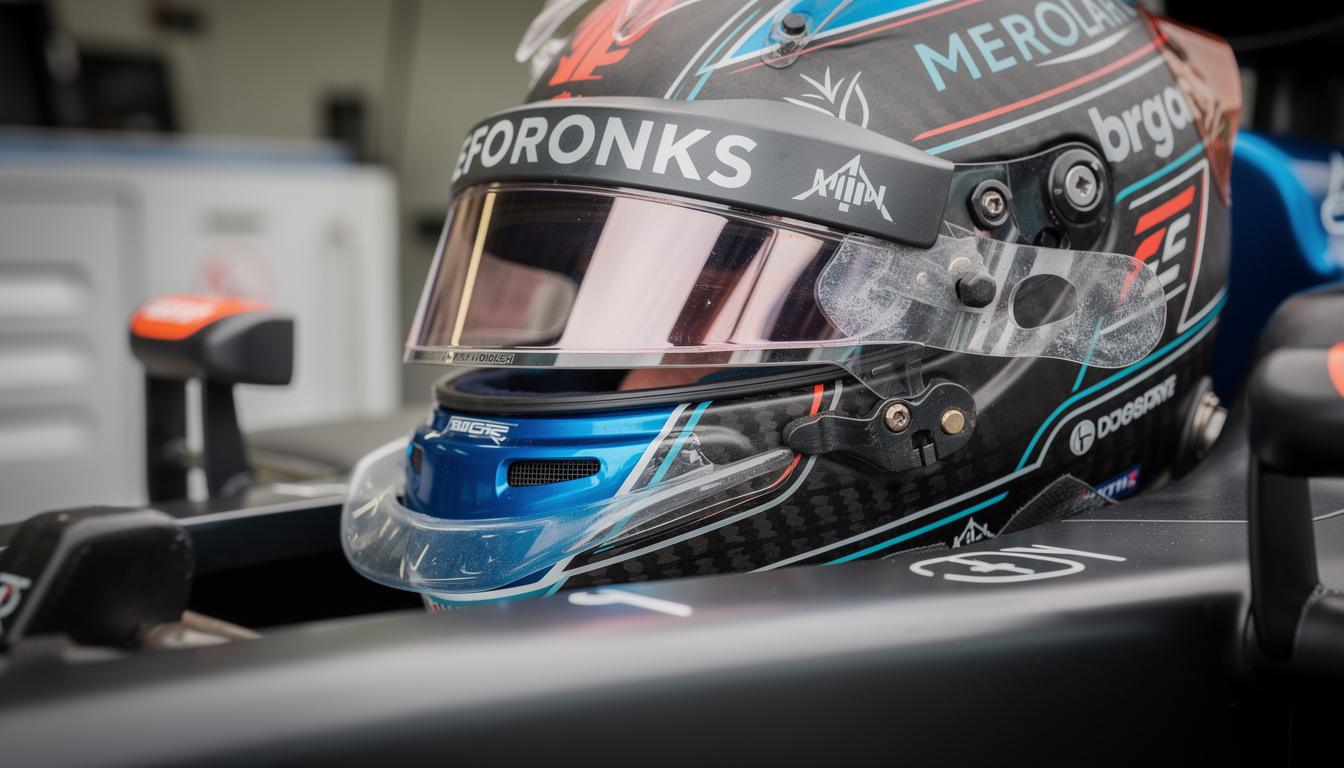
Kimi Antonelli will forgo the cooling vest for the Singapore Grand Prix on October 11, wary of reliability after last season’s failure triggered heat stroke. The decision comes ahead of Marina Bay’s punishing heat.
Singapore remains one of F1’s most demanding venues, with cockpit temperatures compounding driver load. Heat warnings have already appeared four times in 2026, underlining the risk profile for this event.

Central to Antonelli’s stance is the water pump system. A 2025 Austin sprint qualifying malfunction circulated hot water, exacerbating heat stress. That experience eroded trust in a device meant to protect drivers.
Antonelli’s view aligns with a wider paddock split on the concept. As explored in the F1 cooling vest challenge, some drivers welcome the aid, while others see unacceptable failure modes under race stress.
Antonelli rejects the cooling vest for Singapore after a 2025 pump failure led to heat stroke in Austin.
He has not ruled out future use if reliability improves. For now, the Mercedes driver prioritizes conditioning and heat acclimation over an auxiliary system that could backfire if it fails.
His caution also reflects broader equipment scrutiny around Mercedes. Issues traced to kit consistency last season fed confidence concerns, as noted in analysis of Antonelli’s Mercedes flaw.
The core risk is a pump sending hot water mid-race, intensifying heat load instead of relieving it.
Regulatory and safety discussions continue, with some calls to restrict or ban such devices. That debate has included Hadjar’s push to ban cooling vests, reflecting unease over unintended consequences.
Antonelli leads the 2026 championship, so risk appetite is necessarily conservative. Minimizing controllable variables suits a title campaign built on execution, especially at circuits that punish mistakes.
Championship leader Antonelli favors training and heat protocols over technology he does not fully trust.
Marina Bay’s stop-start layout, frequent safety cars, and heavy braking zones stretch concentration and hydration strategies. In such conditions, thermal management can decide tyre life and pace retention.
Beyond Singapore, the calendar moves to the United States, Mexico City, Brazil, Las Vegas, Qatar, and Abu Dhabi. Teams will keep iterating safety aids to balance effectiveness and reliability under extreme loads.
Visual Summary
🌡️
Kimi Antonelli
CHOSES NO VEST for Singapore Heat!
⚠️
2025 Austin Sprint: Hot-water FAIL → Heatstroke!
Antonelli suffered a severe heat stroke after cooling vest malfunction, making him lose trust in the device.
2025 Austin Sprint: Hot-water FAIL → Heatstroke!
Antonelli suffered a severe heat stroke after cooling vest malfunction, making him lose trust in the device.
Antonelli
💧💧
No vest.
No backup.
Just intense training & willpower against the Singaporean heat.
⚡ Heat Warnings in 2026:
#4
The cooling vest debate divides the F1 grid: some risk the tech, others—like Antonelli—prioritize resilience.
Reliability worries now spark calls for regulation, as teams race to find safer ways to beat the heat.
Reliability worries now spark calls for regulation, as teams race to find safer ways to beat the heat.
Singapore → Austin → Mexico City → Brazil → Las Vegas → Qatar → Abu Dhabi
Each race, a new endurance test.
Each race, a new endurance test.

Daniel Miller reports on Formula 1 Grand Prix weekends with race-day analysis, team-radio highlights, and point-standings updates. He explains power-unit upgrades, aerodynamic developments, and driver rivalries in straightforward, SEO-friendly language for a global F1 audience.