

https://shop.fervogear.com/cart


Cadillac’s F1 Brake Issues Force Early Lift and Coast on Lap Two

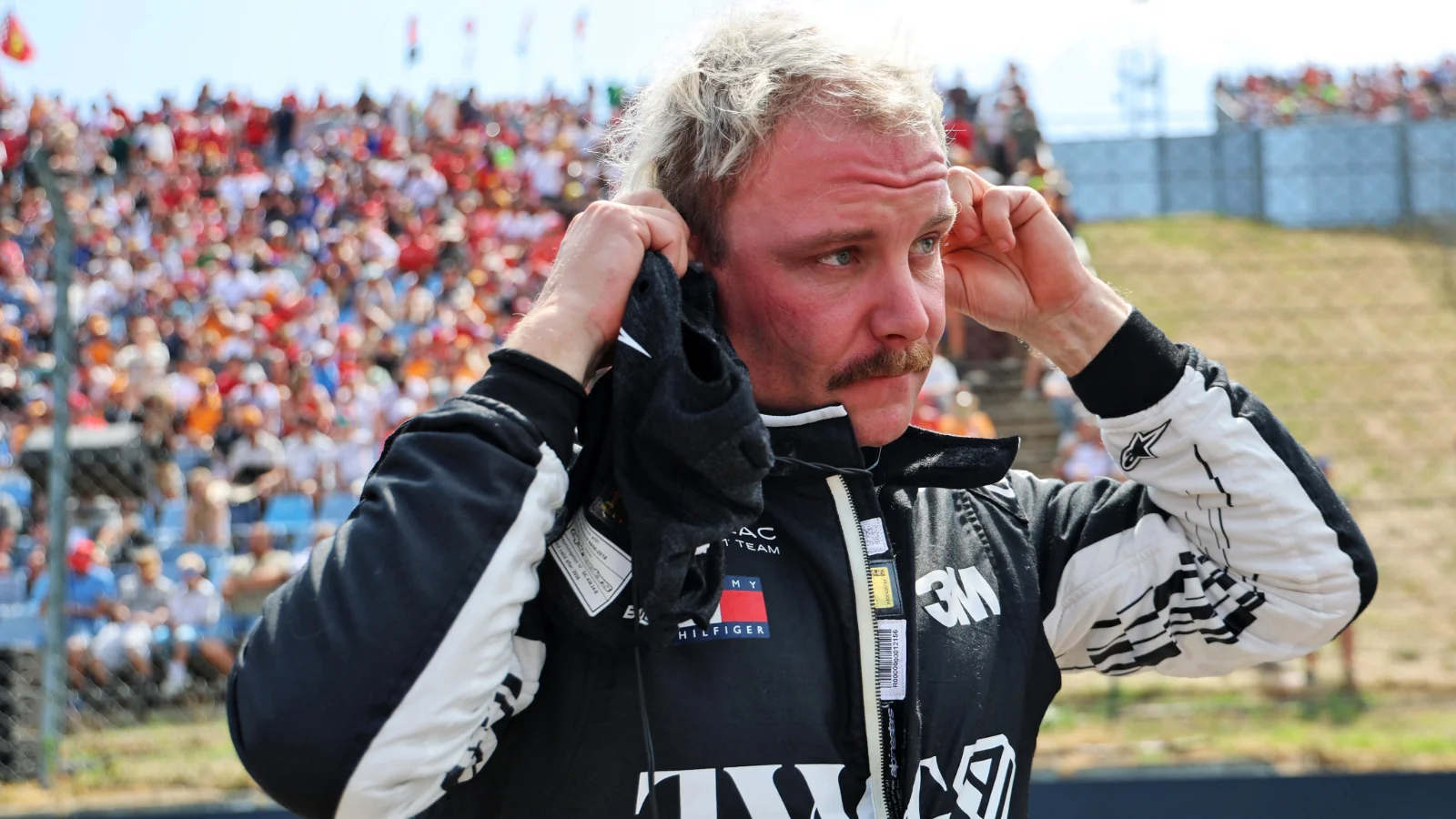
Highlights
- Bottas faced persistent brake overheating issues at Singapore GP
- Brake upgrades cut temperatures by 100 degrees after Azerbaijan
- Bottas finished 96 seconds behind teammate Perez at Singapore
- Perez highlighted solid pace despite finishing 48 seconds behind Alonso
- Cadillac aims for first points and top-10 in six races
- Team expects 2027 car design to better address brake issues
Valtteri Bottas again confronts Cadillac’s persistent brake overheating at the Singapore Grand Prix, forcing early management and exposing limits in the MAC-26 package despite mid-season updates.
By lap two he resorts to lift-and-coast to curb temperatures, continuing a season-long trend that already caused four retirements through brake-related failures.

Upgrades in Hungary and Azerbaijan help, as seen during Perez’s Baku weekend, with post-Baku hardware cutting peak temperatures by around 100C, yet Marina Bay still exposes weaknesses.
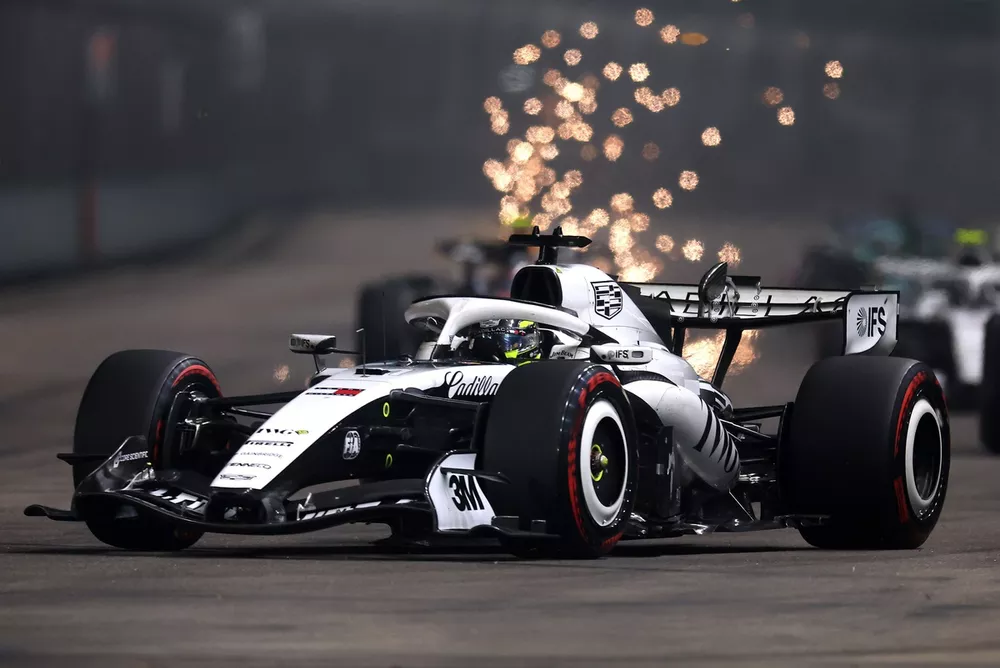
Bottas began lift-and-coast by lap two to control brake temperatures.
Bottas insists the issue is almost solved, though he expects Cadillac’s 2027 design to address brake thermal capacity and cooling architecture more decisively.
Performance suffers regardless. Bottas finishes 96 seconds behind Sergio Perez, averaging roughly 1.6s per lap slower, citing poor ride quality and setup trade-offs through Singapore’s bumps.
Four retirements in 2026 trace to brake issues on the MAC-26.
Perez offers a counterpoint, praising solid pace and clean operations despite finishing 48 seconds behind Fernando Alonso, echoing the team’s view in his performance in Singapore review.
Singapore is punishing on brakes, with limited cooling and repeated heavy stops. Many teams manage the risk; Cadillac still operates with narrower temperature headroom than ideal.
Post-Baku hardware cut brake temps by around 100C, but Singapore still exposed vulnerabilities.
The team’s technical brief on recent Cadillac F1 brake fixes outlines the direction, yet the Singapore data suggests further duct, disc, and friction optimization is needed.
Bottas expects a difficult United States Grand Prix, but targets cleaner management and improved ride to stabilise stint pace and reduce the thermal spikes.
Cadillac targets first points and a top-10 in the remaining six races.
Cadillac has six races to chase its first points and a top-10. Execution, brake reliability, and incremental aero-mechanical gains will define that push.
Longer term, the 2027 car offers a clean-sheet chance to rebalance cooling, weight distribution, and packaging, complementing recent Cadillac F1 team signings aimed at strengthening development capacity.
Visual Summary
Cadillac Brakes Still Overheating 🔥
Bottas Forced to Back Off Again!
Bottas Forced to Back Off Again!
+100°C
Hotter brake temps before upgrades
Hotter brake temps before upgrades
4 DNFs
Retirements
from brake failure
Retirements
from brake failure
⏱️ -1.6s/lap
Avg. deficit to Perez
in Singapore
Avg. deficit to Perez
in Singapore
96s gap
Behind Perez at finish
Behind Perez at finish
👌 “Almost Solved”
⏩ Upgrades cooled the brakes by 100°C but Singapore’s tough streets exposed the last flaws.
Bottas was forced to slow down by lap 2. His struggle continues—confused, frustrated, behind.
Perez finds hope: “We’re not far off – more to come!”
Bottas was forced to slow down by lap 2. His struggle continues—confused, frustrated, behind.
Perez finds hope: “We’re not far off – more to come!”
Cadillac’s brakes still not cool enough — Bottas slowing, but hope for better days.

Daniel Miller reports on Formula 1 Grand Prix weekends with race-day analysis, team-radio highlights, and point-standings updates. He explains power-unit upgrades, aerodynamic developments, and driver rivalries in straightforward, SEO-friendly language for a global F1 audience.




