

https://shop.fervogear.com/cart


Williams Boss’s Bold Rule Change Plan Blocked by Rival Team

Highlights
- James Vowles proposes sliding scale for F1 cost cap spending.
- Current 2026 cost cap set at $215 million USD per team.
- Sliding scale aims to help smaller teams spend more.
- Four teams support, four oppose; two crucial votes remain uncertain.
- F1 Commission to vote on proposal in November 2024.
- Proposal likely to be reconsidered in 2028 if it fails now.
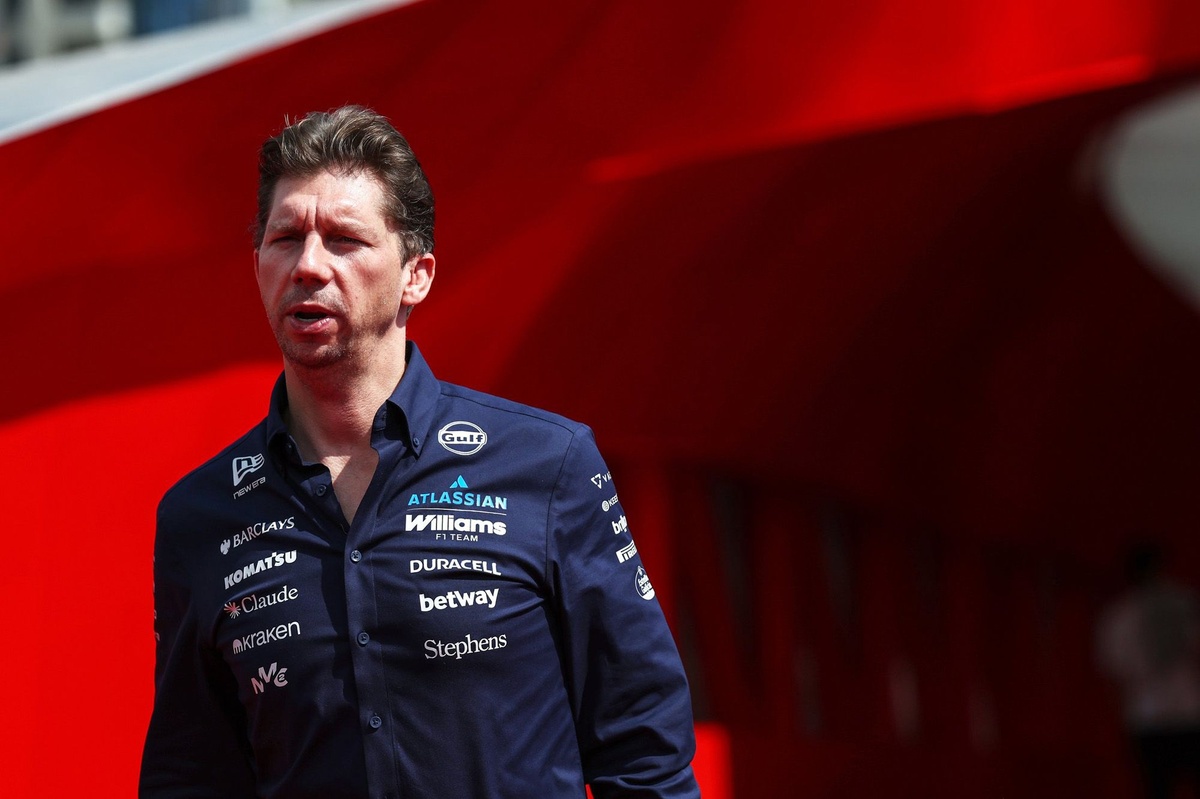
Williams team principal James Vowles pushes a reform of Formula 1’s cost cap, but rival teams resist ahead of an expected November vote at the F1 Commission.
The 2026 cap is set at $215 million, with Vowles proposing a sliding scale that gives lower-ranked teams greater spending headroom than the established frontrunners.

The intention is to compress the competitive order, mirroring the sport’s aerodynamic testing sliding scale that already rewards teams further down the standings.

Vowles targets a 2027 introduction to give teams a runway before the next major rules cycle likely around 2030–31, echoing the sport’s incremental change philosophy.
Two governance routes exist: enact changes next year with support from six of 11 teams, or defer to 2028 when only four votes are required under the regulations.
Vowles’ plan mirrors F1’s ATR model: lower-ranked teams receive more resource, this time via budget headroom rather than wind tunnel hours.
Early soundings indicate four in favor—Alpine, Aston Martin, Audi, and Cadillac—and four against—McLaren, Mercedes, Ferrari, and Red Bull.
Haas and Racing Bulls are pivotal. Haas is understood to be unsupportive, while Racing Bulls often align with Red Bull, though Vowles still hopes to sway them.
The arithmetic looks tight: six votes are needed for early adoption, and the current split leaves the proposal short.
Racing Bulls’ Alan Permane rejects the revision, arguing the aerodynamic rules already provide catch-up mechanisms and warning against authorizing materially higher spend.
He adds that teams can already manage large capital projects by spreading investment across multiple seasons, preserving cost control while enabling growth.
With Haas and Racing Bulls unconvinced, the numbers point to the proposal falling short this time, despite Vowles’ push for earlier implementation and data gathering.
If delayed to 2028, only four votes are needed—Vowles prefers earlier change to understand impacts sooner.
Vowles also argues that Red Bull could view a sliding scale pragmatically, as Racing Bulls might benefit from extra investment and a healthier competitive spread.
The broader debate centers on balancing competitive equity with financial governance, as teams assess whether budget differentials risk undermining cost cap stability.
Williams’ position reflects mounting pressures, underlined by recent analysis of its financial losses in F1 and the need for sustainable performance gains.
The team’s priorities for next season also include averting setbacks identified in coverage of efforts to avoid a 2026 disaster, alongside scrutiny of management decisions and ongoing legal matters.
Vowles’ stance aligns with concerns previously flagged around operational bottlenecks and strategy, explored in recent reporting on Williams’ internal issues.
For now, the status quo remains. The November F1 Commission meeting will determine whether the sliding-scale concept advances or waits for a more favorable 2028 pathway.
Visual Summary
🧑🔧
Williams & Smaller Teams
Want: Sliding Budget
Want: Sliding Budget
$215M
Cost Cap
🏎️
Top Teams
Blocking Change
Blocking Change
Williams Pushes for Sliding Cost Cap, Faces Tight Opposition
Supporting
🔵 Alpine
🟣 Aston
🟠 Audi
🟥 Cadillac
Key Swing
⚪ Haas
⚪ Racing Bulls
Against
🔴 Red Bull
🟡 Mercedes
⚫ Ferrari
🟠 McLaren
Votes Needed: 6 of 11
Only 4 in favor – proposal likely to stall this year
Williams’ bold plan to level F1’s budget battle is stuck in gridlock.
James Vowles wants a sliding cap to help smaller teams catch up—but rival squads are digging in their heels. With swing votes resisting, the rules remain locked for now. Formula 1’s financial tug-of-war looks set to continue into 2028 and beyond.
Williams continues to face team challenges and financial pressure as 2026 approaches.

Daniel Miller reports on Formula 1 Grand Prix weekends with race-day analysis, team-radio highlights, and point-standings updates. He explains power-unit upgrades, aerodynamic developments, and driver rivalries in straightforward, SEO-friendly language for a global F1 audience.




