

https://shop.fervogear.com/cart


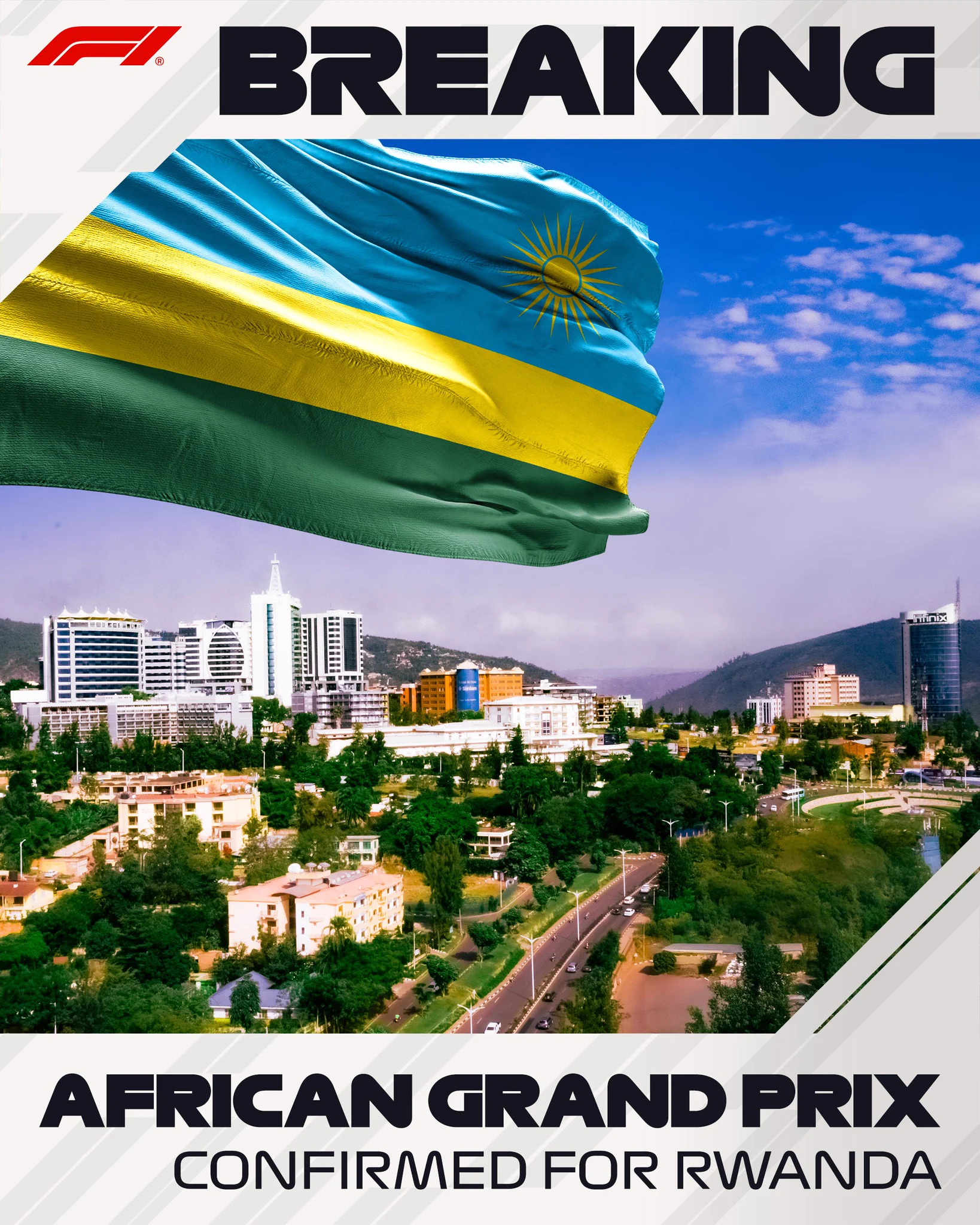
F1 Makes Exciting Comeback in Africa with New 10-Year Rwanda Race Deal

Highlights
- Formula 1 returns to Africa after 30 years with Rwanda race
- 10-year deal signed to host African Grand Prix in Bugesera
- New circuit will meet FIA Grade 1 standards
- Race aims to boost tourism, jobs, and economic growth
- Inaugural Grand Prix planned for early 2030s
- FIA and F1 collaborate closely to ensure high standards
Formula 1 returns to Africa, signing a 10‑year deal for an African Grand Prix in Rwanda. The inaugural race is targeted for the early 2030s at Bugesera, south of Kigali.
A new Bugesera circuit will pursue FIA Grade 1 homologation, enabling F1. The layout will exploit natural elevation to challenge drivers while delivering strong sightlines and modern safety infrastructure.

The development sits within a wider Rwanda Development Board programme, targeting sports, tourism, and commercial growth. The venue design also prioritises fan experience, transport links, and operational flexibility.
Beyond F1, the facility will stage international motorsport, conferences, and entertainment year‑round. That multi‑use model is intended to underpin investment, job creation, and stable operating revenues.
A 10‑year agreement puts F1 on every inhabited continent for the first time.
FIA oversight will be central. Grade 1 approval demands stringent safety, medical, and operational standards, requiring coordination between the FIA, Formula 1, and Rwanda’s delivery partners through design and construction.
President Paul Kagame frames the project as opportunity for engineers, technicians, entrepreneurs, and drivers. He says the race can build lasting skills, jobs, and tourism, underscored by the government response.
FIA President Mohammed Ben Sulayem calls the championship’s African return historic. He commits to working with F1 and local partners to ensure compliance and deliverability at international standards.
Formula 1 CEO Stefano Domenicali emphasises the long‑term vision behind the agreement. He credits Rwanda’s leadership and project backers for accelerating preparations and aligning the venue with modern calendar requirements.
Inaugural African Grand Prix in Rwanda is targeted for the early 2030s.
Commercial logic is evident. More than 100 million fans follow F1 across Africa, and key Sub‑Saharan audiences are young, with roughly 60% under 35 in priority markets.
Africa’s F1 audience exceeds 100 million, with 60% under 35 in key markets.
This ends a 1993‑to‑present absence, when F1 last raced at Kyalami. Momentum around the return to Africa complements continuing discussions about South Africa’s prospects and potential calendar fit.
Specific race dates, circuit detailing, and event programming will follow as construction milestones are confirmed. The priority now is design finalisation, permitting, and building to secure Grade 1 sign‑off.
If delivered as planned, Rwanda’s race broadens F1’s competitive and commercial landscape, adds geographic diversity, and creates a new venue type shaped by terrain rather than street‑race constraints.
Visual Summary
🏁
F1 RETURNS
TO AFRICA
TO AFRICA
Rwanda to host first African Grand Prix since 1993.
10-year deal. Brand new circuit. A new era begins.
10-year deal. Brand new circuit. A new era begins.
First time ever:
F1 on every inhabited continent
F1 on every inhabited continent
🌏
🌍
All eyes on Rwanda 🇷🇼
10 Years
Guaranteed African Grand Prix races (starting early 2030s)
100+ Million
African F1 fans (60% under 35)
Bugesera Circuit
Brand new FIA Grade 1 track, hills + open views
“A chance for a generation to dream bigger. Africa is on the grid.”
Track plans ➡️ Jobs ➡️ Tourism ➡️ Future drivers
It’s not just a race.
It’s a movement.
It’s not just a race.
It’s a movement.

Daniel Miller reports on Formula 1 Grand Prix weekends with race-day analysis, team-radio highlights, and point-standings updates. He explains power-unit upgrades, aerodynamic developments, and driver rivalries in straightforward, SEO-friendly language for a global F1 audience.




