

https://shop.fervogear.com/cart


Christian Horner Opens Up About Feeling Hurt After Losing Key Red Bull Role

Highlights
- Christian Horner left Red Bull months before DM-01 engine debut.
- Red Bull’s RBPT project started in 2021, launching own power units.
- DM-01 engine won first pole and Grand Prix at Malaysian GP.
- Horner felt “hurt and robbed” missing engine’s race milestone.
- Red Bull grew from 400 to over 2,200 staff under Horner.
- Red Bull became full power unit manufacturer partnering with Ford.
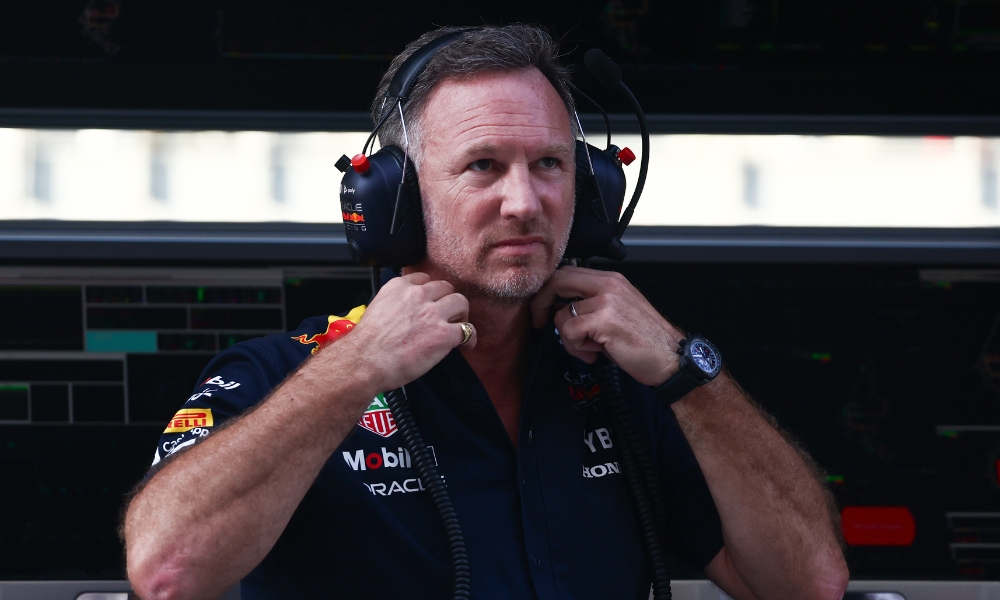
Christian Horner says he feels “hurt and robbed” after leaving Red Bull in July 2025, months before the team’s first in-house engine reached the track for 2026.
The Red Bull Powertrains programme begins in 2021, initially maintaining Honda units before pivoting to become a full manufacturer from 2026 through a technical alliance with Ford.

That effort produces the DM-01, which runs ahead of the season and swiftly delivers a first pole and victory at the Malaysian Grand Prix with Max Verstappen.
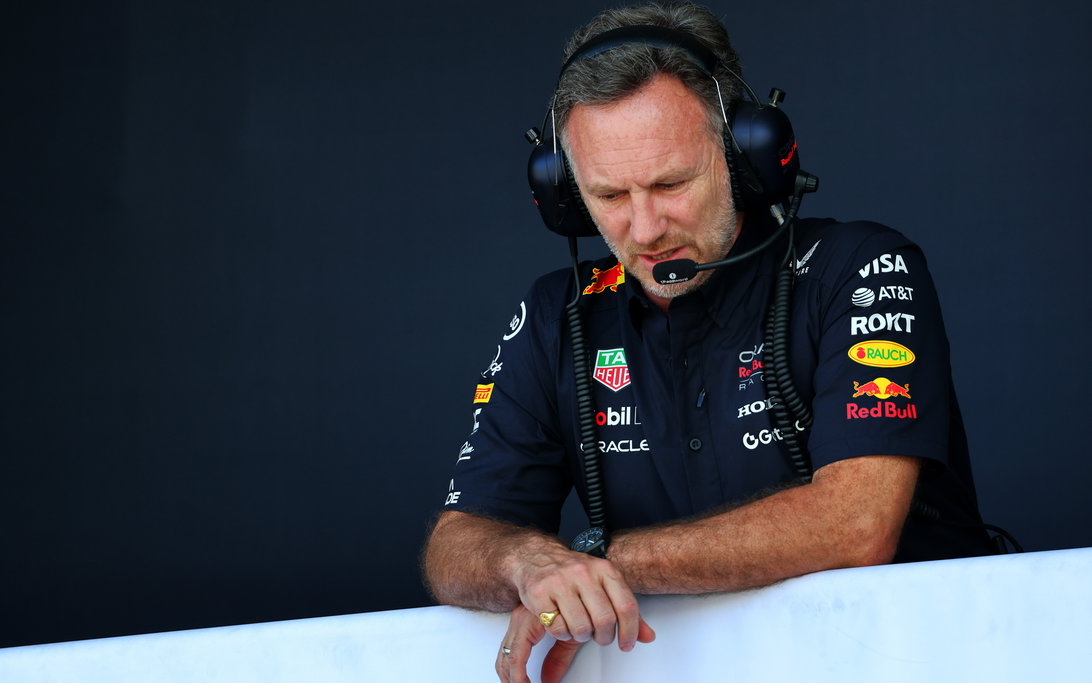
Horner is central to the decision to build a power unit, having overseen Red Bull’s expansion from fewer than 400 to more than 2,200 employees.
Context from his past Red Bull tenure highlights sustained growth across technical and operations departments.
Red Bull’s workforce expands from under 400 to over 2,200 during Horner’s tenure.
That scale-up reshapes the team’s identity, shifting from disruptive challenger to vertically integrated operation. It also raises governance demands amid ongoing warning signs for Red Bull F1 discussed this season.
The 2026 power unit rules remove the MGU-H, increase electrical deployment, and mandate sustainable fuels under a dedicated cost cap. Integration speed therefore becomes a decisive competitive differentiator.
Ford’s involvement supplies additional know-how and validation while Red Bull controls architecture, packaging, and calibration. That balance supports quick decision-making across chassis and power unit groups.
Early success indicates the RBPT learning curve is steep. Close coupling of energy management with aero efficiency suits Verstappen’s precision, turning integration into laptime as processes mature.
DM-01 takes pole and victory at the Malaysian Grand Prix with Verstappen.
Leadership churn can blur accountability on programmes spanning multiple seasons. Horner’s exit disrupts continuity, though foundations remain strong, and details of his exit payout later underline the scale of change.
Internally, the DM-01’s first win is treated as a landmark. A Powertrains representative stands on the podium, while Horner exchanges messages with Verstappen acknowledging the significance.
Financially, Red Bull’s momentum continues, with recent profits reinforcing the investment case behind vertical integration and a long-term power unit footprint in Milton Keynes.
Red Bull becomes a full power unit manufacturer from 2026 through a technical partnership with Ford.
The competitive test now is breadth. Reliability, energy deployment, and thermal management must hold across circuit types while rivals iterate under the same regulatory and cost-cap constraints.
Horner’s frustration reflects the personal cost of long-term projects intersecting with leadership change. The RBPT milestone nonetheless validates Red Bull’s strategic bet on capability, culture, and control.
Visual Summary
🥇
RBPT
“Hurt and Robbed” — Horner Misses Red Bull’s Homegrown Engine Triumph
July 2025: Horner OUT
Oct 2026: RBPT Engine Wins On Debut
Oct 2026: RBPT Engine Wins On Debut
2021
RBPT Project Begins
2025
Horner Exit
2026
First RBPT Pole/WIN 🇲🇾
“Proud, but it hurts to watch from outside.”
+1800 Staff
Growth under Horner
from 400 to 2,200
from 400 to 2,200
Red Bull: From soft drinks
to engine kings
⚡🔧🏁
to engine kings
⚡🔧🏁
2026: RBPT & Ford power, new F1 era begins.

Daniel Miller reports on Formula 1 Grand Prix weekends with race-day analysis, team-radio highlights, and point-standings updates. He explains power-unit upgrades, aerodynamic developments, and driver rivalries in straightforward, SEO-friendly language for a global F1 audience.




