https://shop.fervogear.com/cart


F1 Drivers Face Critical ‘Ballooned’ Issue Impacting Grand Prix Races

Highlights
- 2026 F1 season sees tyre ballooning affecting race strategies.
- Soft tyres lasted nearly entire Singapore GP with low degradation.
- Pirelli raised rear tyre pressures to handle new car downforce.
- Williams praised for best cooling suit performance in 2026 season.
- Straight mode aero failure risks cause added tyre pressure increase.
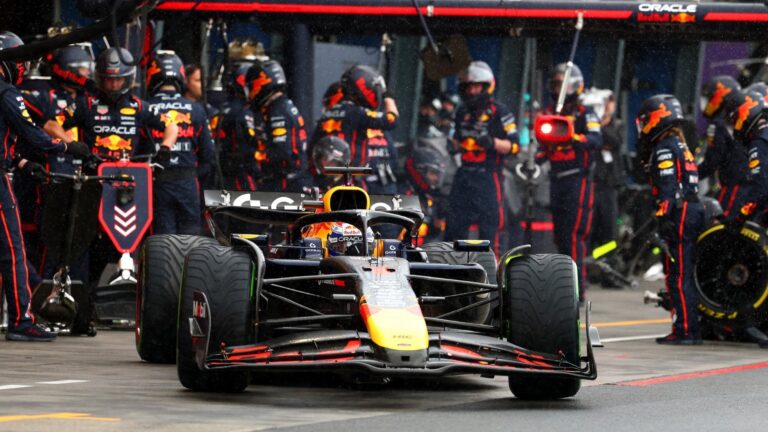
- Drivers must adapt pit stops due to changing tyre longevity.
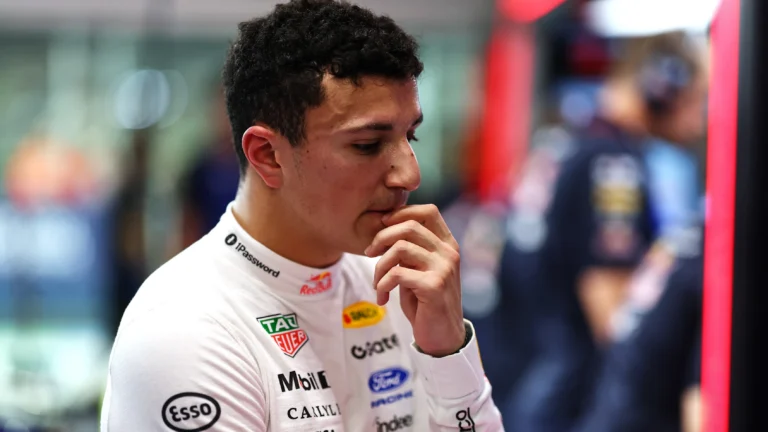
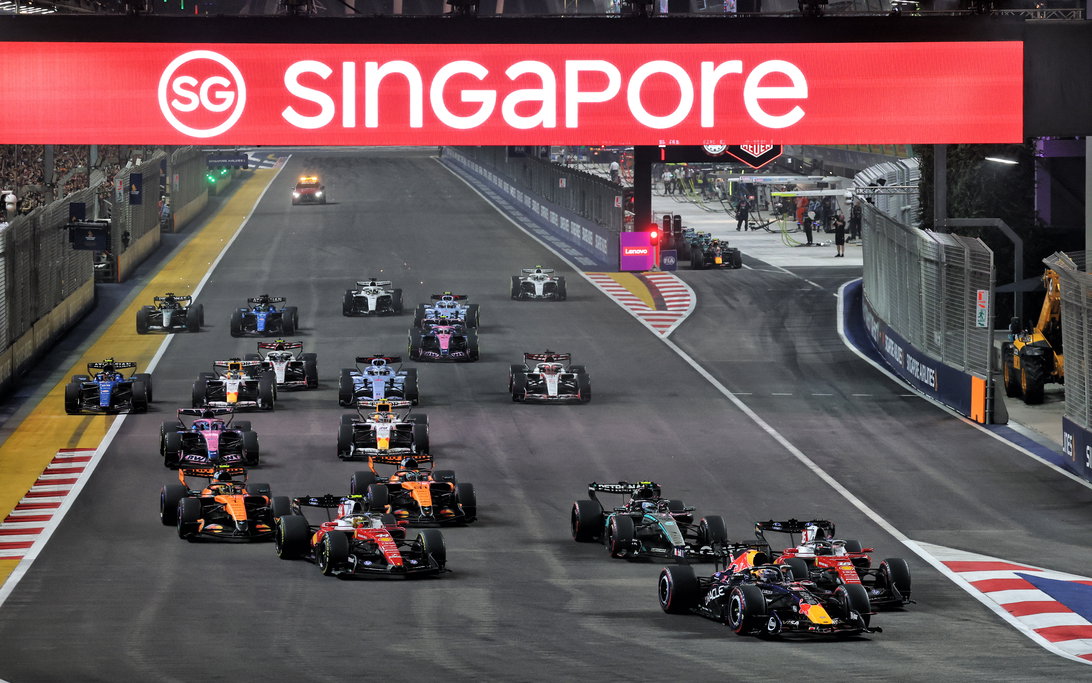
F1 drivers face tyre ballooning in 2026, reshaping strategy and stint lengths. The phenomenon appears across multiple grands prix. Alex Albon outlined the effects after the Singapore Grand Prix.
Pirelli supplied C5 soft, C4 medium, and C3 hard in Singapore. The hard proved largely redundant in the Sprint format. Softs showed minimal degradation, prompting early switches from planned medium stints.

Some drivers nearly completed the race on softs. Albon and Lewis Hamilton pivoted strategy accordingly. Hamilton later suffered sharp drop-off after 44 laps on used softs, highlighting conditions-based variability.
Several drivers ran near-race-length soft stints in Singapore with minimal degradation.
The root cause lies with higher mandatory rear pressures. Pirelli raised thresholds for 2026 to cover underestimated downforce from the new cars and the added complexity of straight-mode aero.
Straight mode trims drag on long straights. If it fails, rear tyres endure extra load and temperature. To hedge against that risk, pressures increased, inflating carcasses and reducing wear.
Albon said the soft felt “almost like a hard.” “The soft tyre was very good, almost too good,” he noted. “It could do a lot of laps consistently.”
Pirelli raised rear tyre pressures to mitigate underestimated 2026 downforce and straight-mode failure risks.
He questioned whether straight mode is worth the operational risk. Teams now treat pit windows as elastic, monitoring carcass temperature, brake energy, and out-lap stress more than nominal compound deltas.
Williams found gains elsewhere. Albon hailed the team’s cooling suit as the grid’s benchmark this year. It failed for 10 laps, then activated and stabilised his comfort for the remainder.
Williams earned praise for the most effective cooling suit on the 2026 grid.
Cooling technology remains a live topic, reinforced by the ongoing ban on cooling vests debate. Reliability varies across teams, magnifying performance in humidity-laden venues.
Physical management shaped recent events, including Hadjar’s Singapore GP struggles. Tyre behaviour interacts with cockpit heat, influencing concentration and stint length decisions.
Singapore also sat against a strict officiating backdrop, highlighted by the Singapore Grand Prix breach. Teams balanced risk with the unusual longevity profile.
The 2026 ruleset continues to evolve. The FIA ban on a sidepod trick underlines the regulatory churn shaping set-up windows and tyre utilisation.
Expect conservative opening pressures and flexible strategies while Pirelli refines prescriptions. Engineers will chase camber, toe, and aero balance to reintroduce degradation without compromising safety.
Until then, ballooned rears skew stint models, extending soft-tyre viability yet amplifying drop-off risk if mismanaged. The winners will read the pressure window earlier and adjust faster.
Visual Summary
High Pressure
Ballooned Tyres
Soft Tyres:
Lasted up to
44laps
Lasted up to
44laps
Soft = Marathon
Unexpected durability left teams rethinking pit stops
🤔
“The soft tyre was very good, almost too good.” — Albon
“The soft tyre was very good, almost too good.” — Albon
Straight Mode
= less stress
Failure = extra heat
❄️
Williams’ cooling suit: Best on grid (Albon)
Ballooned tyres = longer stints, fewer pit stops,
& unpredictable strategies for F1 2026
& unpredictable strategies for F1 2026

Daniel Miller reports on Formula 1 Grand Prix weekends with race-day analysis, team-radio highlights, and point-standings updates. He explains power-unit upgrades, aerodynamic developments, and driver rivalries in straightforward, SEO-friendly language for a global F1 audience.