https://shop.fervogear.com/cart


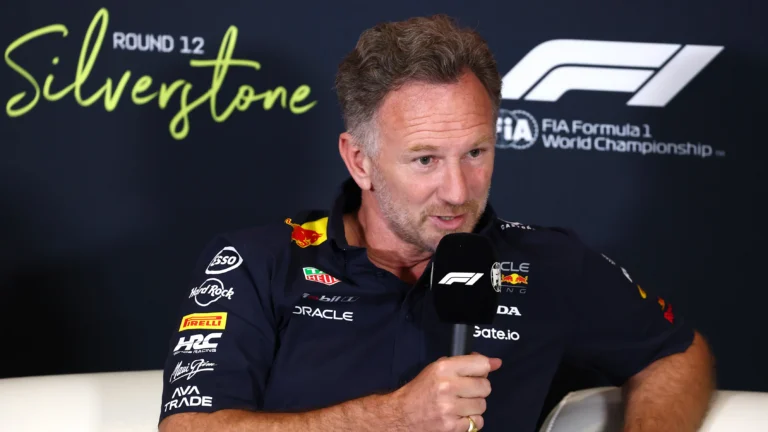
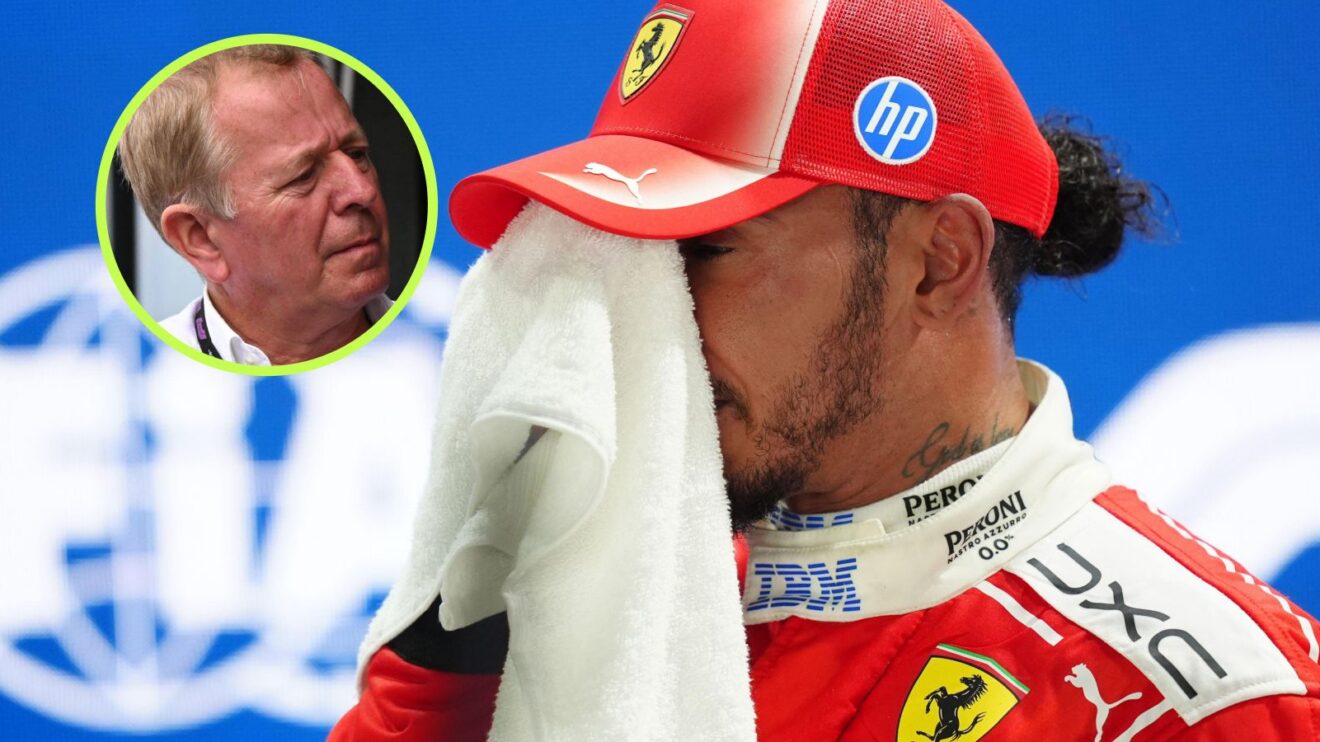
Martin Brundle Criticizes Lewis Hamilton’s Shocking Singapore GP Strategy

Highlights
- Hamilton chose not to pit during Singapore GP virtual safety car.
- Decision led to Hamilton finishing sixth, losing podium chances.
- Martin Brundle called Hamilton’s strategy decision “bizarre” post-race.
- Ferrari’s data suggested pitting during VSC would improve result.
- Hamilton apologized, took responsibility, citing overtaking difficulty in Singapore.
- Ferrari principal confirmed missed pit stop cost Hamilton podium finish.
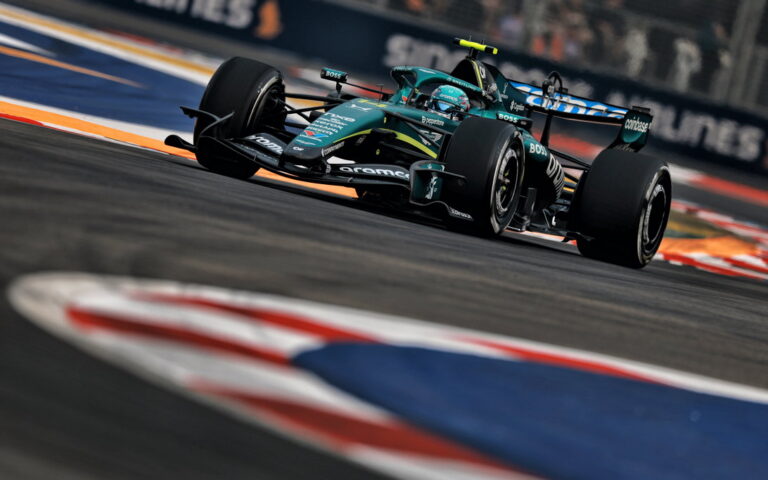
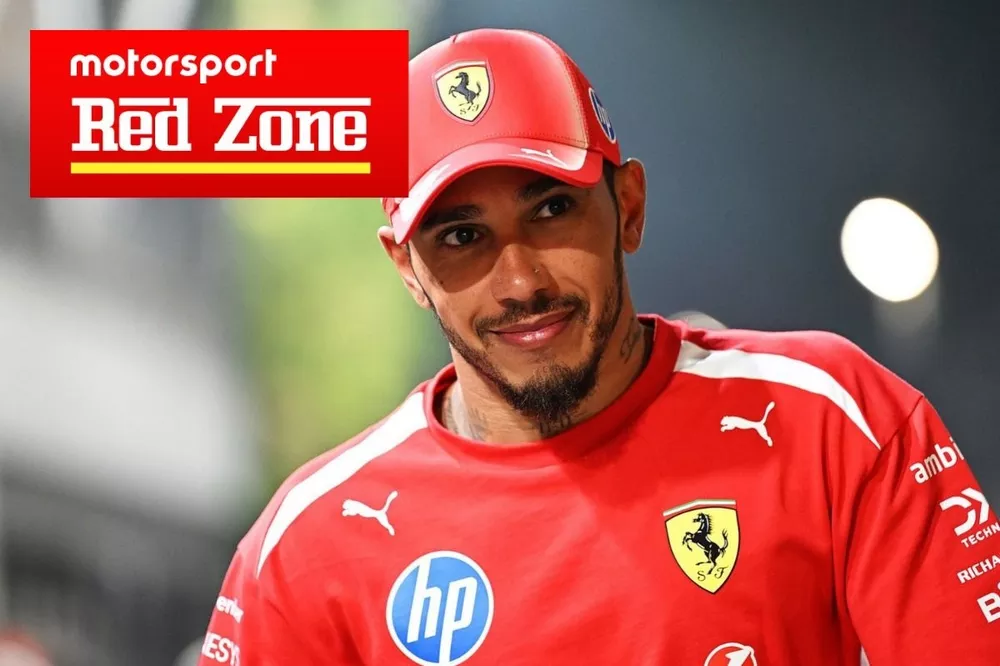
Lewis Hamilton’s refusal to pit under the Virtual Safety Car at the 2026 Singapore Grand Prix shapes the race, leaving the Ferrari driver sixth after a likely podium slips away at Marina Bay.
Martin Brundle labels the call “bizarre,” stressing the VSC’s reduced time loss and Ferrari’s recommendation to stop. The decision becomes the defining strategic moment of Hamilton’s evening.

Hamilton starts on fresh mediums and switches to softs on lap 18, hinting at two stops. When Lance Stroll stops and triggers the VSC, Charles Leclerc pits while Hamilton elects to stay out.
Declining the VSC stop commits Hamilton to a 44-lap run on a single soft set. Pace fades in traffic, and he later cedes fifth to Oscar Piastri’s McLaren despite the Australian’s earlier puncture stop.
Hamilton apologizes on the radio and after the finish, taking responsibility. He argues the Marina Bay layout’s overtaking difficulty shapes his thinking in the cockpit.
Hamilton accepts blame over team radio and post-race, citing Marina Bay’s limited overtaking as context for the strategy gamble.
Brundle highlights the cognitive load drivers face and the advantage of pitwall modelling under VSC. He notes Ferrari’s data supports stopping, a recommendation Hamilton ultimately rejects.
Team principal Fred Vasseur confirms the missed podium hinges on that VSC window. He indicates a stop then likely secures second or third based on Ferrari’s projections.
Fred Vasseur says a VSC stop would likely have delivered P2 or P3 for Ferrari and Hamilton.
The episode underlines the trust balance between driver instinct and the strategy group. At Singapore, where passing is punishingly difficult, a “free” VSC stop is usually the percentage play.
Hamilton expands on his reasoning in a detailed post-race message, reiterating he owns the outcome and will adjust. The tone at Ferrari remains measured, if disappointed.
The wider race features notable strategy chaos, amplifying the cost of misjudging VSC timing. Small calls carry outsized consequences on the tight Marina Bay streets.
The reprofiled venue continues to reward track position and tyre discipline, as explored in recent Singapore track changes coverage. Conditions also test cooling and degradation, consistent with the weekend’s weather outlook.
“Bizarre,” says Martin Brundle of skipping a VSC stop that Ferrari’s data modelled as quicker.
For Ferrari and Hamilton, the priority now is converting promising pace into results. The lesson is clear: at circuits like Marina Bay, the safest gains often arrive when the VSC appears.
Visual Summary
44
Ferrari
Ferrari
Hamilton skips VSC pit – podium hopes vanish in seconds
A single decision at Marina Bay: Hamilton stays out. Ferrari’s data said “pit”. The driver gambled. 6th place and apologies – instead of a likely podium.
VSC Lap 44: Missed Pit
Ferrari: “Pit now!”
Result: P6 🏁
“That call was on me. I’m sorry, team.”
– Lewis Hamilton, post-race
Data vs Instinct

Daniel Miller reports on Formula 1 Grand Prix weekends with race-day analysis, team-radio highlights, and point-standings updates. He explains power-unit upgrades, aerodynamic developments, and driver rivalries in straightforward, SEO-friendly language for a global F1 audience.