

https://shop.fervogear.com/cart


Breaking: Red Bull Secures Long-Term Deal for Star F1 Boss

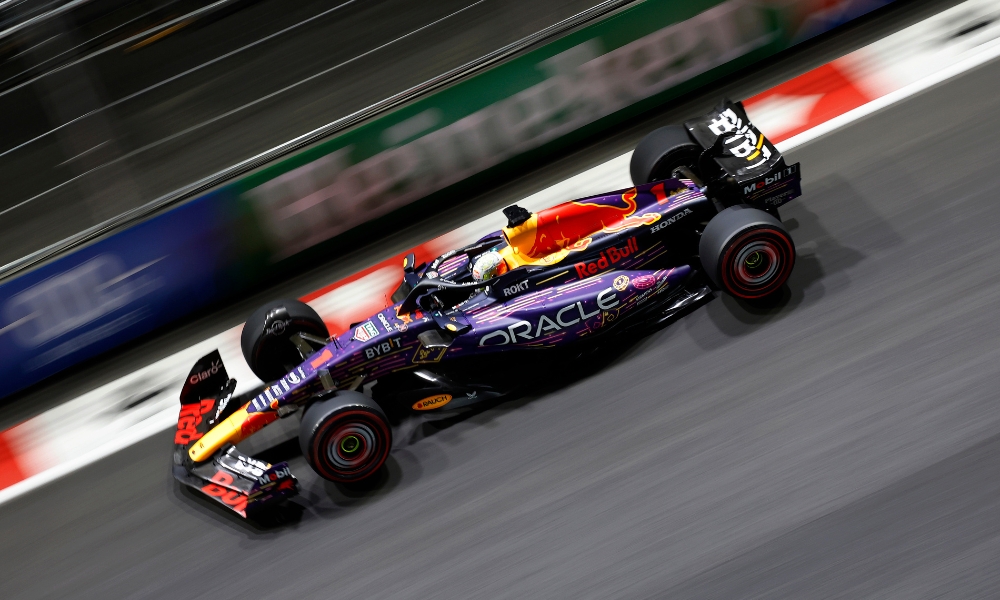
Highlights
- Laurent Mekies extends Red Bull team principal contract until 2031
- Announcement made after Red Bull’s Bahrain and Singapore GP wins
- Mekies took over leadership from Christian Horner in July 2025
- Verstappen narrowly missed fifth title, boosted by Mekies’ leadership
- Red Bull transitioned to independent power unit manufacturer under Mekies
- Max Verstappen and Isack Hadjar also secured new contract deals
Red Bull Racing confirms a long-term extension for team principal Laurent Mekies, keeping him in charge through the 2031 Formula 1 season.
The team announces the deal at Milton Keynes, days after victories in Bahrain and Singapore, underlining confidence in the project’s competitive trajectory.

Mark Mateschitz delivers the news, citing Mekies’ influence on recent gains and the broader strategic reset since mid-2025.
Mekies’ deal runs through 2031, anchoring Red Bull’s leadership through the 2026 regulation cycle.
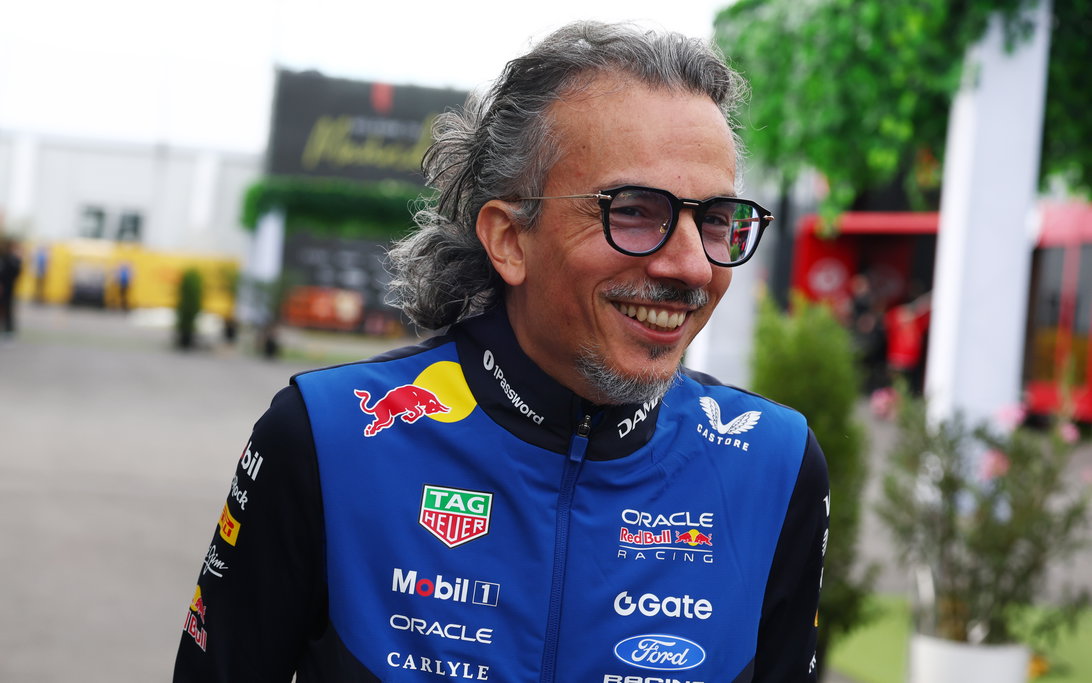
Mekies succeeded Christian Horner in July 2025 and quickly stabilized operations, with Max Verstappen missing a fifth title by only two points that year.
Crucially, Red Bull completed its transition to an independent power unit manufacturer under his watch, culminating in Verstappen’s first engine manufacturer victory at Sepang.
The extension signals continuity as the 2026 power unit rules approach, where integration of chassis and in-house propulsion will define competitive ceilings.
Red Bull’s in-house power unit program shifts strategic control and risk entirely under team management.
The team’s leadership credits collective backing from Chalerm Yoovidhya, Mateschitz, and Oliver Mintzlaff for maintaining momentum through leadership change and technical realignment.
This renewal sits alongside fresh deals for Verstappen and junior talent Isack Hadjar, consolidating driver stability through the next regulatory era.
Red Bull also continues to reshape its identity following Horner’s departure, a shift that has invited scrutiny and internal recalibration.
That evolution frames ongoing debate, including perspectives explored in Horner questions Red Bull identity, about the team’s direction and ethos.
On track, the early-season wins validate the car’s baseline and operational sharpness, but rivals are closing as development steepens.
For 2026, energy recovery, fuel efficiency, and cooling architectures will test Red Bull’s vertical integration under the cost cap.
Verstappen’s late-2025 surge under Mekies set the template for operational discipline and development focus.
Mekies emphasizes unity and standards across departments, vital as software, control systems, and packaging converge around the in-house power unit.
Amid the technical pivot, commercial and procedural aftershocks linger, including the fallout from Horner’s exit and reports around an exit payout.
With leadership secured and drivers committed, Red Bull enters the next phase with clear accountability and a coherent roadmap.
The question now is execution: sustaining development pace while integrating a complex new powertrain against increasingly efficient opponents.
Visual Summary
🔧
New
Rules
New
Rules
Mekies
Takes Over
Takes Over
Engine
Victory
Victory
Contract Extended 🏁
2031
2031
Verstappen
Stays
Stays
Mekies 🚀
Leads Red Bull Into the Next Era
Leads Red Bull Into the Next Era
🧑💼
Laurent Mekies
Team Principal
🏎️
Max Verstappen
Star Driver
🌟
Isack Hadjar
Young Talent
Red Bull’s Next Chapter 🏆
Mekies’ long-term deal through 2031 puts him in the cockpit of Red Bull’s future—with Verstappen and Hadjar also locked in, and new F1 engine rules on the horizon for 2026.
All eyes on Milton Keynes: Can this united team maintain its edge and write another era of racing dominance?

Daniel Miller reports on Formula 1 Grand Prix weekends with race-day analysis, team-radio highlights, and point-standings updates. He explains power-unit upgrades, aerodynamic developments, and driver rivalries in straightforward, SEO-friendly language for a global F1 audience.




