

https://shop.fervogear.com/cart


Honda ADUO Engine Upgrade Restores Driveability Close to Spec 1

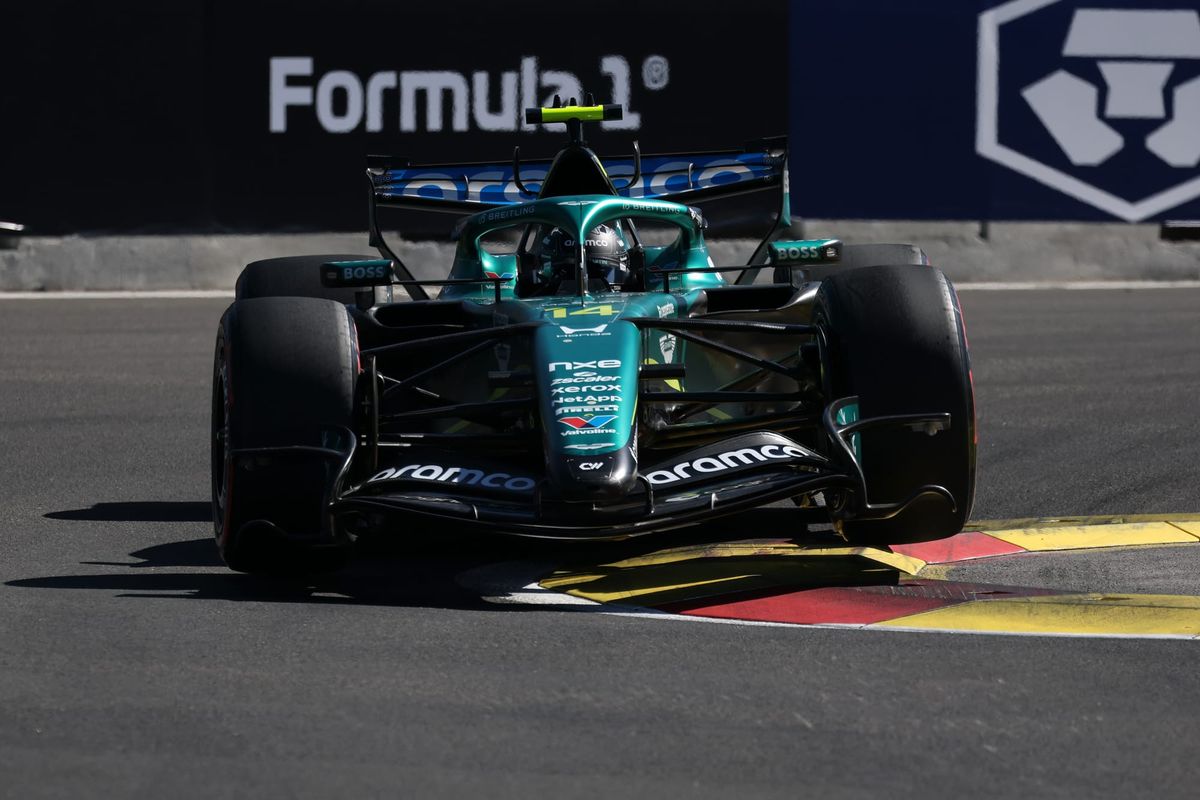
Highlights
- Honda’s F1 power unit update regressed driveability near Spec 1 levels
- Honda-powered Aston Martin AMR26 struggled with reliability and smoothness
- Spec 2 engine met power targets but affected driveability negatively
- Honda’s F1 program restarted late, causing a two-year development delay
- Aston Martin scored six points in last six races post-upgrades
- Honda plans further hardware and software improvements for future engines
HRC president Koji Watanabe says Honda’s latest F1 power unit update meets power goals but worsens driveability, echoing early Spec 1 behavior, after mid-season deployment on Aston Martin’s AMR26.
The package still trails rivals on output, and the car’s behavior remains inconsistent, with reports of turbo lag and erratic downshifts undermining confidence and corner entry stability.

Under current rules, energy management is pivotal, with roughly half the lap energy from electrification. That amplifies how combustion response, deployment strategy, and harvesting interact with chassis characteristics.
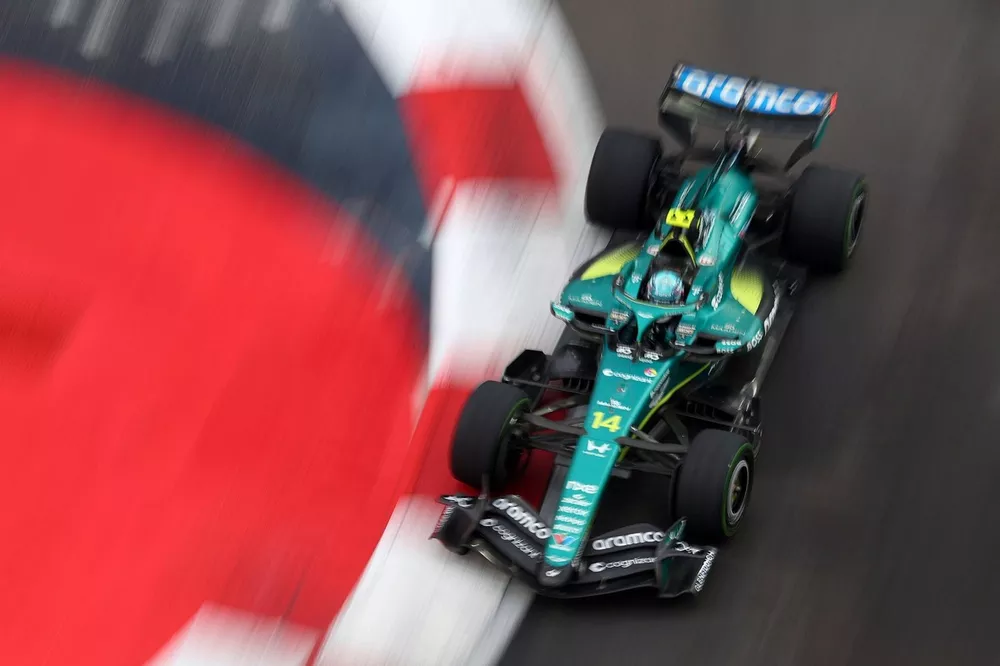
The update arrived via the Additional Development and Upgrade Opportunities program, targeting the power gap. Honda met its Spec 2 power aim, but combustion changes degraded throttle mapping and smoothness.
Watanabe concedes driveability regressed toward early Spec 1 levels. Honda continues hardware revisions and software refinement, yet acknowledges outright power remains a decisive competitive weakness.
Driveability regressed toward early Spec 1 levels after the Spec 2 update.
Aston Martin’s recent form stabilizes somewhat. Six points across the last six races reflect incremental gains, but drivers still call for stronger deployment, cleaner downshifts, and more responsive torque delivery.
Honda’s timeline explains much of the deficit. After ending its Red Bull partnership in 2021, HRC restarted late, rebuilt staffing, and initially prioritized battery and motor systems over combustion progress.
By 2023, Honda estimates it is almost two years behind. Catch-up work then meets budget caps and limited operating hours, restricting dyno running and on-site integration with the team.
Honda met power targets but sacrificed smoothness and control.
The task now is balance. Combustion efficiency, turbo response, and hybrid deployment must align, so energy harvesting and delivery support corner phases without spiking wheelspin or unsettling the rear.
ADUO allowances offer narrow windows, making calibration choices critical. Honda must turn dyno gains into track consistency within the ADUO framework in F1, where scope is tightly policed.
Watanabe targets parallel gains in output and control, promising further hardware tweaks and control software overhauls. Coordinated chassis integration at Aston Martin will be vital to translate lab steps.
Late restart left Honda almost two years behind rivals by 2023.
The trajectory remains upward but uneven. Competitive midfield targets depend on restoring driveability while closing the power gap, with lessons also informing Red Bull ADUO talks across the paddock.
Visual Summary
⚡
ENGINE
POWER
POWER
Still trailing rivals
EV + Combustion
⚙️
DRIVE-ABILITY
Regression after update
2021
2024
Late start → Catch-up rush → Progress but Setbacks
Honda’s Spec 2 boost
More power,
but tougher to drive.
More power,
but tougher to drive.
Progress ✔️, but smoothness suffered. The catch-up race continues.
🚗⚠️
Alonso
🚗🚀
Lance
🚗🔥
Aston Martin
The Honda journey: Not smooth yet,
but evolution is racing on.
but evolution is racing on.

Daniel Miller reports on Formula 1 Grand Prix weekends with race-day analysis, team-radio highlights, and point-standings updates. He explains power-unit upgrades, aerodynamic developments, and driver rivalries in straightforward, SEO-friendly language for a global F1 audience.