

https://shop.fervogear.com/cart


Toto Wolff Admits Responsibility for Hamilton-Rosberg Micromanagement Clash

Highlights
- Toto Wolff took responsibility for 2016 Abu Dhabi GP management.
- Hamilton finished 0.439 seconds ahead but lost title to Rosberg.
- Wolff admitted team’s radio micromanagement was unnecessary and controversial.
- Mercedes changed rules to avoid interfering with drivers’ race pace.
- Wolff praised Rosberg’s successful transition to venture capital investing.
- Team aims for healthier, less complicated driver management environments.
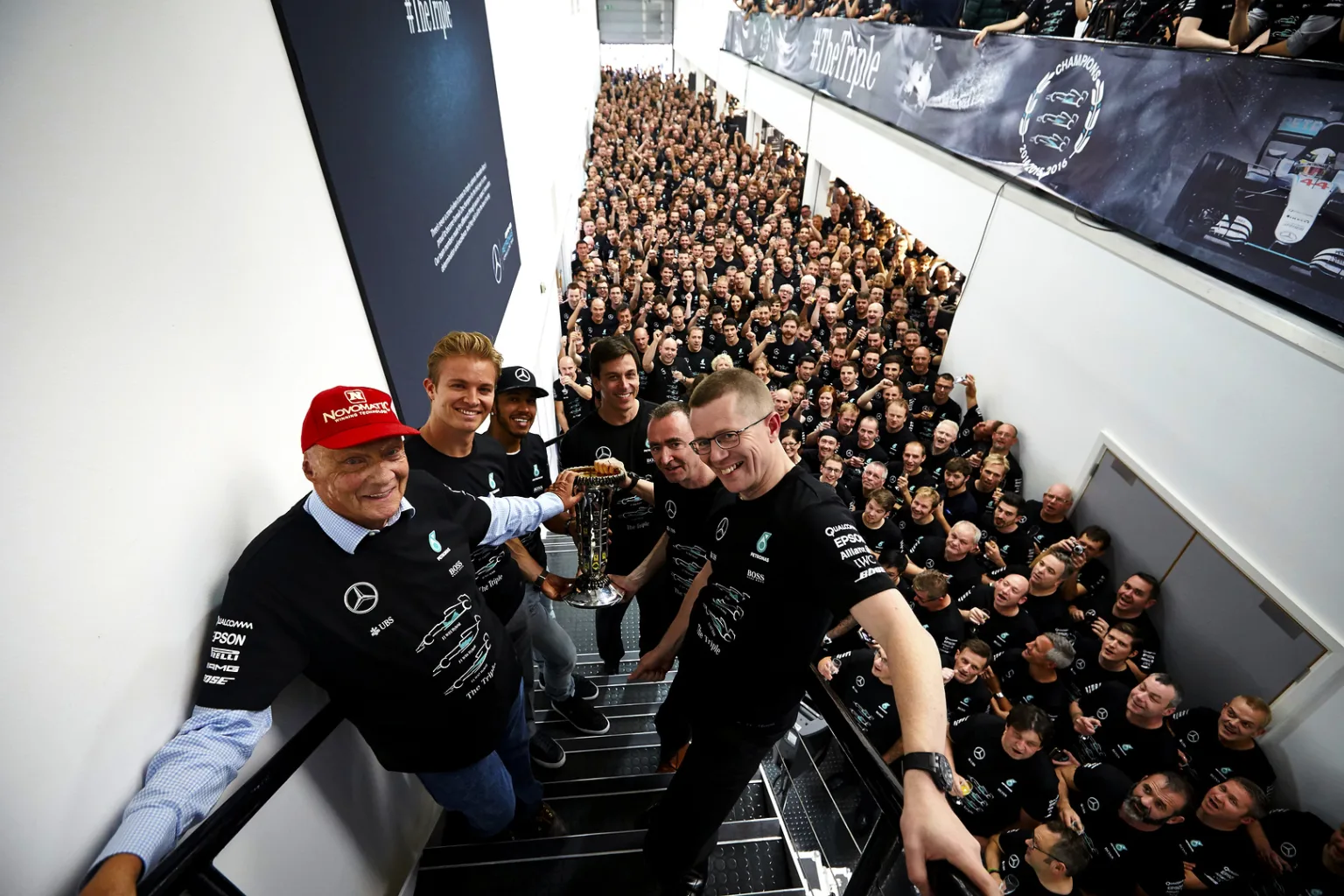
Toto Wolff has accepted responsibility for Mercedes’ handling of the 2016 Abu Dhabi Grand Prix, the title decider between Lewis Hamilton and Nico Rosberg.
Hamilton won the race by 0.439s, yet Rosberg’s second place secured the championship by three points to conclude Mercedes’ intra-team fight for the drivers’ crown.

Hamilton won by 0.439s yet lost the title by three points to Rosberg.
During that race, Mercedes instructed Hamilton to increase pace to prevent Sebastian Vettel attacking Rosberg. Hamilton instead slowed strategically, backing Rosberg toward the chasing pack.
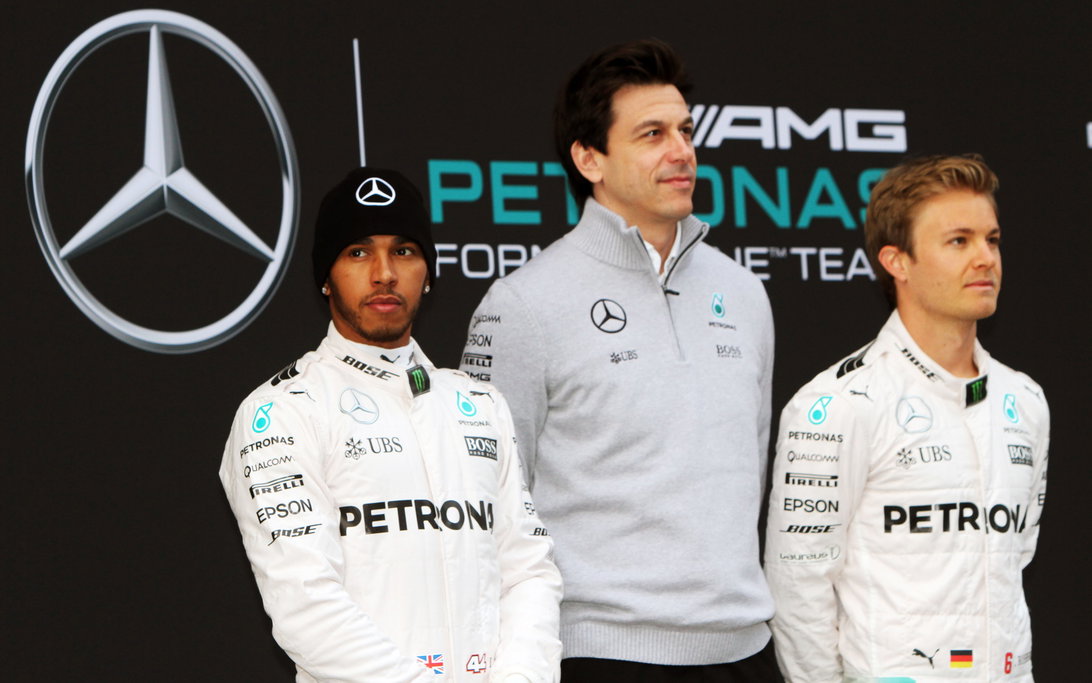
A decade on, Wolff says he would have let the drivers manage it, rather than intervening by radio, consistent with his views on talent and management.
He accepts the micromanagement created avoidable controversy and describes the episode as his responsibility, informed by experience he lacked in 2016.
Wolff accepts responsibility for Mercedes’ radio intervention at Abu Dhabi 2016.
Mercedes subsequently reviewed its rules of engagement, concluding that controlling pace in such moments risked distorting the sporting contest between teammates.
Procedures were simplified to reduce flashpoints and preserve competitive integrity, particularly during any intra-team duel at Mercedes.
Wolff also emphasises that relationships with both Hamilton and Rosberg remain strong, despite the pressure surrounding that finale.
Mercedes did not punish Hamilton after the race. In the aftermath, and after Rosberg’s immediate retirement, the team codified a lighter-touch approach to race management.
Mercedes simplified rules to avoid pace interference between teammates in decisive moments.
Wolff further highlights Rosberg’s post‑F1 career, praising his venture capital work and the performance of his fund, citing diligence and credibility earned in the technology sector.
Lessons from 2016 continue to guide Mercedes’ philosophy. Wolff recently issued a warning about team dynamics, stressing clarity and reduced interference when tensions rise.
The Abu Dhabi finale remains a case study in how team messaging and strategy choices can influence championship narratives without breaching regulations under extreme pressure.
Visual Summary
44
6
0.439s
🎧
“Lewis, pick up the pace!”
Mercedes had the world’s fastest drivers —
but couldn’t let them race freely.
but couldn’t let them race freely.
Rosberg clinched the championship by just three points—
one of F1’s tightest finishes.
one of F1’s tightest finishes.
🔄
“If only I had ten more years’ experience…”
“If only I had ten more years’ experience…”
Toto Wolff admits the 2016 finale was his mistake — Mercedes learned to let racers race.
✅ No more “micromanagement” in title deciders
✅ No more “micromanagement” in title deciders
🥇 Rosberg retires a champion.
Now, he races in venture capital—and wins.
Daniel Miller reports on Formula 1 Grand Prix weekends with race-day analysis, team-radio highlights, and point-standings updates. He explains power-unit upgrades, aerodynamic developments, and driver rivalries in straightforward, SEO-friendly language for a global F1 audience.