
https://shop.fervogear.com/cart


Christian Horner Opens Up About His Sudden and Harsh Red Bull F1 Departure

Highlights
- Christian Horner exited Red Bull Racing abruptly in July 2025.
- Laurent Mekies replaced Horner as CEO and team principal.
- Horner’s tenure included six constructor championships with Red Bull.
- Red Bull shifted management style after founder Mateschitz’s 2022 death.
- Horner worked with drivers like Verstappen, Vettel, Ricciardo, and Perez.
- Horner remains active in motorsport following his departure.
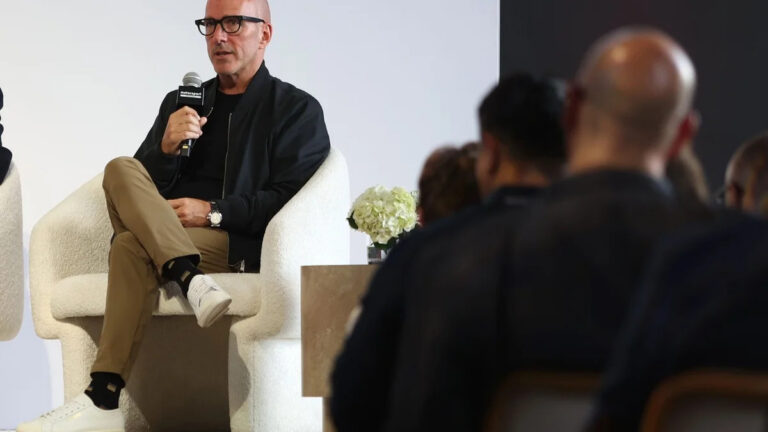
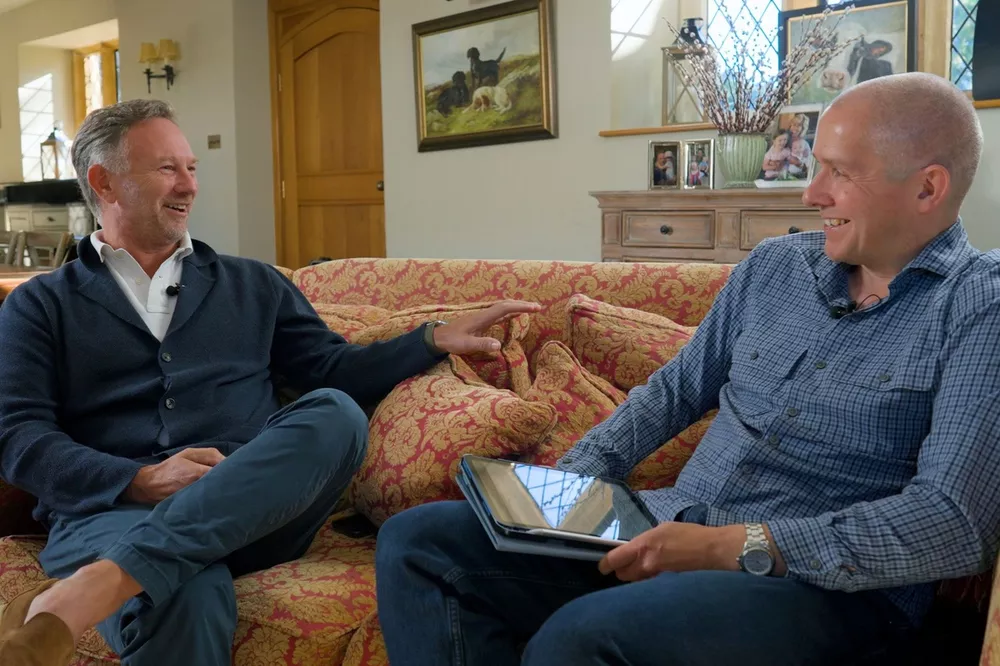
Christian Horner characterizes his July 2025 removal from Red Bull Racing as abrupt and brutal. He speaks in New York at the Autosport Business Exchange, his first U.S. appearance since leaving.
Red Bull appoints Laurent Mekies as CEO and team principal, signaling a structural reset at Milton Keynes. Horner outlines the context behind his Red Bull exit, stressing timing rather than shock.

He says the direction becomes clear after Dietrich Mateschitz’s death in late 2022. Control centralizes at head office, reducing the autonomy Red Bull Racing previously enjoys.
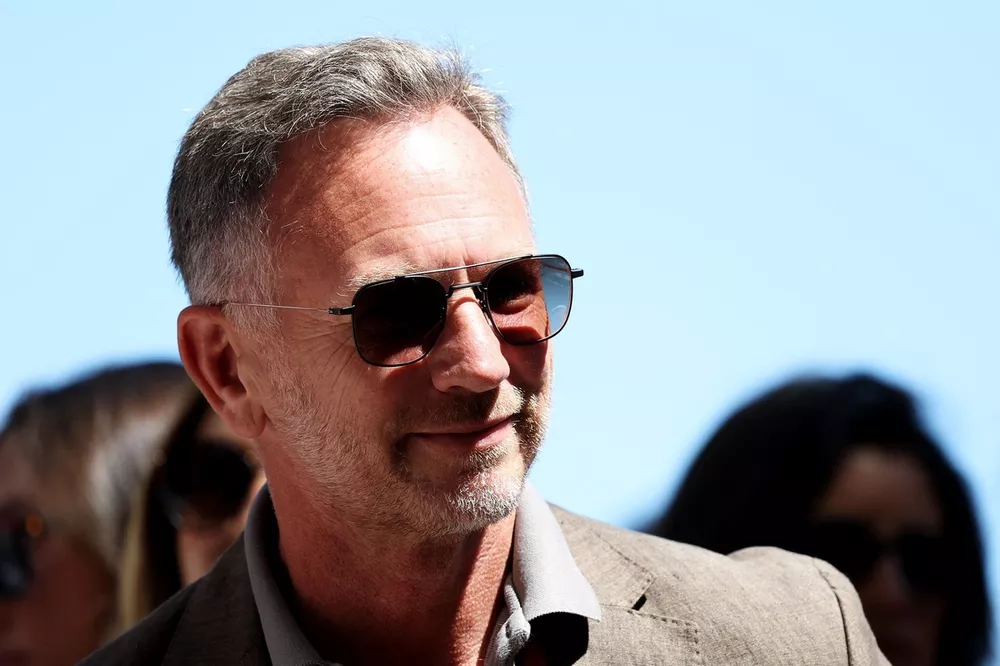
“Abrupt and quite brutal” is how Horner sums up the timing of his exit.
He argues replacing Mateschitz’s singular leadership is impossible. Corporate governance inevitably tightens, prioritizing oversight over the entrepreneurial latitude that shapes earlier Red Bull decisions.
That shift influences decision speed and accountability. Red Bull adapts under Mekies, aiming to preserve agility while aligning with broader group control.
Horner’s tenure is defined by six constructors’ titles: 2010–2013, 2022, and 2023. Vettel and Verstappen each secure four drivers’ crowns, aided by his team principal role and stable technical leadership.
Six constructors’ titles across two eras underline structural strength, not just driver brilliance.
He also works closely with Ricciardo, Perez, Gasly, Albon, and Webber. Horner credits an aligned garage and factory for sustaining peaks across regulation cycles.
Despite the end, he stresses pride in the culture and results. He remains active in motorsport, engaging at industry forums and maintaining visibility within the paddock’s orbit.
Red Bull now embeds new processes without him. The team’s governance and competitive posture continue to evolve, as explored in Red Bull’s current F1 status.
“The timing was harsh, but the direction of travel was clear.” — Horner on the post‑2022 shift.
The key test is execution under tighter oversight. If agility survives centralization, Red Bull remains formidable; if not, decision latency risks eroding advantages built during Horner’s era.
Visual Summary
Christian Horner OUT at Red Bull
20 Years of Glory 🏆 — ended abruptly
2005
Horner joins
Horner joins
2025
Abrupt exit
Abrupt exit
2010
2011
2012
2013
2022
2023
2011
2012
2013
2022
2023
🚗
Sebastian Vettel
🏁
Max Verstappen
🌟
Ricciardo, Perez, Gasly,…
Sebastian Vettel
🏁
Max Verstappen
🌟
Ricciardo, Perez, Gasly,…
“It was abrupt and quite brutal,
but I’m proud of all we achieved.”
but I’m proud of all we achieved.”
What’s next for Horner? Motorsport world watches closely as Red Bull turns the page.

Daniel Miller reports on Formula 1 Grand Prix weekends with race-day analysis, team-radio highlights, and point-standings updates. He explains power-unit upgrades, aerodynamic developments, and driver rivalries in straightforward, SEO-friendly language for a global F1 audience.