

https://shop.fervogear.com/cart


Inside Red Bull’s Boldest F1 Gamble Ever Told

Highlights
- Red Bull began building its own F1 engine in early 2021.
- Engine produced race wins within five years of project start.
- Key hires included Ben Hodgkinson and Steve Brodie from Mercedes.
- Formal partnership with Ford announced in February 2023.
- New Milton Keynes factory built specifically following F1 rulebook.
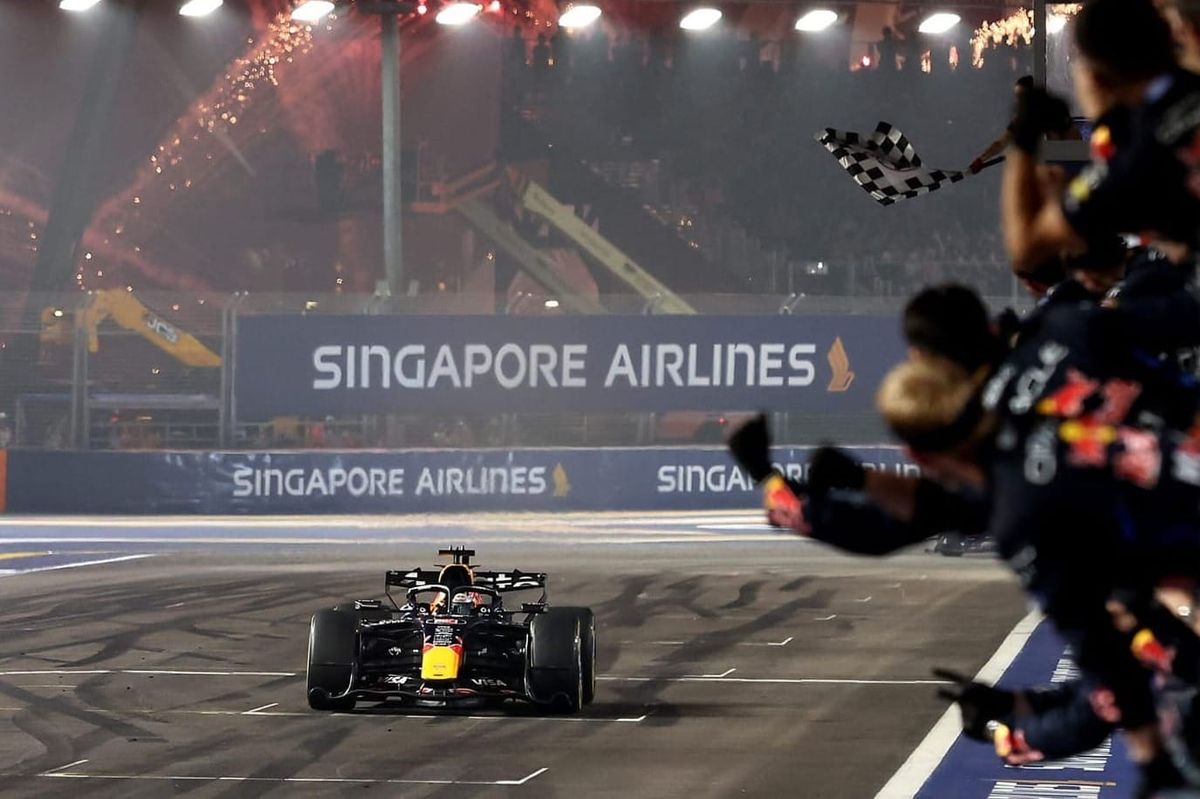
- Max Verstappen won races in Malaysia and Singapore with new engine.
Red Bull Powertrains’ in-house Formula 1 engine project delivers race-winning performance within five years, after starting from scratch in early 2021. It is the sport’s most audacious recent technical bet.
The stakes are clear. Failure risked losing Max Verstappen, senior engineers, and sponsors. Success preserves competitive autonomy and shields the team from external supplier volatility.

Key decisions set the trajectory. Christian Horner pushed for cost caps and restricted development, narrowing the resource gap to manufacturer giants spending over $500 million annually on engines.
The early 2026 Barcelona shakedown confirmed a credible baseline for Red Bull Powertrains’ first package.
Approval arrived in February 2021 with minimal staff and no facility. Within 55 weeks, Red Bull built a dedicated Milton Keynes base and established initial test infrastructure.
A new Milton Keynes engine facility was delivered in just 55 weeks from project approval.
Recruitment proved decisive. Ben Hodgkinson became technical director, joined by combustion lead Steve Brodie and others from Mercedes. The pitch emphasized winning performance, not minimum compliance.
By August 2022, the first internal combustion engine ran on the dyno. Progress continued despite Honda’s reversed exit plan and protracted, ultimately abortive, negotiations with Porsche.
That collapse invited Ford. After discussions with racing leadership and CEO Jim Farley, a formal partnership was confirmed in February 2023, bringing wider expertise and manufacturing depth.
Red Bull and Ford confirmed a formal power unit partnership in February 2023.
The new factory is purpose-built around the F1 rulebook. Layout, dynos, and rigs are optimized to extract value within the 710-hour seasonal dyno ceiling.
A dedicated rig room, nicknamed the Donut, stress-tests ancillary systems like fuel pumps. That reduces failure risk during complete power unit runs and preserves limited dyno hours.
Key hires from Mercedes included Ben Hodgkinson and combustion lead Steve Brodie.
Hodgkinson fosters an environment that tolerates controlled failure and rapid iteration. That culture aligns with Red Bull’s broader mindset and helped sustain momentum through setbacks.
Track evidence followed. Max Verstappen won in Malaysia and Singapore, validating performance gains as energy management, drivability, and efficiency improved across the season.
From launch in early 2021 to race wins within five years, the timeline is unprecedented in modern F1.
Horner calls the debut a career highlight. Leadership stability, reinforced by recent management agreements, supported investment certainty and rapid decision-making.
How far Red Bull can stretch this package depends on rule interpretation and development cadence, as outlined in the team’s evolving F1 strategy for 2026 and beyond.
Visual Summary
MAX
🏆
🏆
Malaysia, Singapore Wins
💥 High Stakes
🍩
Donut Lab
🏚️
2021: no base
Red Bull’s
Engine Gamble Pays Off
Engine Gamble Pays Off
From zero to race winner in five dramatic years
— rewriting the Formula 1 rule book
— rewriting the Formula 1 rule book
❌
Lose Max
Lose Max
👥
Recruit Elite
Recruit Elite
🔧
Build Fast
Build Fast
🤝
Porsche deal fails
Porsche deal fails
🦾
Ford Joins
Ford Joins
55
weeks
to build factory
to build factory
710h
dyno test
limit met
limit met
2
Grand Prix
wins in year 1
wins in year 1
“Gamble big. Build fast. Win hard.”
Red Bull Powertrains: What began as a high-risk shot in the dark now powers race wins and inspires a new era.
What’s next for F1’s boldest engine project?
What’s next for F1’s boldest engine project?
Daniel Miller reports on Formula 1 Grand Prix weekends with race-day analysis, team-radio highlights, and point-standings updates. He explains power-unit upgrades, aerodynamic developments, and driver rivalries in straightforward, SEO-friendly language for a global F1 audience.