

https://shop.fervogear.com/cart


Multiple F1 Drivers Hit Grid Penalties Ahead of United States Grand Prix

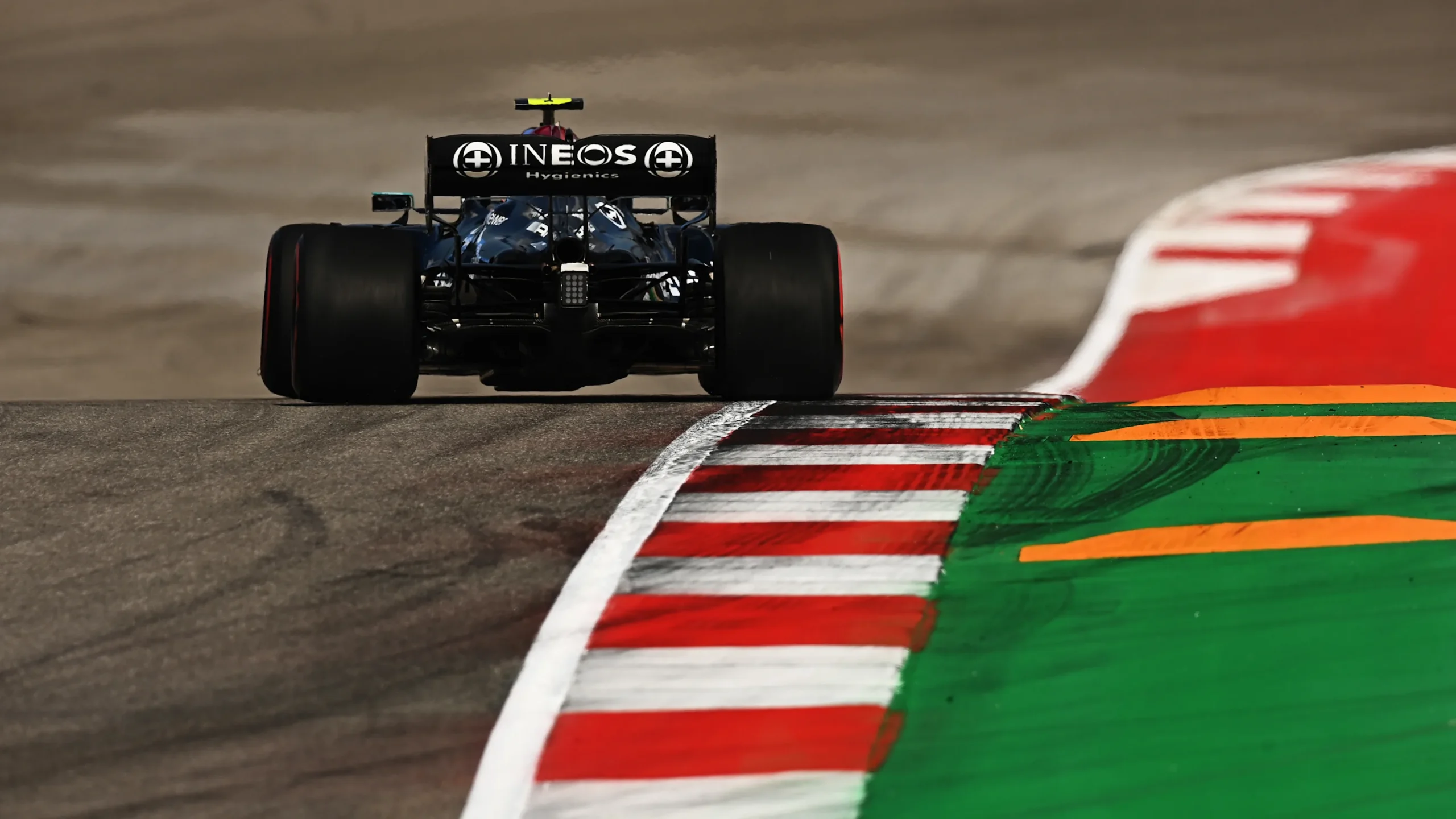
Highlights
- Several F1 drivers face grid penalties at US Grand Prix.
- Arvid Lindblad gets five-place penalty for sixth ICE use.
- Gabriel Bortoleto receives 20-place penalty for new power unit.
- Franco Colapinto penalized 10 places for excess control electronics.
- Penalties result from exceeding 2026 power unit change limits.
- United States Grand Prix scheduled for October 25, 2026.
Several Formula 1 drivers face grid penalties for the United States Grand Prix at Circuit of the Americas after exceeding 2026 power unit limits. The changes reshape expectations for the Austin weekend.
The penalties apply after qualifying, altering the final grid irrespective of headline lap times. Teams balance reliability with performance amid tight component allocations.

Racing Bulls driver Arvid Lindblad takes a five-place drop for fitting a sixth internal combustion engine. A second over-allocation reduces the sanction to five places, rather than the usual initial 10.
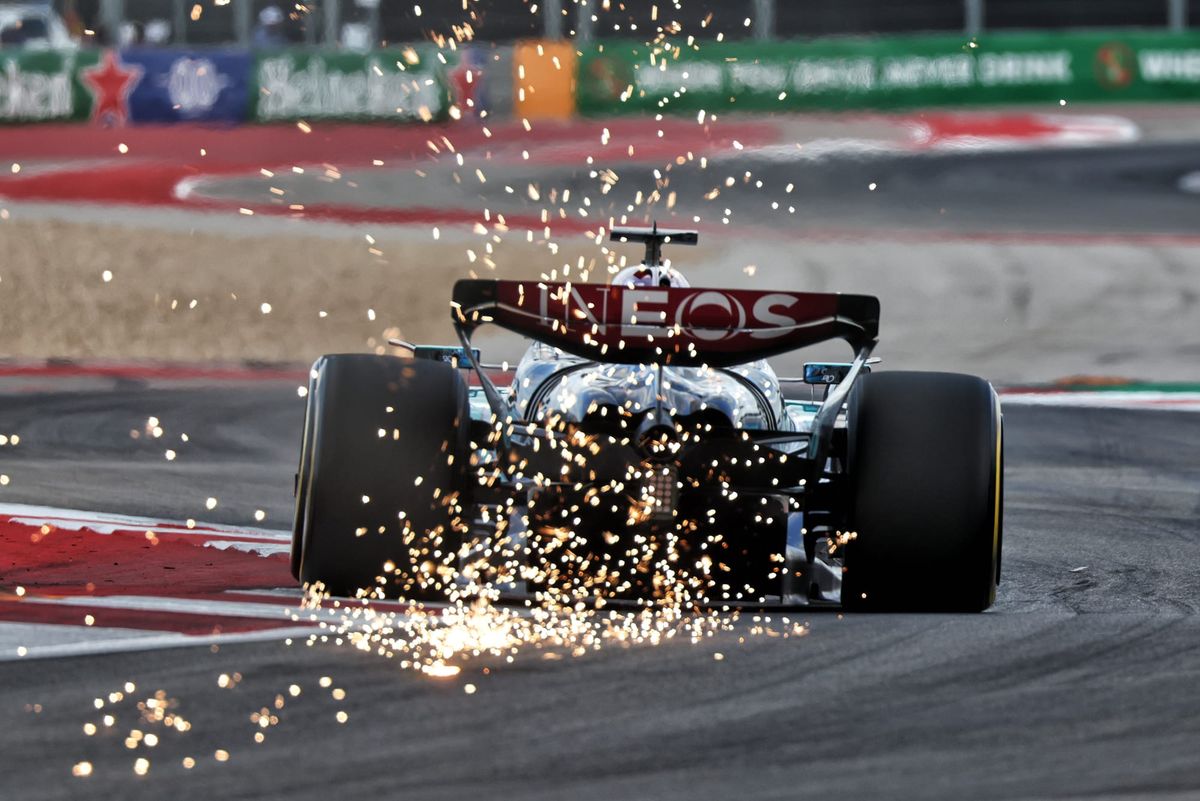
The framework exists to control costs and preserve competitive equity by discouraging frequent power unit rotations. It rewards reliability without eliminating strategic flexibility.
Lindblad’s sixth ICE triggers a five-place penalty as a second over-allocation, not the usual 10 for a first offence.
Audi’s Gabriel Bortoleto incurs a 20-place penalty after fitting a complete new power unit. His ICE, turbocharger, and exhaust remain within limits, but the energy store and control electronics reach a fourth usage.
That combination mandates a back-of-grid start regardless of qualifying form. Audi must shape race-day priorities around clean air and tyre life to enable recovery.
Bortoleto’s 20-place sanction guarantees a back-of-grid start, independent of qualifying result.
Alpine’s Franco Colapinto receives a 10-place drop for installing a fourth set of control electronics, breaching the season’s allowance. Alpine prepares strategy around traffic management and undercut potential.
With allocations capped across several elements, exceeding quotas triggers cumulative grid drops. The system penalises repeat breaches while ensuring transparent, consistent sanctions across the field.
The penalties are set to scramble the midfield at COTA. Strong qualifiers may slide, handing track position to rivals better placed for the opening stint during the Austin weekend, especially into Turn 1.
Colapinto’s 10-place hit stems from a fourth set of control electronics, exceeding the season’s allocation.
Overtaking into Turn 1 and Turn 12 should enable recovery drives. Teams bias Saturday setups toward race pace, reflecting priorities in the F1 2026 US GP build-up.
The race runs on Sunday, October 25, 2026, at Austin’s Circuit of the Americas. Expect an aggressive undercut window if early traffic compresses the field.
Ultimately, these drops underline the value of disciplined component management late in the season. Opportunity awaits for drivers starting ahead of penalised rivals and executing clean first stints.
Visual Summary
1
2
-5
L
START BACK
B
-10
C
7
8
Lindblad -5
Bortoleto Start Back
Colapinto -10
Penalty Shuffle
at the US Grand Prix Grid!
at the US Grand Prix Grid!
Key drivers take grid drops for exceeding power unit limits.
Expect surprise starters, comeback drives, and shifting race strategies this Sunday in Austin.
Expect surprise starters, comeback drives, and shifting race strategies this Sunday in Austin.
Lindblad (-5), Bortoleto (back of grid), Colapinto (-10) must fight through the field.
Who will climb the mountain on race day?
Who will climb the mountain on race day?

Daniel Miller reports on Formula 1 Grand Prix weekends with race-day analysis, team-radio highlights, and point-standings updates. He explains power-unit upgrades, aerodynamic developments, and driver rivalries in straightforward, SEO-friendly language for a global F1 audience.