
https://shop.fervogear.com/cart


Max Verstappen Reacts to Facing Unwanted F1 Penalty Threat

Highlights
- Max Verstappen faces potential engine penalty in final 2026 races
- He currently uses last penalty-free power unit components
- Teammate Isack Hadjar served grid penalty in Malaysia
- Verstappen won recent races in Sepang and Singapore
- Upcoming US, Mexico, Brazil races critical for championship outcome
- Verstappen’s engine management key as season nears conclusion
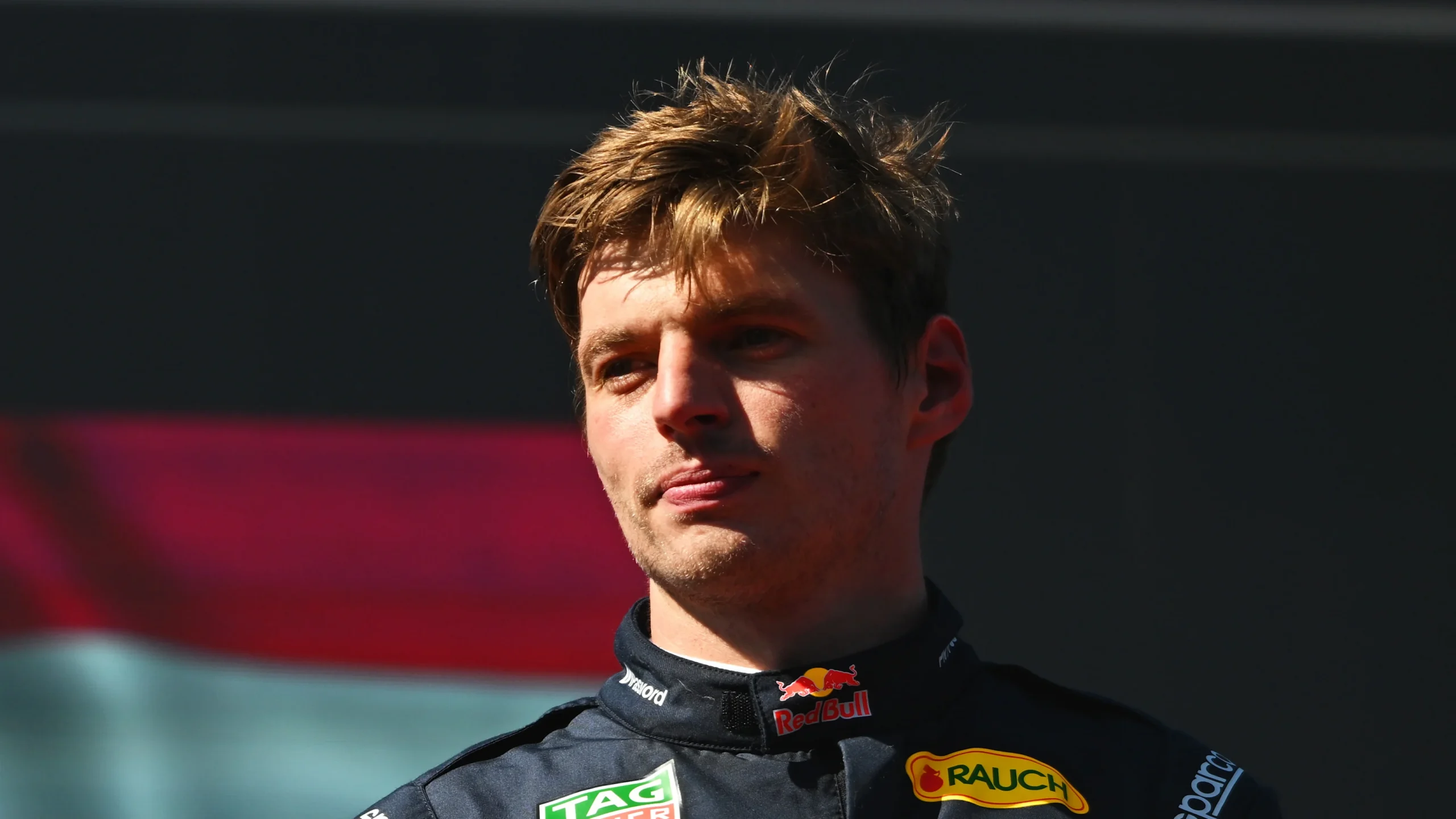
Max Verstappen accepts a grid penalty may be required in the closing stages of 2026, as Red Bull manages dwindling power unit allocations ahead of critical rounds in the Americas.
He runs the final penalty‑free set of elements: ICE, turbo, MGU‑K, energy store, control electronics, and exhaust. Five of six ancillary parts are also used, tightening strategic options.

Verstappen is down to his final penalty‑free power unit elements, narrowing Red Bull’s strategic margin.
Exceeding allocations triggers grid drops, so timing is the lever left. Austin, Mexico City, and Interlagos differ on overtaking potential, which will shape where Red Bull absorbs pain.
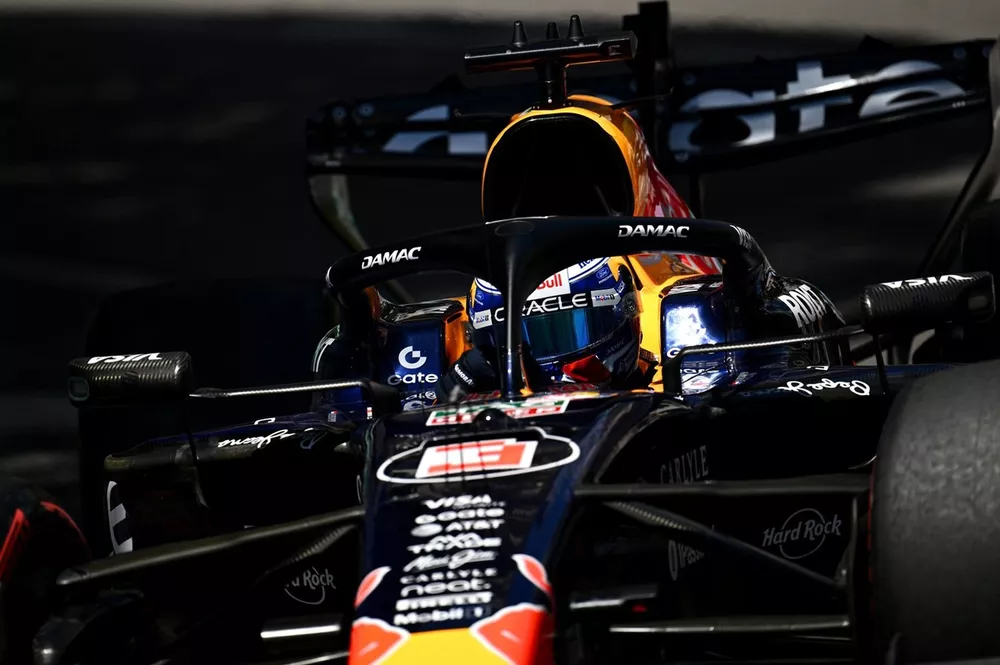
Recent precedent is clear. Isack Hadjar took a five‑place drop in Malaysia for a new ICE, then started from the pit lane in Singapore after further element changes.
Liam Lawson accepted a full back‑of‑grid penalty in Italy while substituting for the injured Frenchman, ensuring Hadjar’s pool reset. Those moves underline Red Bull’s calculus.
Isack Hadjar’s Malaysia grid drop and Singapore pit‑lane start showcase Red Bull’s willingness to reset component pools.
Verstappen’s season includes two power unit DNFs. A coolant leak ended China early, and an opening‑lap engine failure stopped Monaco. Yet wins in Sepang and Singapore restored momentum.
Asked about timing, he stayed non‑committal. “That we have to take a penalty at one point, yeah, potentially. There’s no known date. We’ll see what happens,” he said.
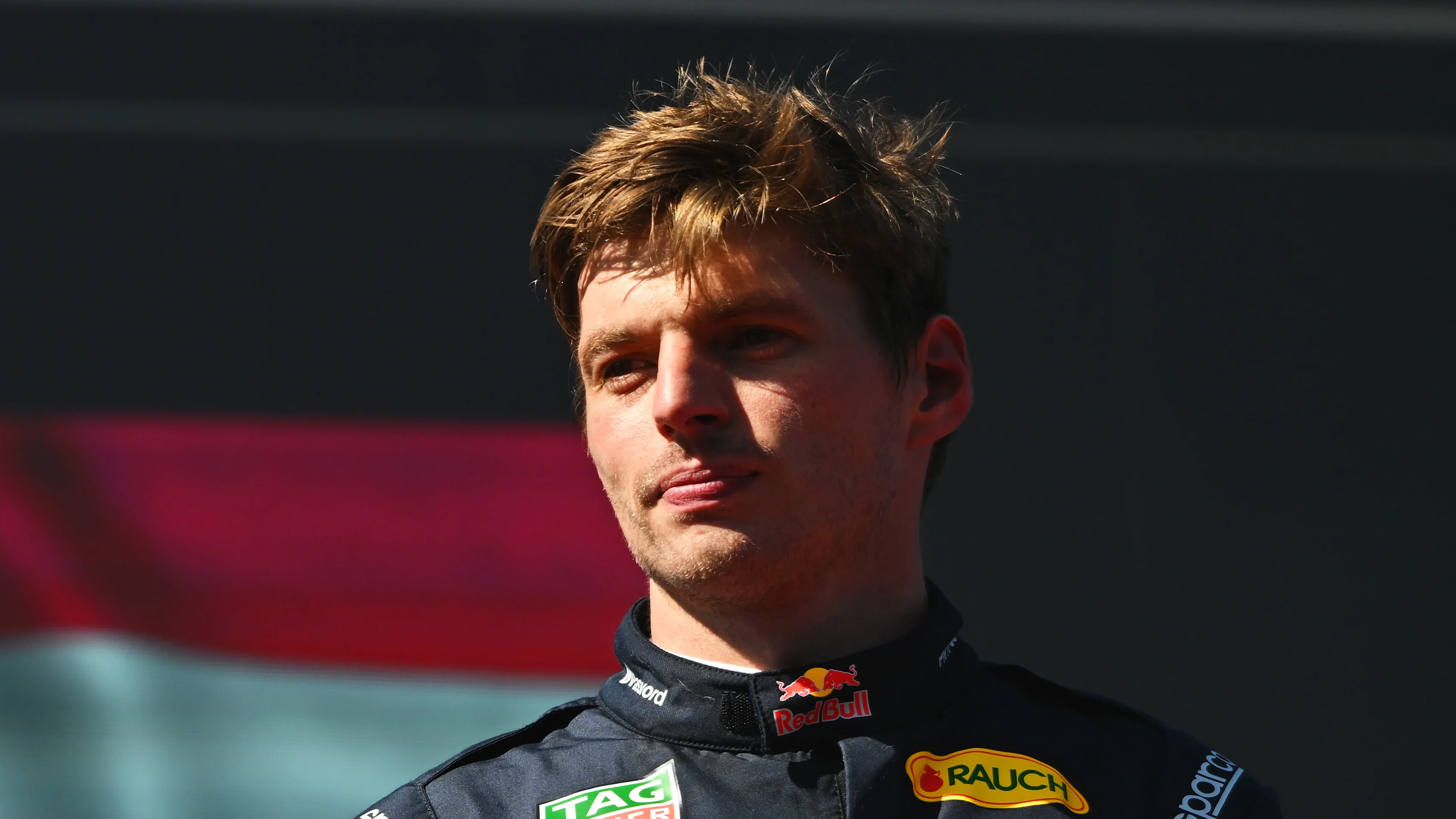
“That we have to take a penalty at one point, yeah, potentially… We’ll see what happens.” — Max Verstappen
The United States Grand Prix opens a decisive run. Debate around expectations still places Verstappen among the favourites, despite uncertainty over penalties and reliability.
Penalty timing weighs track traits. Mexico’s altitude strains cooling and turbo speed. Brazil rewards overtaking and recovery. Safety Cars, sprint formats, and component mileage all factor into the model.
Physical demands also count. Bumpy venues can amplify ride and reliability risks, an issue Verstappen has previously highlighted this year.
Championship arithmetic sharpens. Avoiding an early drop preserves grid position, but a late change risks title‑defining damage. The season’s closing stages will inform Red Bull’s call.
Visual Summary

Daniel Miller reports on Formula 1 Grand Prix weekends with race-day analysis, team-radio highlights, and point-standings updates. He explains power-unit upgrades, aerodynamic developments, and driver rivalries in straightforward, SEO-friendly language for a global F1 audience.