

https://shop.fervogear.com/cart


Max Verstappen Opens Up About Spine Damage After Racing Years

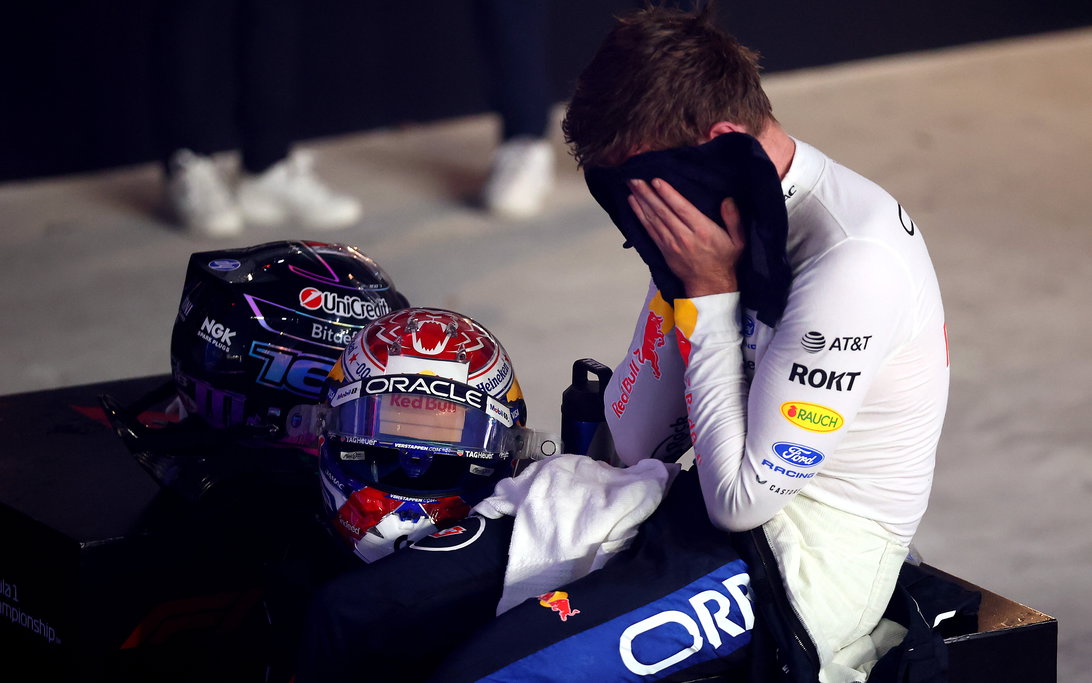
Highlights
- Max Verstappen reveals spine damage from years of racing.
- Circuit of the Americas causes vertical forces exceeding 9 Gs.
- Heavy braking over bumps intensifies strain on drivers’ spines.
- Ground-effect cars cause porpoising, increasing physical stress.
- FIA introduced rules to reduce harmful vertical car movements.
- Verstappen urges more focus on driver health and safety.
Max Verstappen has disclosed lower-spine damage ahead of the United States Grand Prix at Austin, linking it to sustained vertical hits from modern F1 machinery and COTA’s aggressive bumps.
Speaking in the build-up to Austin, the Red Bull driver described how repeated impacts accumulate over seasons, and urged greater emphasis on driver welfare in car and circuit design. His concern frames the weekend’s narrative as much as performance does.

Verstappen contrasts typical 5–6G lateral loads with vertical spikes above 9G at COTA, particularly under heavy braking on uneven surfaces. Bottoming from low ride heights and stiff platforms magnifies the shock transmitted through the cockpit.
“Vertical loads above 9G at COTA are really not fun,” Verstappen says, highlighting the cost of modern ride-height and stiffness targets.
The introduction of ground-effect regulations in 2022 pushed teams toward low ride heights and very stiff suspensions. That created potent downforce but also exposed drivers to porpoising and harsher vertical oscillations.
The FIA’s reaction included the Aerodynamic Oscillation Metric and 2023 floor changes to curb excessive vertical movement. While porpoising has eased, COTA’s bumps still deliver punishing single-event impacts that no metric fully eliminates.
Verstappen says scans show the lower part of his spine “doesn’t look that great,” evidence of attrition rather than isolated incidents. He warns normalising those hits risks long-term harm across the grid.
“Accepting this as part of the job” invites future damage, Verstappen argues, urging car and track decisions that prioritise driver health.
This also shapes weekend setup choices. Teams must weigh raising the car to protect the floor and the driver against the lap-time loss that comes with relinquishing downforce. Red Bull’s platform strengths often soften that compromise, but not eliminate it.
That balance will be central again in Austin, where bumps intersect with heavy braking zones. The car’s pitch and reduced damping travel on stiff setups can turn routine kerbs into jarring blows through the seat and belts.
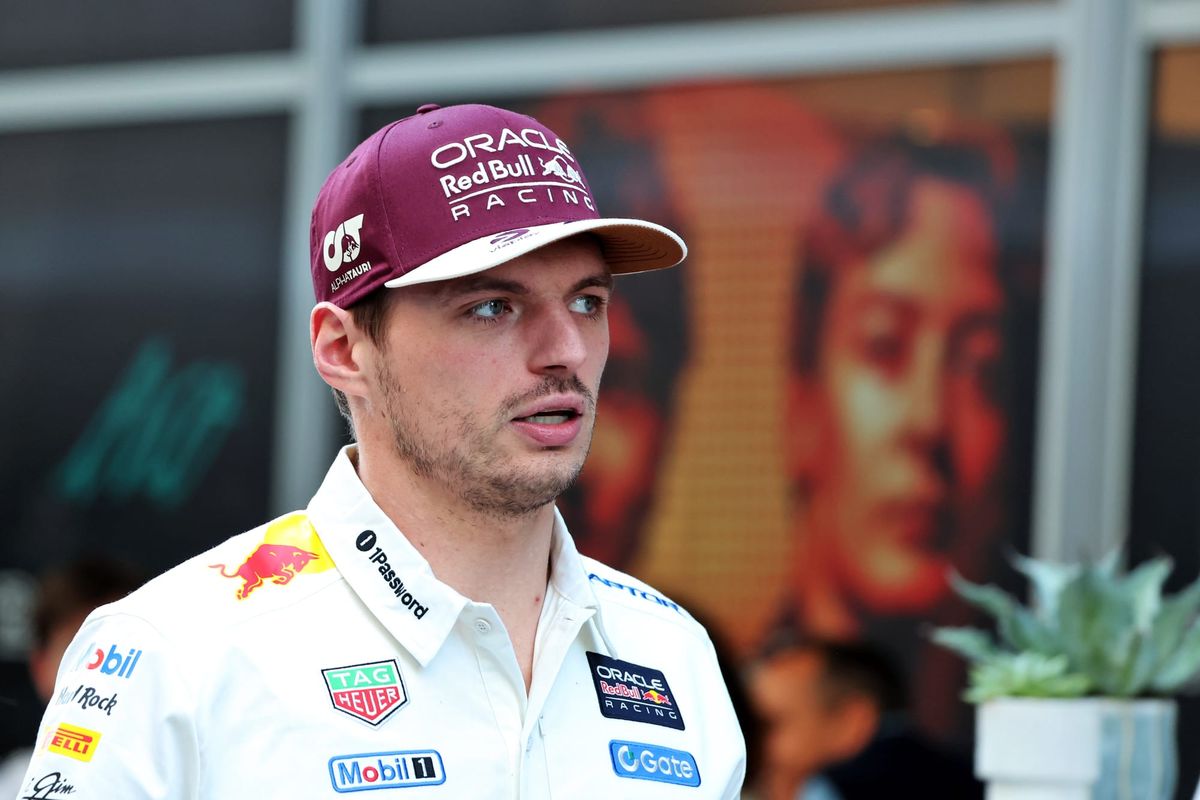
Red Bull typically finds a workable ride-height window, which has underpinned recent successes and enhanced confidence on rougher tracks. That theme has featured across the season and remains relevant this weekend.
Form-wise, Verstappen has shown he can absorb discomfort and still deliver results, as seen with a resilient fightback earlier this year. That resilience again meets a circuit known for testing equipment and bodies.
FIA measures have reduced oscillation, but big, singular vertical hits over bumps remain the enduring threat at circuits like Austin.
The discussion inevitably widens beyond one event. Verstappen’s stance adds momentum to calls for targeted resurfacing, kerb refinement, and continued regulatory vigilance to protect drivers without undermining the competitive spectacle.
With attention fixed on Austin, the spotlight falls on how teams manage ride height, damping, and floor protection. The outcome will inform debates on driver welfare long after the chequered flag.
Verstappen’s comments arrive as Austin preparations intensify and contextualise the sporting story. They follow detailed pre-event analysis of the demands awaiting drivers at the Circuit of the Americas.
The United States Grand Prix build-up has underscored those priorities, not least through Verstappen’s candid accounts of cumulative strain. That perspective frames expectations for a physically brutal weekend.
Further reading on the Austin run-in and Verstappen’s campaign includes deeper dives into pre-event context and Red Bull’s broader competitive picture.
For pre-weekend context, see the detailed build-up to the United States Grand Prix in Austin. For Red Bull’s technical platform advantages, explore how that strength has become a season-long boon. Verstappen’s resilience has also been evident in a notable comeback win earlier this year.
Visual Summary
9.0G
Force
Force
Decades of Downforce: A Champion’s Spine Under Assault
🏁
COTA:
Most Brutal Track
(Vertical Forces)
Bouncing Pain
Porpoising Era
⚖️
FIA
Steps In
“My lower spine doesn’t look that great.”
— Max Verstappen, opening up about the real cost of F1 speed
— Max Verstappen, opening up about the real cost of F1 speed
F1 glory comes at a physical price.
Is enough being done to protect drivers as speed rises?

Daniel Miller reports on Formula 1 Grand Prix weekends with race-day analysis, team-radio highlights, and point-standings updates. He explains power-unit upgrades, aerodynamic developments, and driver rivalries in straightforward, SEO-friendly language for a global F1 audience.