

https://shop.fervogear.com/cart


Mercedes Delays Highly Anticipated ADUO Engine Launch

Highlights
- Mercedes delays upgraded 2026 F1 engine debut beyond Austin GP
- Engine upgrade also missed at Mexican Grand Prix
- Brazilian Grand Prix likely debut for new Mercedes engine
- George Russell faces grid penalties due to engine issues
- Mercedes runs major chassis upgrade on both cars in Austin
- Late upgrades aimed at 2027 performance gains and data collection
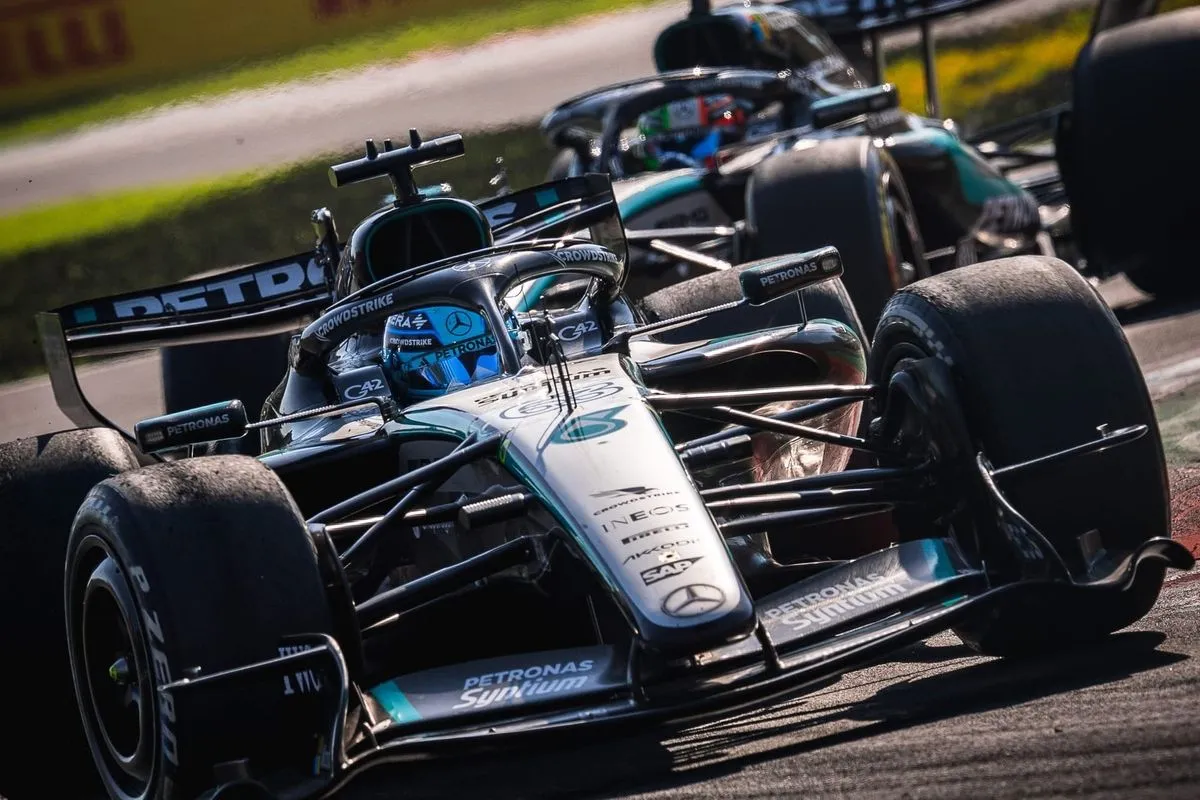
Mercedes delays the debut of its upgraded 2026 power unit beyond Austin, with Brazil now the likeliest first run after the ADUO review placed it over 2% behind Red Bull.
The ADUO framework allows in-season upgrades for underperforming engines. Mercedes qualified, but the planned Austin introduction is postponed while the package is finalised and validated.

This approach aligns with the team’s conservative risk profile, especially while leading both championships in 2026. That position reduces pressure to rush deployment during a tight triple-header.
George Russell’s Sepang failure forced a grid drop in Singapore. Another penalty is expected when he fits the ADUO engine upgrade, given component limits and allocation rules.
Russell is likely to take another grid penalty when the ADUO engine is installed.
Mexico is also set to be missed, placing Interlagos as the probable debut. Final timing depends on dyno results and track-to-bench correlation meeting targets.
Mercedes remains confident in its title prospects, a cushion that enables a measured rollout. That context underpins the decision to delay without undermining its current championship battle.
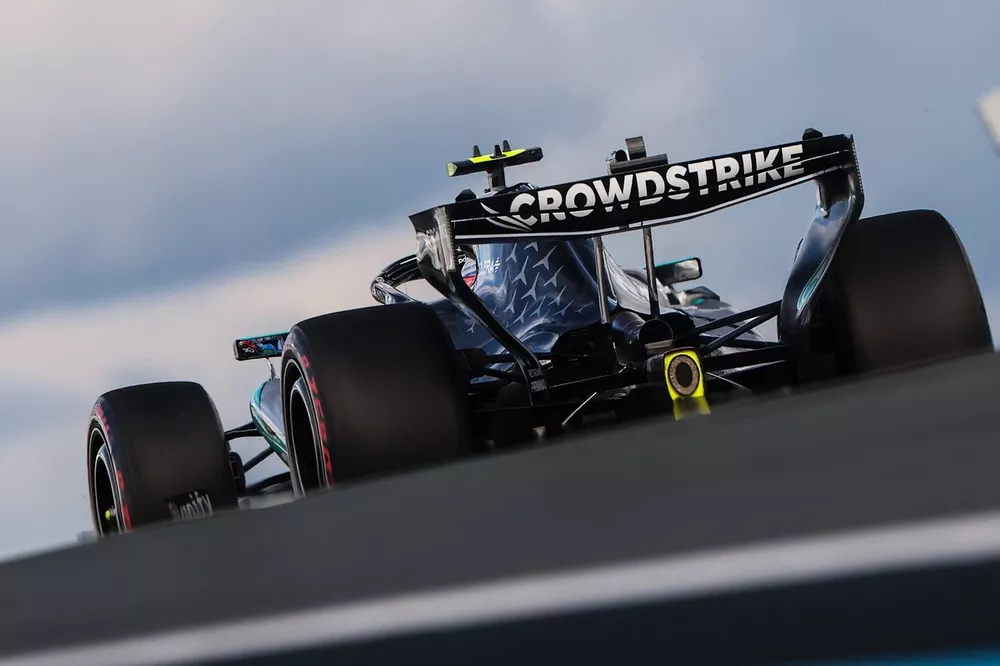
Alongside the engine plan, Mercedes will run the major Sepang-derived chassis upgrade on both cars from FP1 in Austin. The Singapore split-spec test produced the data needed to commit.
Both Mercedes drivers will run the upgraded chassis from first practice in Austin.
Late-season updates serve 2027 as much as 2026. Limited mileage can be decisive for winter direction, particularly around energy deployment and thermal efficiency targets.
The team stresses correlation as the key gate. Gains must be repeatable trackside before the upgrade forms the baseline for next year’s development strategy.
The ADUO assessment placed Mercedes more than 2% down on Red Bull, unlocking mid-season upgrade rights.
Interlagos is a logical venue to absorb penalties. Overtaking opportunities and variable conditions can offset grid drops, minimising the points impact of the first upgraded unit.
Mercedes frames this as strategic patience, pairing car and engine steps for compound gains. That mirrors its broader new F1 strategy and ongoing car and engine improvements programme.
Visual Summary
🇺🇸
Austin
Missed
🇲🇽
Mexico
Missed
🇧🇷
Brazil
Probable
New Engine Debut?
Mercedes ADUO Engine Power vs Red Bull
Engine Delayed, But Mercedes Still Dominates
Title favorites stay patient: Mercedes pushes back its 2026 power unit debut to Brazil 🇧🇷, chasing top speed gains for the championship run-in.
Late upgrades ≈ crucial data for 2027.
Late upgrades ≈ crucial data for 2027.
Strategic Caution: Only the right upgrade will do!

Daniel Miller reports on Formula 1 Grand Prix weekends with race-day analysis, team-radio highlights, and point-standings updates. He explains power-unit upgrades, aerodynamic developments, and driver rivalries in straightforward, SEO-friendly language for a global F1 audience.