

https://shop.fervogear.com/cart


Red Bull Reveals Two Crucial Focus Areas After Verstappen’s Strong Austin Start

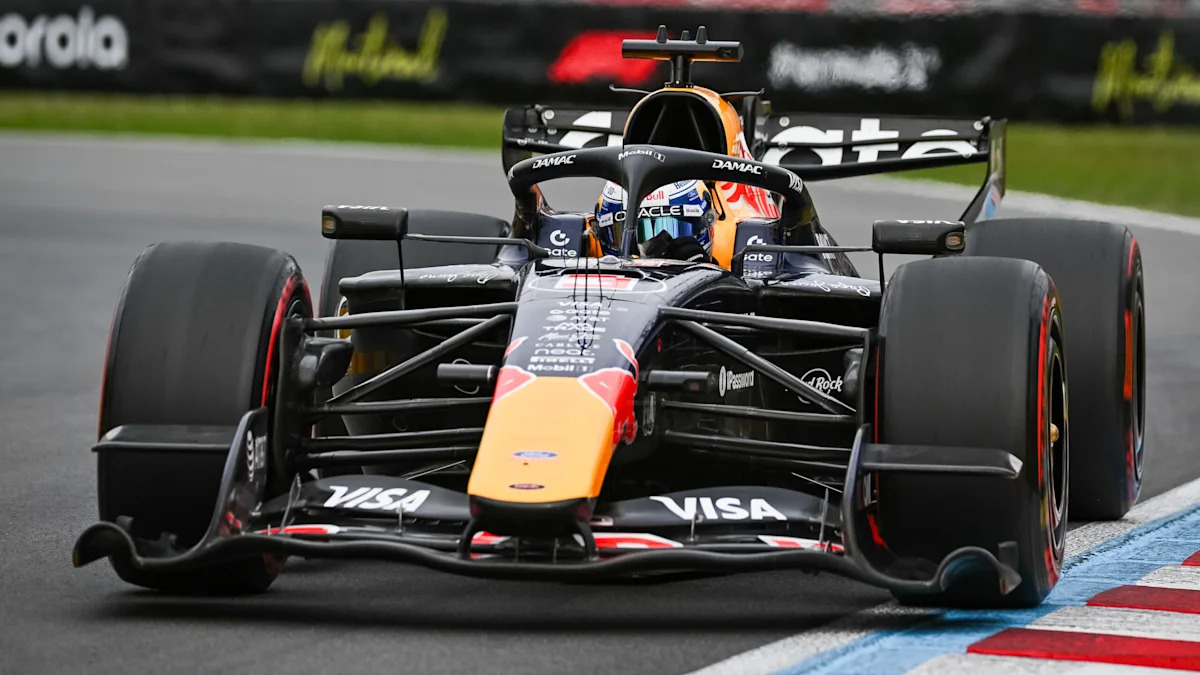
Highlights
- Max Verstappen finished second and third in US GP practice sessions
- Charles Leclerc led both sessions, beating Verstappen by under two-tenths
- Red Bull struggles with low-speed corners and bumpy track conditions
- Verstappen called Circuit of the Americas track surface “unacceptable”
- Technical director Waché prioritized low-speed performance and bump management
- Red Bull aims to improve balance and reduce car sensitivity before qualifying
Max Verstappen opens the United States Grand Prix weekend with second and third in Friday practice at Circuit of the Americas, trailing Charles Leclerc by under two-tenths.
Red Bull’s RB22 shows competitive baseline pace, though not at its Malaysia level. The team reads encouraging long-run signs while acknowledging Ferrari’s sharper one-lap execution.

The challenge is COTA’s mix of rapid sweeps and fiddly low-speed complexes, plus severe bumps unsettling braking and traction. Verstappen calls it a delicate balancing challenge across corner types.
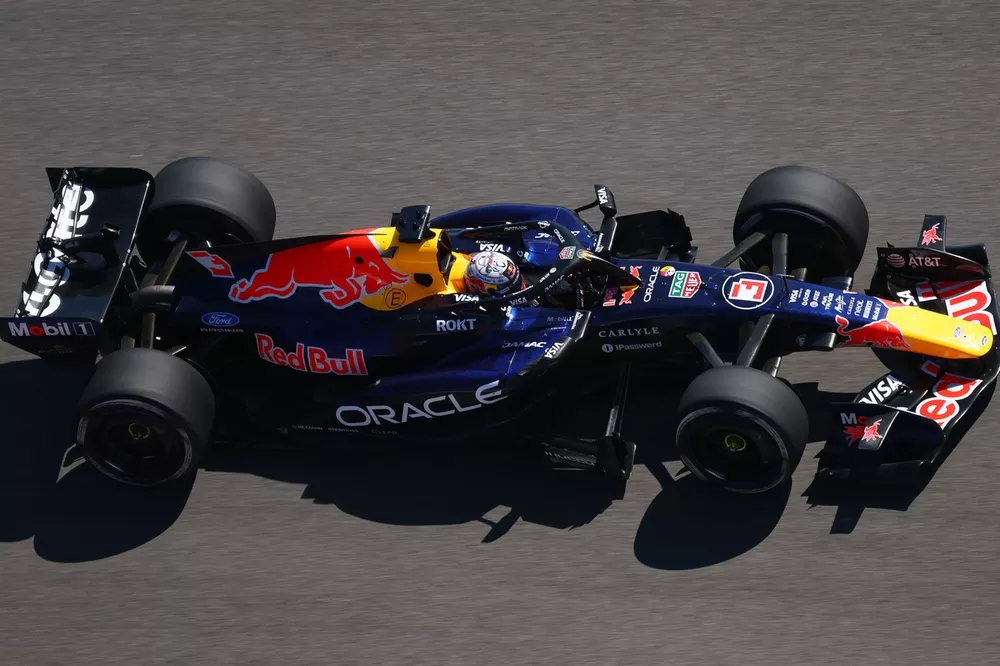
Verstappen labels the bumpy COTA surface “unacceptable” and “out of control.”
He criticises the surface as unacceptable, especially under heavy braking into Turn 1. The roughness compromises rhythm, makes the car skip, and punishes confidence on corner entry.
Technical director Pierre Waché outlines two priorities before qualifying: improve low-speed performance and manage bump-induced instability. Addressing both should broaden the setup window and reduce sensitivity.
Data shows Verstappen ceding time through Turns 12–16, where rotation and traction matter most. Conversely, the RB22 stays efficient in quicker sections and competitive at end of the back straight.
Waché pinpoints low-speed performance as Red Bull’s primary improvement area for qualifying.
Over bumps, the RB22 can porpoise on turn-in, notably at Turn 1. The stiffness-versus-compliance compromise remains tricky, making any setup gamble risky across a variable surface.
Suspension tweaks help marginally. Ground-effect cars run low to energise floors, then use straight-line aero modes to protect hardware. That stance magnifies bumps, hurting braking stability and cornering consistency.
Red Bull targets a calmer platform and broader balance window, aiming to reduce sensitivity before qualifying. Those efforts at Austin continue through final practice, as detailed in ongoing work trackside.
Low-speed rotation and bump management define Red Bull’s roadmap to close Ferrari’s slender advantage.
With gaps small, execution becomes decisive. Any overnight gains from Red Bull’s recent secret update could shift qualifying. Verstappen’s baseline looks solid; converting it depends on taming COTA’s worst imperfections.
Visual Summary
Leclerc
P1
Both Sessions Lead
1:36.480
Gap
0.173s
Close battle
Verstappen
P2 · P3
Always in Top 3
1:36.653
Slow Corners
Losing Time
to Rivals
to Rivals
Brutal Bumps
Car Unstable
on Entry
on Entry
Key Focus:
Balance & Stablity for Qualifying 🚦
Balance & Stablity for Qualifying 🚦
Red Bull Setup Progress
76%
“Getting closer, but not perfect yet.”

Daniel Miller reports on Formula 1 Grand Prix weekends with race-day analysis, team-radio highlights, and point-standings updates. He explains power-unit upgrades, aerodynamic developments, and driver rivalries in straightforward, SEO-friendly language for a global F1 audience.