https://shop.fervogear.com/cart

Oliver Rowland and Rivals Clash Over Strange Berlin Formula E Qualifying

Highlights
- Drivers used older tyres to qualify near rear in Berlin E-Prix
- Pascal Wehrlein described his pole as “unhappiest pole” ever
- Oliver Rowland agreed qualifying tactics pushed energy-saving too far
- Rowland qualified 18th, behind race winner Mitch Evans
- Teams debated tactic; Porsche chose traditional qualifying approach
- Upcoming Monaco E-Prix aims for more conventional qualifying battles
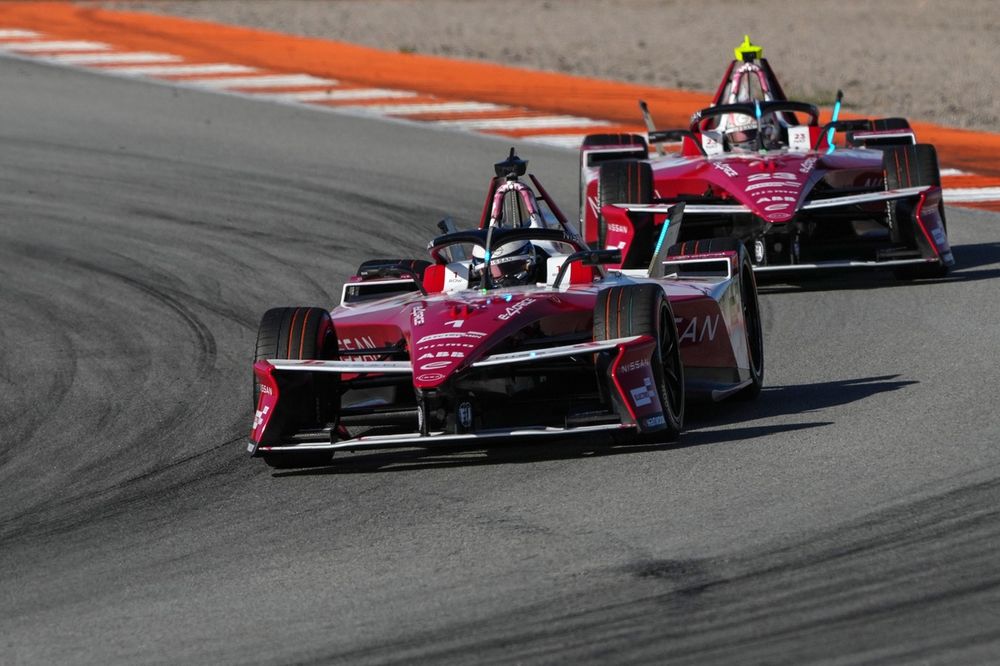
Oliver Rowland assesses the Berlin E-Prix qualifying that sees several drivers deliberately start deep on the grid to preserve fresh tyres for energy-critical races.
He aligns with Pascal Wehrlein, who labels his pole the “unhappiest pole,” arguing the tactics push the format beyond a sensible balance between speed and strategy.
Wehrlein secures pole on fresh tyres, but rivals bank race pace by conserving better rubber. In Berlin’s double-header, that trade-off proves decisive amid aggressive energy management.
The approach is legal, yet it challenges qualifying’s purpose. By design, some drivers avoid maximising performance, prioritising race elasticity over single-lap execution.
Rowland qualifies 18th, directly behind eventual winner Mitch Evans, who also sacrifices grid position to protect a tyre set for the peloton-style race.
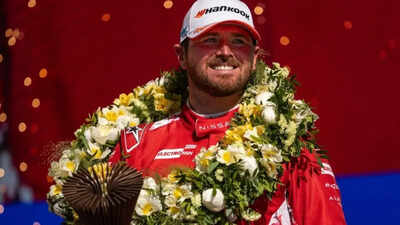
Pascal Wehrlein calls Berlin pole the “unhappiest pole” after rivals prioritise race tyres over qualifying pace.
Speaking to RacingNews365, Rowland says Berlin pushes energy-saving too far. He compares it to Formula 1 tyre banking, but argues Formula E amplifies the consequences.
He notes pole’s value diminishes under this calculus. Wehrlein’s three points for pole match Rowland’s race score, softening, but not erasing, the strategic distortion.
Rowland suggests removing pole points would shift incentives and reduce manipulation. He expects fewer repeats as teams recalibrate after Berlin’s unusual risk‑reward profile.
“If pole position points were removed, the situation would feel different.” — Oliver Rowland
Team discussions precede the call. Jaguar and Nissan embrace the tactic; Porsche resists and qualifies traditionally, reflecting differing tolerances for risk and race volatility.
Rowland describes unconventional briefings, where starting deeper sometimes appears safer. He says avoiding mid‑pack chaos can outweigh the upside of a marginally better grid slot.
“I would rather start last because it’s less risk and less trouble.” — Oliver Rowland
Berlin’s drafting trains and energy targets reward patience and timing. From the back, drivers dodge early duels, protect tyres, and attack once consumption profiles stabilise.
That dynamic reframes qualifying as a resource exercise rather than an outright speed test, a compromise many competitors view as counter to the series’ intent.
Attention now turns to Monaco, where track layout and execution usually prioritise classic qualifying performance. Teams anticipate a more conventional duel for grid position.
The episode underscores Formula E’s balancing act: embracing strategic nuance while preserving sporting clarity. Clearer incentive structures could temper extreme interpretations without stifling creativity.
Visual Summary
?
#1
#1
Wehrlein
?
#18
#18
Rowland
?
#20
#20
Evans
?
?
?
?
Qualifying Upside Down:
Berlin E-Prix rewards backward strategy
Speed takes a back seat to tyre saving
Berlin E-Prix rewards backward strategy
Speed takes a back seat to tyre saving
“Unhappiest Pole”
– Wehrlein
– Wehrlein
“I’d rather start last…”
Rowland on strange Berlin tactics
Rowland on strange Berlin tactics
3️⃣ = ?
Pole points = race points
Tyres > Pure speed?
→
All eyes on
Monaco E-Prix
??
Teams strategized backwards to win forwards.
Formula E wrestles with:
“Should qualifying test speed or strategy?”

Zane Muniz writes across NASCAR, IndyCar, F1, IMSA, NHRA, and dirt-racing news. His breaking-news alerts and event previews ensure motorsport fans never miss a lap, drift, or drag-strip showdown.