https://shop.fervogear.com/cart

Safety Car Sparks Shocking Crash in Dangerous On-Track Incident

Highlights
- Safety Car stopped abruptly on racing line during Russian F4 race
- Crash occurred at Moscow Raceway on May 18 with no major injuries
- Multiple young drivers involved in collision caused by Safety Car misplacement
- Race stopped and officials launched investigation into Safety Car error
- Incident raised concerns about safety protocols in lower-tier motorsport events
- Organizers plan to improve Safety Car procedures to prevent future accidents
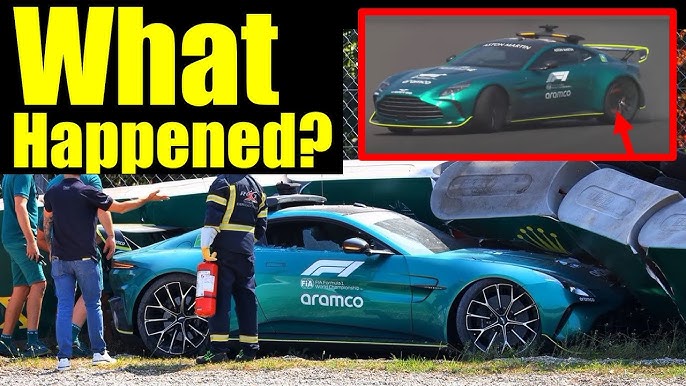
A Russian F4 race at Moscow Raceway on May 18 is red-flagged after the Safety Car unexpectedly stops on the racing line, triggering a multi-car collision.
No major injuries are reported, but the damage is significant. Stewards immediately open an investigation into Safety Car operations and event communication.

Safety Car halted on the racing line, causing a multi-car shunt.
Under normal procedure, the Safety Car collects the field at controlled speed, with boards and flags confirming status. Here, it re-enters and stops in a high-speed zone, creating an unavoidable hazard.
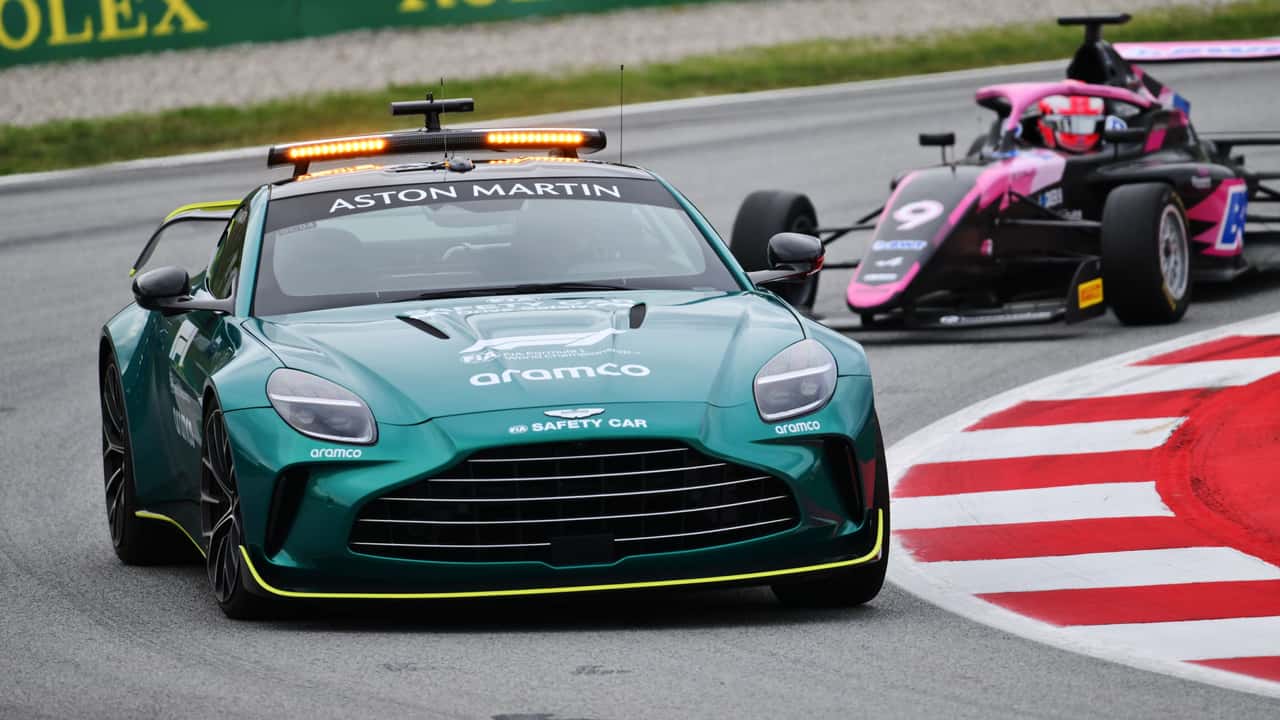
Approaching drivers have little warning and limited sightlines. With speed high and gaps compressed, reaction time is minimal, producing a stack-up that several cannot avoid.
Marshals respond quickly, deploying the red flag to neutralise the scene. Medical crews conduct precautionary checks while recovery teams clear damaged cars.
Incidents of this type typically stem from breakdowns between race control, the Safety Car crew, and marshal posts. Light signals, flags, and radio traffic must align precisely.
Officials have opened a formal inquiry into Safety Car procedures and event communications.
Regulations in junior series mirror FIA standards: the Safety Car must never become an obstacle. Stopping on the racing line represents a fundamental failure of risk management.
Beyond safety, there are competitive and financial consequences. Young drivers lose track time, face repair bills, and risk chassis changes that pressure already tight budgets.
Organisers commit to tightening protocols. Expect reinforced briefings, stricter re-entry procedures for the Safety Car, and clearer fallback options, including Virtual Safety Car phases when appropriate.
Event organisers plan immediate procedural updates to prevent repeat incidents.
The key is predictability. Drivers must trust that neutralisation tools reduce risk, not create it. That demands training, drills for Safety Car crews, and assertive control from race direction.
The series is set to continue with updated guidance once the inquiry reviews radio logs, onboards, and marshal reports. Accountability and clarity should follow, along with revised execution standards.
Visual Summary
Stopped on track!
?
Safety Car chaos stuns F4 grid
Moscow Raceway | 18 May
⚠️
Serious
near-miss
0 injuries
— but major scare
— but major scare
An investigation is underway after the Safety Car’s rare error caused multiple F4 cars to crash on the main straight.
? Protocols
under the microscope
Moscow’s F4 crash is a dramatic wake-up call: Safety cars must never become a hazard themselves.

Daniel Miller reports on Formula 1 Grand Prix weekends with race-day analysis, team-radio highlights, and point-standings updates. He explains power-unit upgrades, aerodynamic developments, and driver rivalries in straightforward, SEO-friendly language for a global F1 audience.