https://shop.fervogear.com/cart

Cadillac Reveals Bold F1 Move in Intensifying Battleground


Highlights
- Cadillac installs Dynisma DMG-360XY driving simulator in Indiana base
- Simulator features advanced LED wall and ultra-low latency technology
- CTO Nick Chester highlights simulator’s precision for vehicle development
- Simulator supports driver prep, setup work, and race-day performance
- New tech investment aligns with Cadillac’s 2026 Formula 1 growth plans
Cadillac will install Dynisma’s DMG-360XY driving simulator at its Indiana base, reinforcing its Formula 1 programme and targeting competitive gains ahead of the 2026 season.
The supplier’s links to leading teams such as Ferrari and McLaren underline Cadillac’s intent to accelerate development and reduce the performance gap to established rivals.

Cadillac selects Dynisma’s DMG-360XY to fast-track correlation, setup work, and driver preparation before the 2026 season.
Core hardware includes an advanced LED wall, ultra-low latency, and high bandwidth to deliver driver realism and repeatable results that align with on-track behaviour.
The motion platform translates five metres in both X and Y axes and offers unlimited yaw, enabling complex vehicle dynamics to be modelled with greater fidelity.
Chief technical officer Nick Chester frames the selection around precision, responsiveness, and realism to strengthen workflows from concept studies through to setup refinement.
Nick Chester: the simulator’s precision and responsiveness are central to building engineering capability and improving race-day execution.
Dynisma founder Ash Warne positions simulation as the link between driver feel and engineering decisions, stressing reliability and repeatability across development and event preparation.
That focus is vital under the cost cap and strict testing limits, where simulator correlation determines how efficiently updates translate to circuit performance.
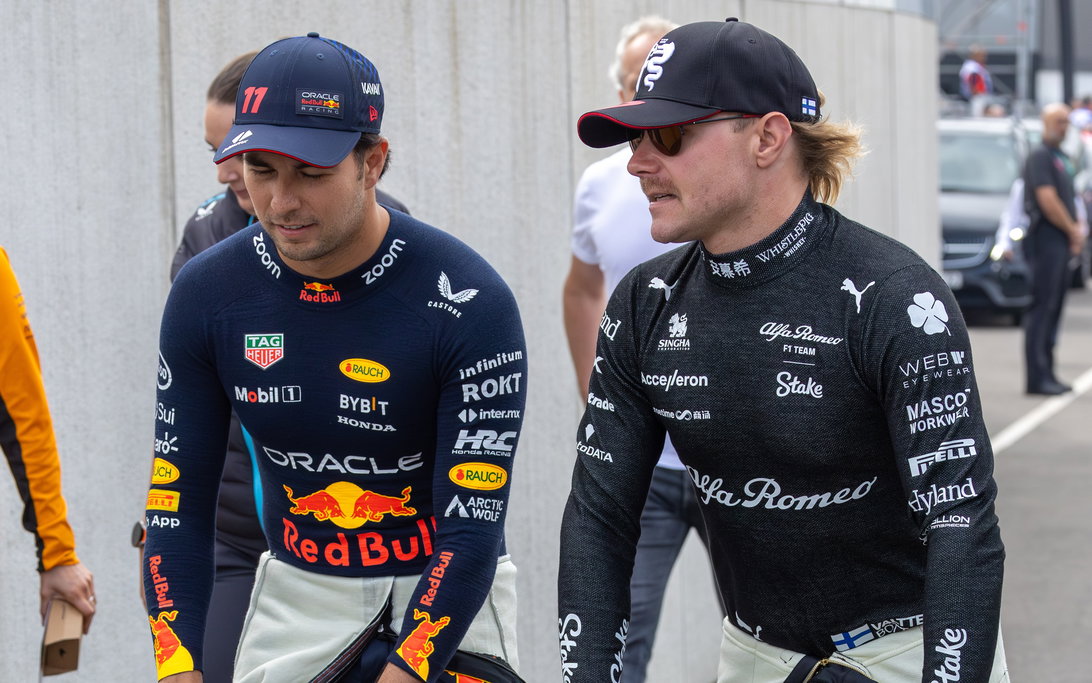
The investment supports Cadillac’s infrastructure build and recruitment drive, following its first F1 race and the ongoing expansion of its Indiana facility.
The platform delivers five metres of X/Y travel with unlimited yaw, plus an LED wall and ultra-low latency for high-fidelity driver feedback.
It also aids drivers after events that exposed operational pressure points, including weekends where Bottas blamed Cadillac amid fluctuating performance.
The programme’s trajectory overlaps with driver planning, particularly after reports around a potential Sergio Perez exit, making robust preparation tools essential regardless of final line-up.
Ultimately, competitive gains will hinge on model accuracy, data integration, and trackside execution, but the objective is clear: reduce uncertainty and sharpen race-day decisions.
Visual Summary
CADILLAC ACCELERATES INTO F1’S FUTURE
?️
DMG-360XY Simulator
5m X/Y range
LED Wall / Low-Latency
LED Wall / Low-Latency
?
Precision & Speed
Engineering Growth
Race Readiness
Race Readiness
Ambition
Preparing for 2026 F1
Cadillac’s investment in virtual simulation marks a turning point—bridging driver skill, engineering power, and ambition for F1 glory.

Daniel Miller reports on Formula 1 Grand Prix weekends with race-day analysis, team-radio highlights, and point-standings updates. He explains power-unit upgrades, aerodynamic developments, and driver rivalries in straightforward, SEO-friendly language for a global F1 audience.