https://shop.fervogear.com/cart

Mercedes Stuns with Lewis Hamilton-Nico Rosberg Suspension Review Revealed

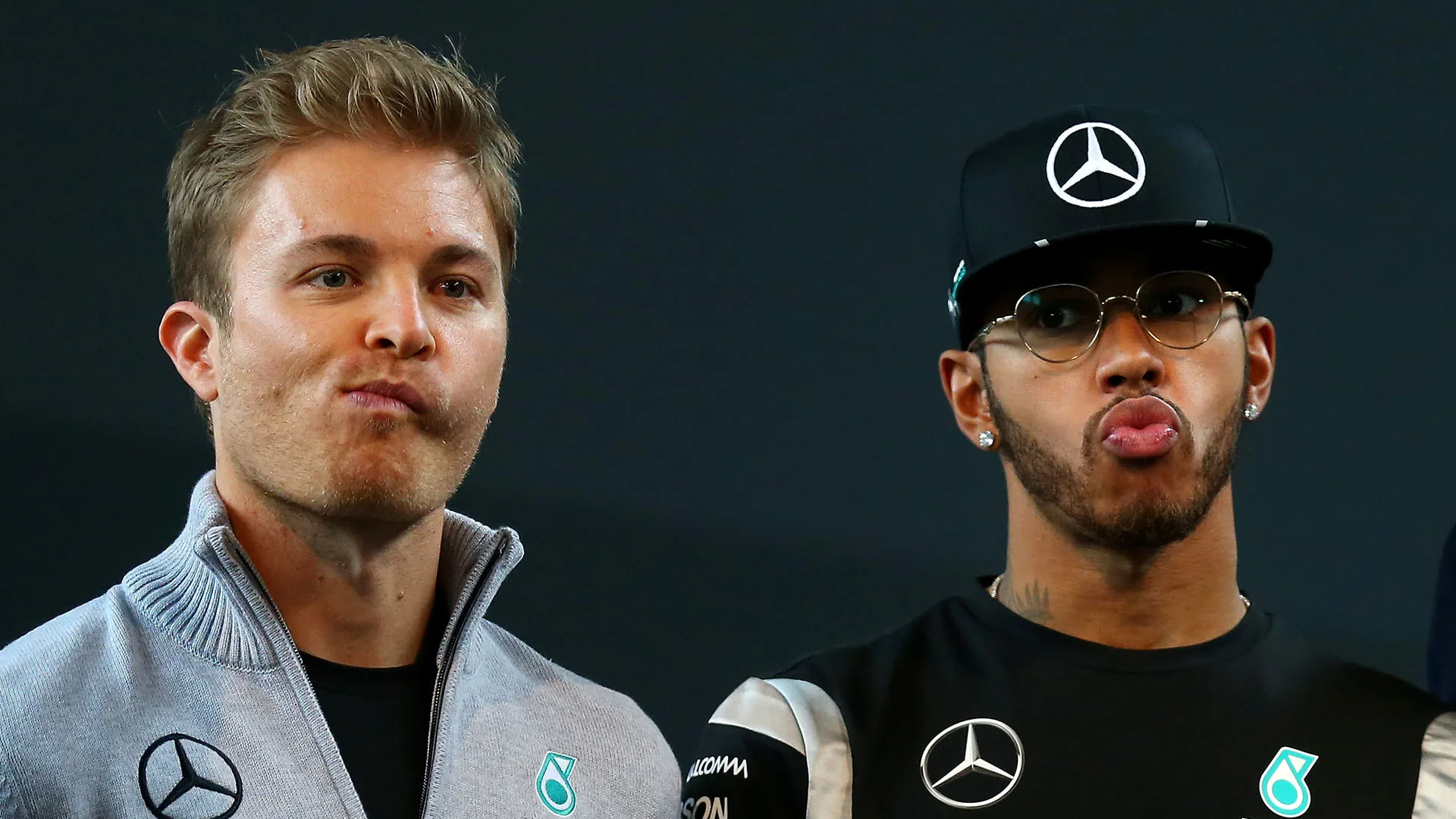
Highlights
- Hamilton and Rosberg collided at 2016 Spanish Grand Prix opening lap.
- Crash handed unexpected victory to 18-year-old Max Verstappen.
- Mercedes considered suspending both drivers after the collision incident.
- Drivers signed contract to share half of crash damage costs.
- Rosberg fined $360,000 under new contract rule later that season.
- Incident changed Mercedes’ management of driver rivalry and discipline.
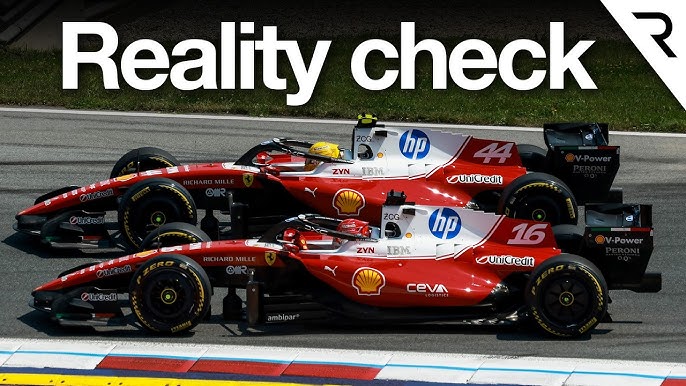
The opening lap of the 2016 Spanish Grand Prix delivers a seismic shock for Mercedes. Lewis Hamilton and Nico Rosberg collide between Turns 3 and 4, eliminating both cars.
The clash gifts Red Bull and 18-year-old Max Verstappen a landmark victory, while Mercedes absorbs a costly zero. It instantly reframes the team’s management of intra-garage risk.

Toto Wolff reacts firmly in the immediate debrief, challenging both drivers’ judgement. His focus is clear: avoid handing wins to rivals through preventable, internal conflicts.
Nico Rosberg later reveals Mercedes discusses suspending both drivers for one race as a deterrent. Wolff consults Mercedes-Benz chief Dieter Zetsche, seeking a credible disciplinary option.
Mercedes considers suspending both Hamilton and Rosberg for one race after Spain 2016 as a deterrent.
Ultimately, Mercedes chooses a contractual solution over suspensions. Both drivers sign an agreement to cover half of any crash damage, irrespective of fault or circumstance.
The financial stake swiftly bites. Rosberg receives a $360,000 fine later that season under the clause, reinforcing accountability and tempering marginal, high-risk racecraft.
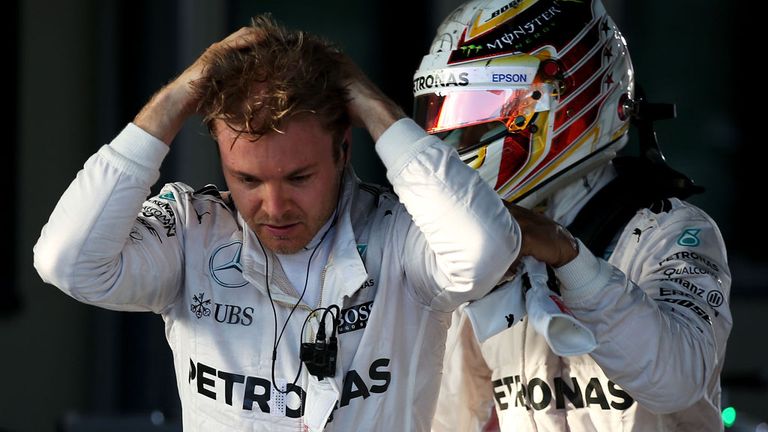
The policy aligns with Mercedes’ constructors-first posture. It protects points, discourages unilateral risk-taking, and preserves strategic flexibility without resorting to blanket team orders.
Both drivers agree to pay half of any crash damage, regardless of fault, to curb repeat incidents.
It also signals a clearer escalation ladder. Freedom to race remains, but repeated flashpoints now trigger defined consequences, from financial penalties to potential selection measures.
Spain 2016 underscores the competitive penalty of intra-team attrition. Red Bull’s opportunism through Verstappen’s win highlights how rivals convert Mercedes’ self-inflicted losses into momentum.
Personal dynamics matter too. The strain of title contention and Rosberg’s personal struggle intensifies decision-making, making robust governance essential during knife-edge campaigns.
The legacy endures in Mercedes’ present-day posture, including messages around George Russell and Kimi Antonelli. Competitive latitude is preserved, but the guardrails are unmistakable.
Rosberg incurs a $360,000 penalty later in 2016 under the new crash-liability clause.
Visual Summary
44
HAM
Lewis
HAM
Lewis
6
ROS
Nico
ROS
Nico
?
One Crash. Two Mercedes Out. Verstappen Makes F1 History.
Barcelona 2016: Team orders lost, rivalry explodes, and an 18-year-old wins.
?
Toto Wolff erupts, slamming his headset.
Mercedes reeling from disaster.
Mercedes reeling from disaster.
?
Secret talks of suspending both drivers.
No race ban—but the message is clear: No more wrecks.
No race ban—but the message is clear: No more wrecks.
?
New rule: crash = pay. $360,000 fine for Rosberg later that season.
Aggression now comes with a real price.
Aggression now comes with a real price.
Turning Point for Mercedes Rivalry
From open combat to contract clauses,
Mercedes learned: Intra-team battles can lose more than just a race.
Mercedes learned: Intra-team battles can lose more than just a race.

Daniel Miller reports on Formula 1 Grand Prix weekends with race-day analysis, team-radio highlights, and point-standings updates. He explains power-unit upgrades, aerodynamic developments, and driver rivalries in straightforward, SEO-friendly language for a global F1 audience.