
https://shop.fervogear.com/cart

Hungary Race Proves Aston Martin’s Powerful Return After Major Upgrades

Highlights
- Aston Martin showed clear progress at the Hungarian Grand Prix
- Upgraded AMR26 chassis package improved midfield competitiveness
- Lance Stroll suffered suspension failure in first practice session
- Fernando Alonso reached Q2 and qualified 16th position
- Both cars finished race 13th and 14th, improving reliability
- Honda testing power unit update ahead of next Zandvoort race
Aston Martin records a clear step forward at the Hungarian Grand Prix, rebounding from a bruising Spa. The upgraded AMR26 brings competitive midfield pace and improved reliability across the weekend.
Qualifying pace lifts the team ahead of Cadillac and Williams. Race execution then yields on-track passes on a Haas and an Alpine, halting a six‑month slide.

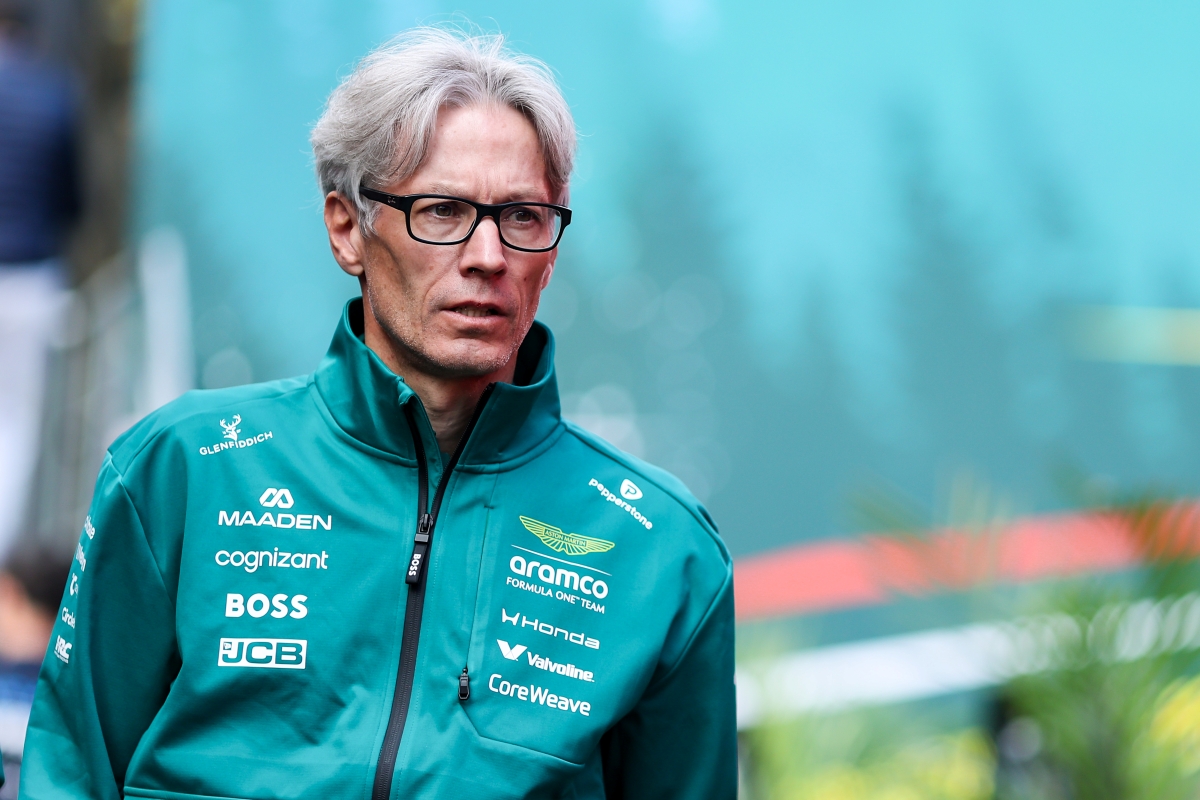
The objective, as chief trackside officer Mike Krack states, is straightforward: get back to racing. The upgraded chassis package meets expectations and underpins a usable, raceable balance.
The AMR26 behaves more consistently in the midfield window, improving tyre usage and execution margins. Krack cautions progress is incremental, but the data-to-track match finally trends positive.
Set-up work suffers on Friday when Lance Stroll’s suspension fails early in FP1, ending his running. That loss of mileage reduces understanding of the package’s limits.
Stroll’s FP1 suspension failure wipes out a full day of correlation and setup work.
Fernando Alonso carries the development load and reaches Q2, qualifying 16th. His run features in the latest analysis of Aston Martin’s upgrade.
With minimal practice, Stroll struggles in qualifying and ends 20th after a gust of wind unsettles the car. The lack of rhythm compounds the setback from FP1.
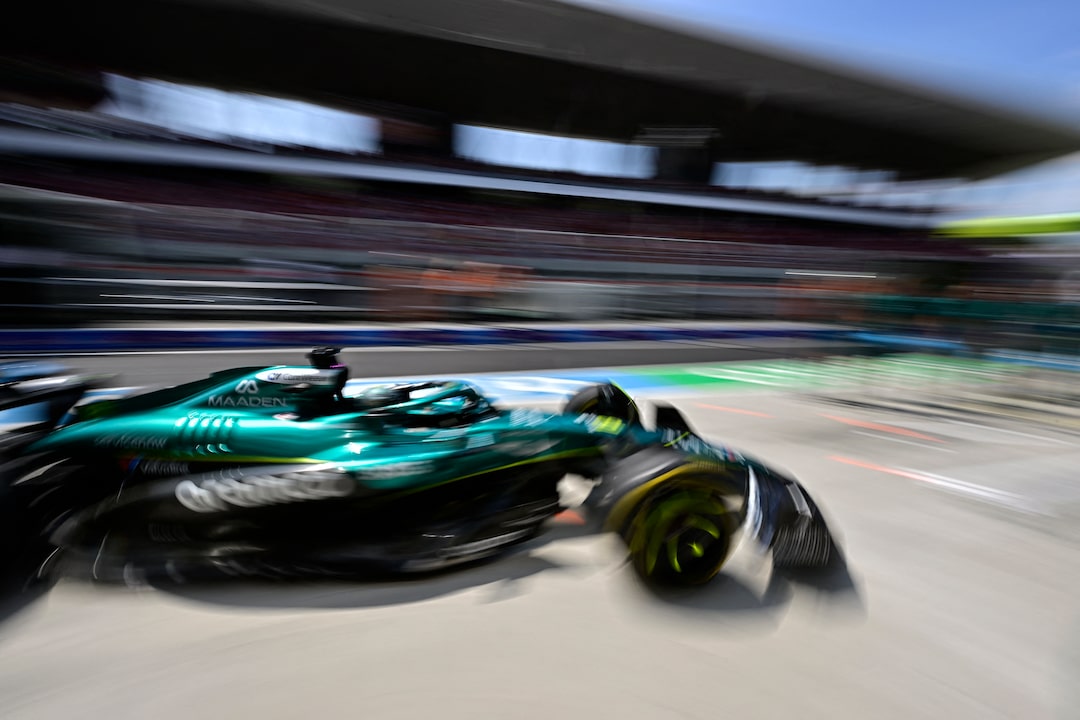
Both drivers start on softs, a common 2026 approach. Stroll pits on lap eight for clear air, while Alonso extends a 34‑lap first stint to leverage track position.
Alternative tyre offsets interplay well with energy deployment and grip, Krack notes.
The Virtual Safety Car for Oscar Piastri triggers late stops. Alonso loses track position to Stroll through that phase, reversing their earlier order.
Both cars reach the flag in 13th and 14th, a useful reliability marker after earlier mechanical issues. Finishing mileage matters for development and for validating upgrades.
Double finish in P13 and P14 supplies the correlation mileage Aston Martin needs to progress.
Work continues on drivability, energy management, and operational robustness. The aim is to stabilise performance across conditions, not chase one‑lap peaks.
Honda conducts power unit testing this week, with a potential deployment at Zandvoort. Any uplift could compound the chassis step, provided cooling and energy maps remain within targets.
Further aerodynamic upgrades are queued, though the team stresses measured expectations. Stroll’s lost practice time clouds evaluation, making Hungary’s dataset incomplete.
Talk of a broader B‑spec direction lingers, but Hungary’s improvement stems from correlation, not reinvention. The next sample at Zandvoort will clarify the true baseline.
For now, Aston Martin is back racing in the midfield. The step is tangible, the trend encouraging, and the development race very much alive.
Visual Summary
Aston Martin’s Leap Back
From back row at Spa to midfield in Hungary,
AMR26’s upgrades deliver hope—back in the fight, Hungary-style.
AMR26’s upgrades deliver hope—back in the fight, Hungary-style.
Last
Midfield
July 19: Spa
July 26: Hungary
July 26: Hungary
16
Alonso Q2 Start
Best in months
Alonso Q2 Start
Best in months
13
&
14
Both Cars Finished
Reliability Returns
DNF FP1
Stroll’s Suspension Failure
Stroll’s Suspension Failure
Key:
New chassis & aero upgrades = midfield leap.
Risky tire strategy, race reliability, and confidence returning.
Next up: Honda power unit test & more upgrades at Zandvoort.
New chassis & aero upgrades = midfield leap.
Risky tire strategy, race reliability, and confidence returning.
Next up: Honda power unit test & more upgrades at Zandvoort.
BACK RACING
🏁

Daniel Miller reports on Formula 1 Grand Prix weekends with race-day analysis, team-radio highlights, and point-standings updates. He explains power-unit upgrades, aerodynamic developments, and driver rivalries in straightforward, SEO-friendly language for a global F1 audience.