
https://shop.fervogear.com/cart

FIA Points to Manufacturer Pushback for F1 2026 Challenges

Highlights
- FIA blames manufacturer resistance for delayed 2026 rule changes.
- Drivers criticized FIA for not anticipating energy limit issues.
- Power Unit Advisory Committee required four of five manufacturers’ approval.
- Emergency changes began at Miami Grand Prix to improve competitiveness.
- Power split to shift from 50/50 to 60/40 by 2028.
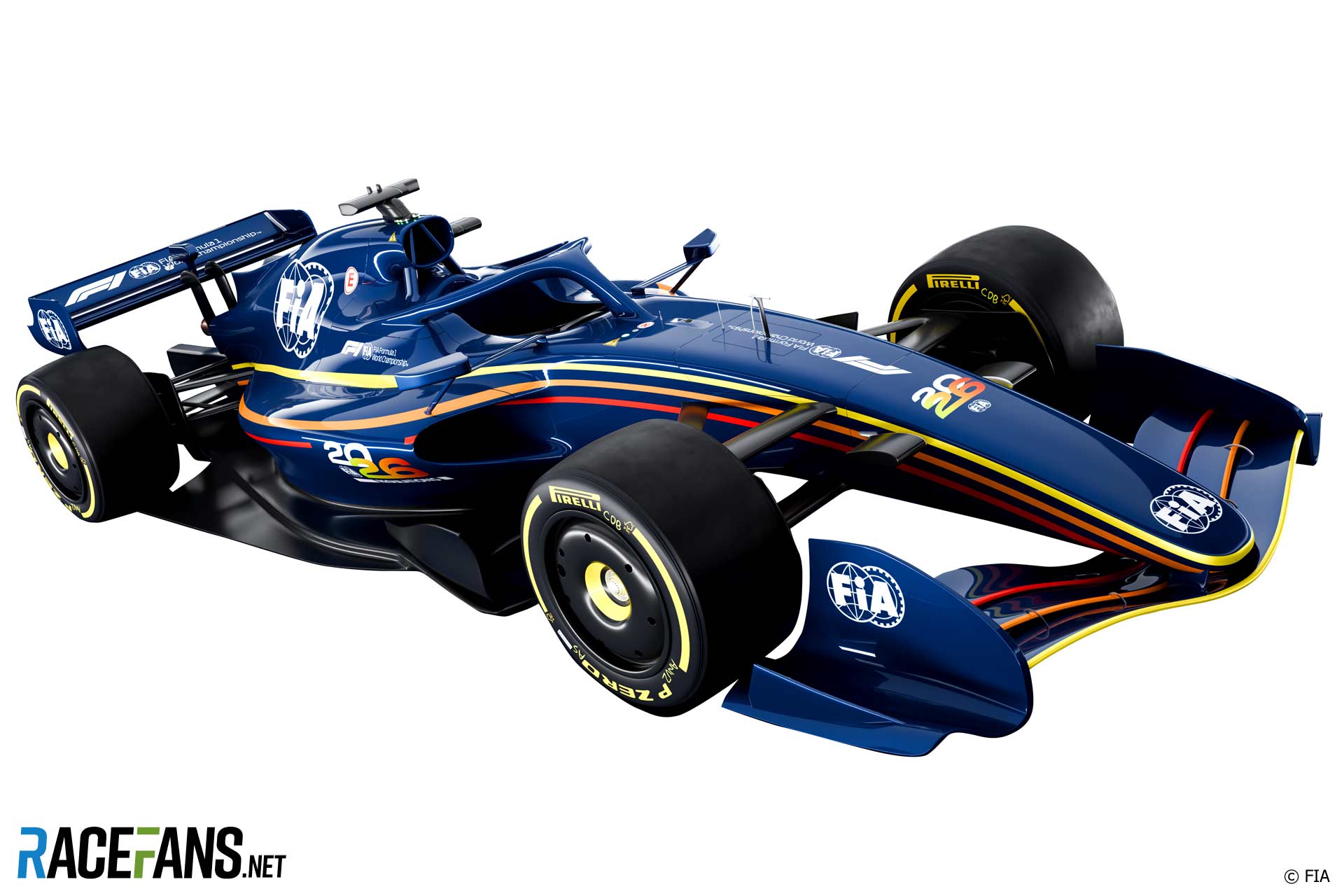
The FIA defends its handling of Formula 1’s 2026 rules, arguing manufacturer resistance delays fixes after drivers criticize energy limits and racing quality, particularly following the Belgian Grand Prix.
The governing body says it anticipates issues before the season, seeks early adjustments, but fails to secure approval under F1’s governance thresholds.

Single-seater director Nikolas Tombazis cites the Power Unit Advisory Committee, which requires the FIA, FOM, and at least four of five manufacturers to ratify major changes.
Major changes required agreement by the FIA, FOM, and four of five manufacturers.
Drivers push back. Grand Prix Drivers’ Association director Carlos Sainz says 2022‑23 simulations should have triggered alarms. Lewis Hamilton also questions the impact on car performance and race quality.
Sainz and Hamilton lead driver criticism, arguing simulations flagged the energy shortfall early.
An early-2026 proposal to reduce race energy deployment appears, but it fails to meet the approval bar and is rejected.
Tombazis accepts the frustration but stresses the limitations built into the 2026 power unit agreement, which aims to safeguard fairness for incumbents and new entrants.
New manufacturers face strict cost and operational limits. The governance model prevents opportunistic gains but inevitably slows iterative regulation.
Because consensus proves elusive, updates cannot land before the season. The sport confronts issues on track, and Formula 1 introduces emergency steps on energy management from the Miami Grand Prix.
Those mid-season tweaks target drivability and competitiveness, while a longer-term plan shifts the power split from 50/50 ICE‑ERS toward 60/40 by 2028.
Power split moves from 50/50 ICE‑ERS to 60/40 by 2028 to rebalance performance.
Tombazis argues the spectacle remains credible. One manufacturer often leads, yet races feature close battles and position changes across stints and strategies.
Recent 2026 season stats support that picture, alongside evolving teammate qualifying trends that underline tight intra-team margins.
The FIA continues to engage drivers and teams, seeking a balance between technical equity, manufacturer stability, and the entertainment standard expected of modern Formula 1.
Visual Summary
FIA
Wanted changes
⚙️
⚙️
Manufacturers
Blocked changes
🛑
🛑
😠
“We warned them!”
“We warned them!”
“Racing lost its spark”
– Carlos Sainz, Lewis Hamilton, and drivers
2022/23
Simulations
Simulations
2024-25
Attempts blocked
Attempts blocked
2026 Season
Problems emerge
Problems emerge
May 2026
Emergency fixes
Emergency fixes
2028 Plan
60/40 Power Split
60/40 Power Split
7
different race leaders in 11 rounds
different race leaders in 11 rounds
Racing remains tight despite setbacks
Power plays, governance bottlenecks,
and driver voices keep F1 evolving.
The rules of racing are as fierce as the racing itself.
and driver voices keep F1 evolving.
The rules of racing are as fierce as the racing itself.

Daniel Miller reports on Formula 1 Grand Prix weekends with race-day analysis, team-radio highlights, and point-standings updates. He explains power-unit upgrades, aerodynamic developments, and driver rivalries in straightforward, SEO-friendly language for a global F1 audience.