

https://shop.fervogear.com/cart

McLaren Highlights Vital Improvement Area as New Upgrades Revealed

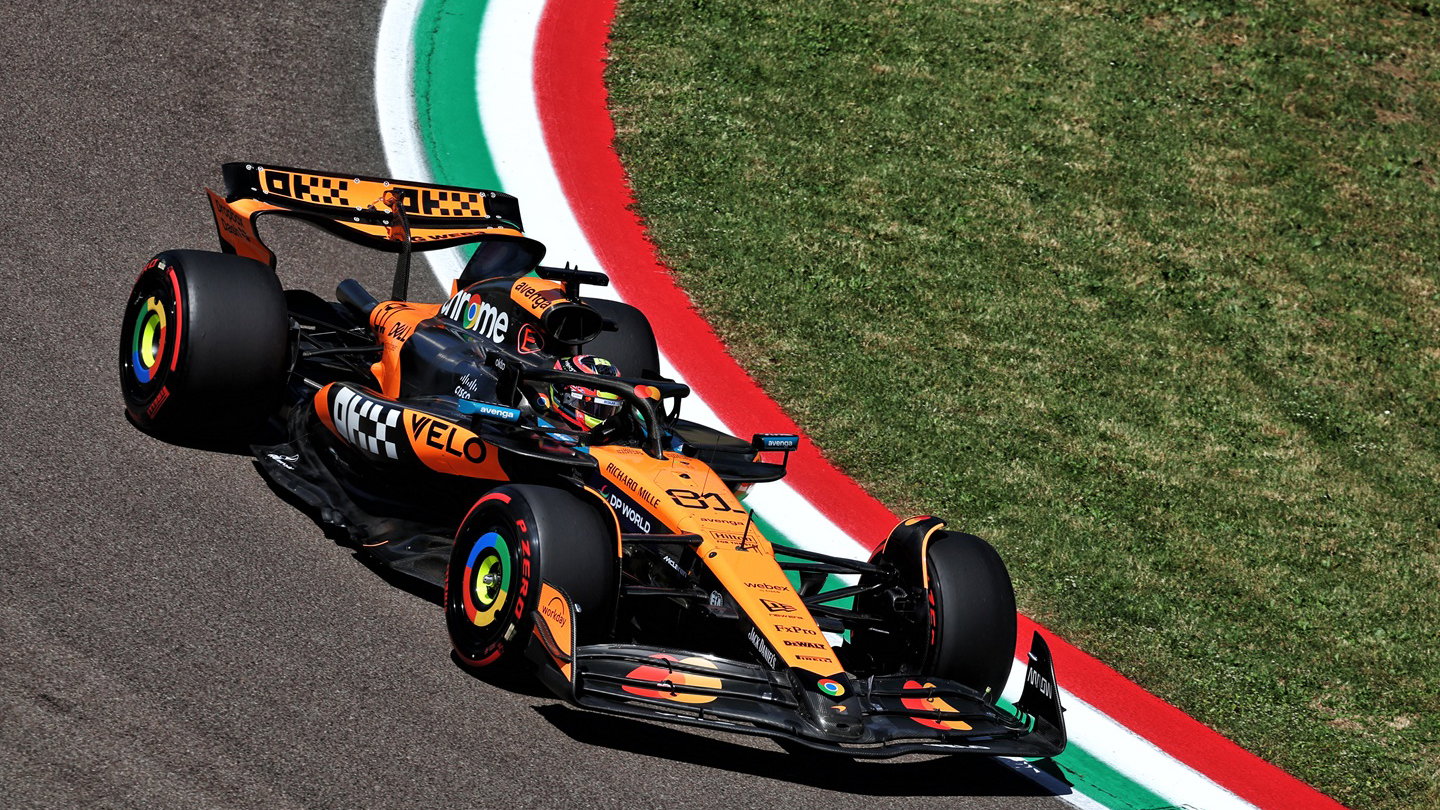
Highlights
- Lando Norris won Hungary GP, McLaren’s first 2026 victory.
- Oscar Piastri led early but retired due to mechanical failure.
- Major upgrade package improved straight-line speed at Hungary GP.
- McLaren still struggles with low-speed corner performance.
- Additional upgrades planned for upcoming races post-Hungary GP.
- Next key races: Dutch GP (August 23) and Italian GP (September 6).
McLaren converts recent progress into a headline result in Hungary, where Lando Norris wins on August 10, delivering the team’s first 2026 victory and validating a rapidly evolving upgrade programme.
Oscar Piastri leads early and shows the car’s baseline speed before retiring with a mechanical issue, underlining that McLaren’s gains are structural rather than driver-specific.

Norris’s Hungary win on August 10 delivers McLaren’s first victory of 2026 and validates recent development direction.
At the Hungaroring, a major upgrade package improves drag-to-downforce efficiency, boosts straight-line speed, and lets strategy lean on overtaking rather than undercuts.
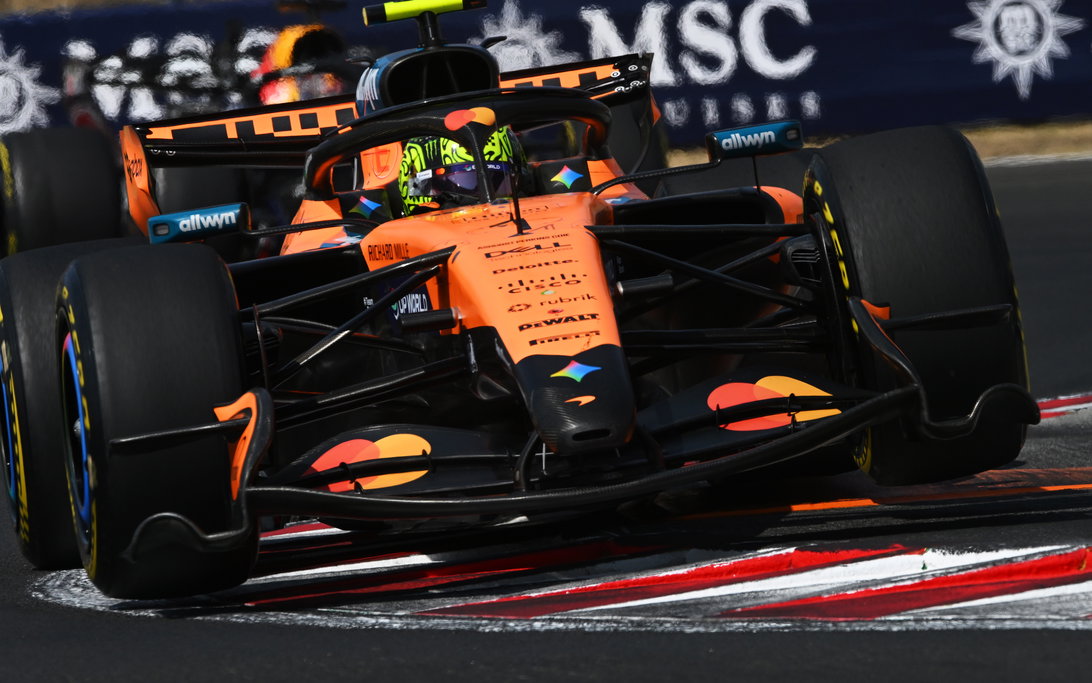
Team principal Andrea Stella stresses a persistent weakness in low-speed corners, where mechanical grip, platform control, and aerodynamic stability still leave lap time on the table.
Stella identifies low-speed corners as McLaren’s key limitation despite Hungary’s straight-line gains.
Straight-line strength also benefits from the efficient HPP power unit, but McLaren’s next steps hinge on translating braking-phase consistency and rotation into better traction through tighter complexes.
The Hungary step narrows the gap to Ferrari, with McLaren now a more credible reference on race pace and tyre management across stints.
Stella frames Hungary as phase one of a staged development plan, echoing recent management insights, with parts due over coming rounds to manage risk, validate correlation, and layer performance.
Additional upgrades are scheduled over the next rounds as part of McLaren’s staged development plan.
Circuit profiles now become decisive. Zandvoort punishes instability through prolonged loaded phases, while Monza stresses efficiency and braking, creating a clear audit of McLaren’s straight-line edge versus low-speed limitation.
Norris’s win supplies a timely morale lift, while Piastri’s early lead confirms the platform’s baseline pace and reduces reliance on safety-car variance or track-position lotteries.
The low-speed focus suits the current regulatory window, where floor sensitivity and braking stability dictate tyre usage, and reflects McLaren’s evolving interpretations of recent rules impact.
Visual Summary
🏆 Norris Wins Hungary!
First McLaren victory of 2026 — Upgrades Ignite Hope
🚦
🛠️
🏁
The McLaren Momentum Shift
Piastri leads
(then retires)
(then retires)
Major Upgrades 🔧
Norris Victory
🔥 Powered up in the straights
Major step forward vs Ferrari
HPP engine advantage
Progress
⚠️ Still slow in tight bends
Low-speed corner weakness
Next upgrades coming
🏟️ Next Races:
Dutch GP (Aug 23) ·
Italian GP (Sep 6)
Dutch GP (Aug 23) ·
Italian GP (Sep 6)
Can McLaren sustain straight-line strength and fix cornering to stay with the front-runners?
↑
Momentum

Daniel Miller reports on Formula 1 Grand Prix weekends with race-day analysis, team-radio highlights, and point-standings updates. He explains power-unit upgrades, aerodynamic developments, and driver rivalries in straightforward, SEO-friendly language for a global F1 audience.