

https://shop.fervogear.com/cart

Lance Stroll’s Huge Aston Martin Claim Rocks Team History

Highlights
- Aston Martin’s Hungary upgrade was their largest team advancement ever.
- The 16-component B-spec package included chassis and aerodynamic overhauls.
- Hungary upgrade improved qualifying pace by an estimated 1.4 to 1.8 seconds.
- Honda to debut upgraded internal combustion engine at Dutch Grand Prix.
- Power upgrade could add 30-50 horsepower to Aston Martin cars.
- Team aims to build on progress despite ongoing power unit challenges.
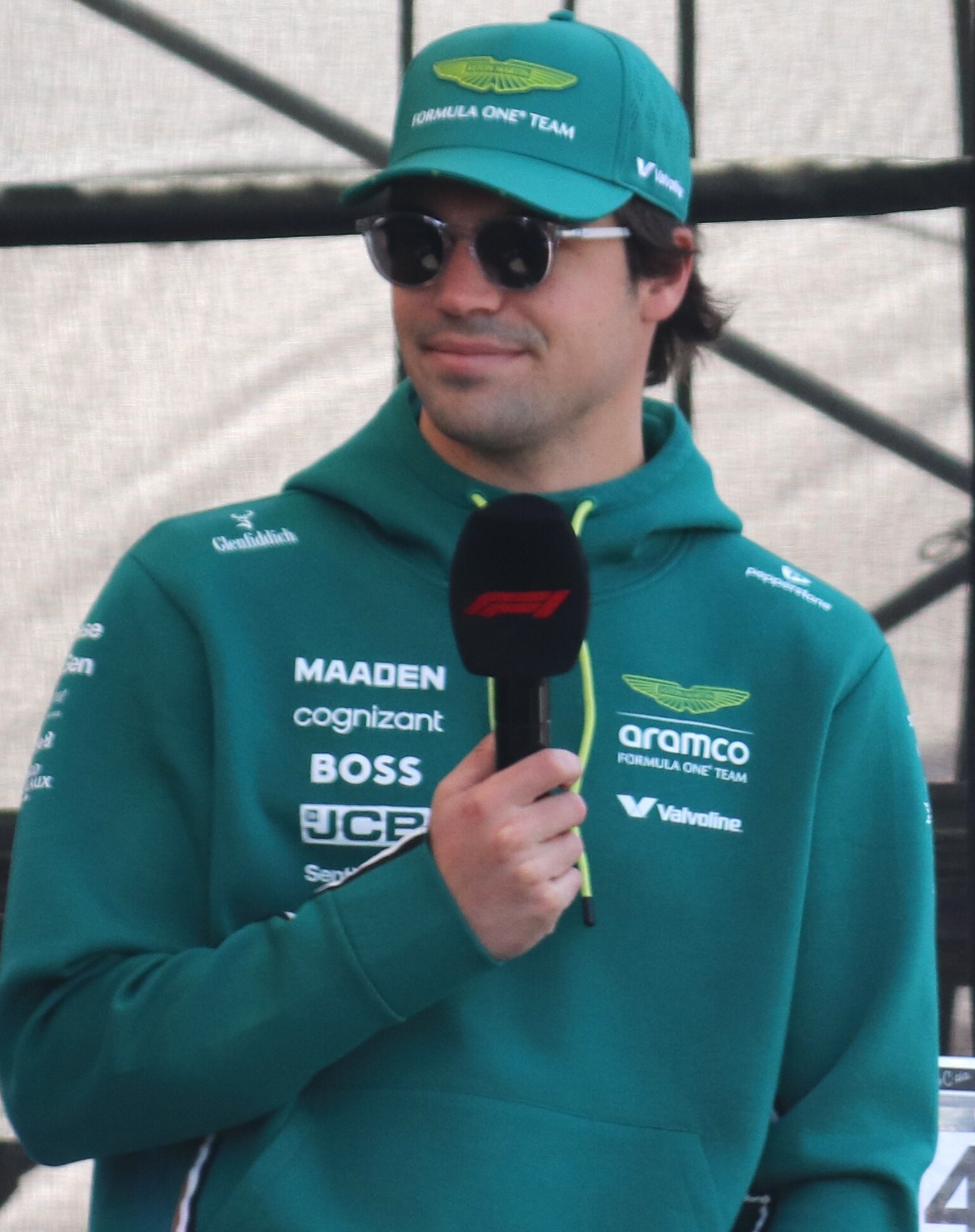
Lance Stroll says Aston Martin’s Hungary upgrade is the team’s biggest step yet, delivered at the Hungaroring after an 11‑race run that yielded only one point.
The B‑spec package marks a reset in direction and expectation. Qualifying pace improves significantly, even if the race in Budapest still ends outside the points for both drivers.

A lighter, re‑homologated chassis and gearbox headline 16 changes. The aerodynamic suite covers nose, front wing, floor, diffuser, sidepods, engine cover, and rear wing, pointing to a near‑clean‑sheet approach.
The Hungary B‑spec features 16 components, including a lighter, re‑homologated chassis and gearbox.
Independent estimates suggest a 1.4 to 1.8‑second qualifying gain per lap. Aston Martin does not confirm the number, but the trend is clear on low‑fuel pace.
Results lag the pace step. Stroll and Fernando Alonso finish 13th and 14th, yet confidence rises after a start blunted by battery‑related reliability and a fundamental performance shortfall.
Independent estimates put the Hungary qualifying gain at 1.4–1.8s per lap.
Stroll frames the team as back in the midfield contest, not leading it. The ask now is straightforward: add downforce efficiently and unlock more power from the package.
That focus shifts to Zandvoort. Under the ADUO framework, Honda introduces an upgraded internal‑combustion engine, targeting higher combustion efficiency and lower internal friction for Aston Martin.
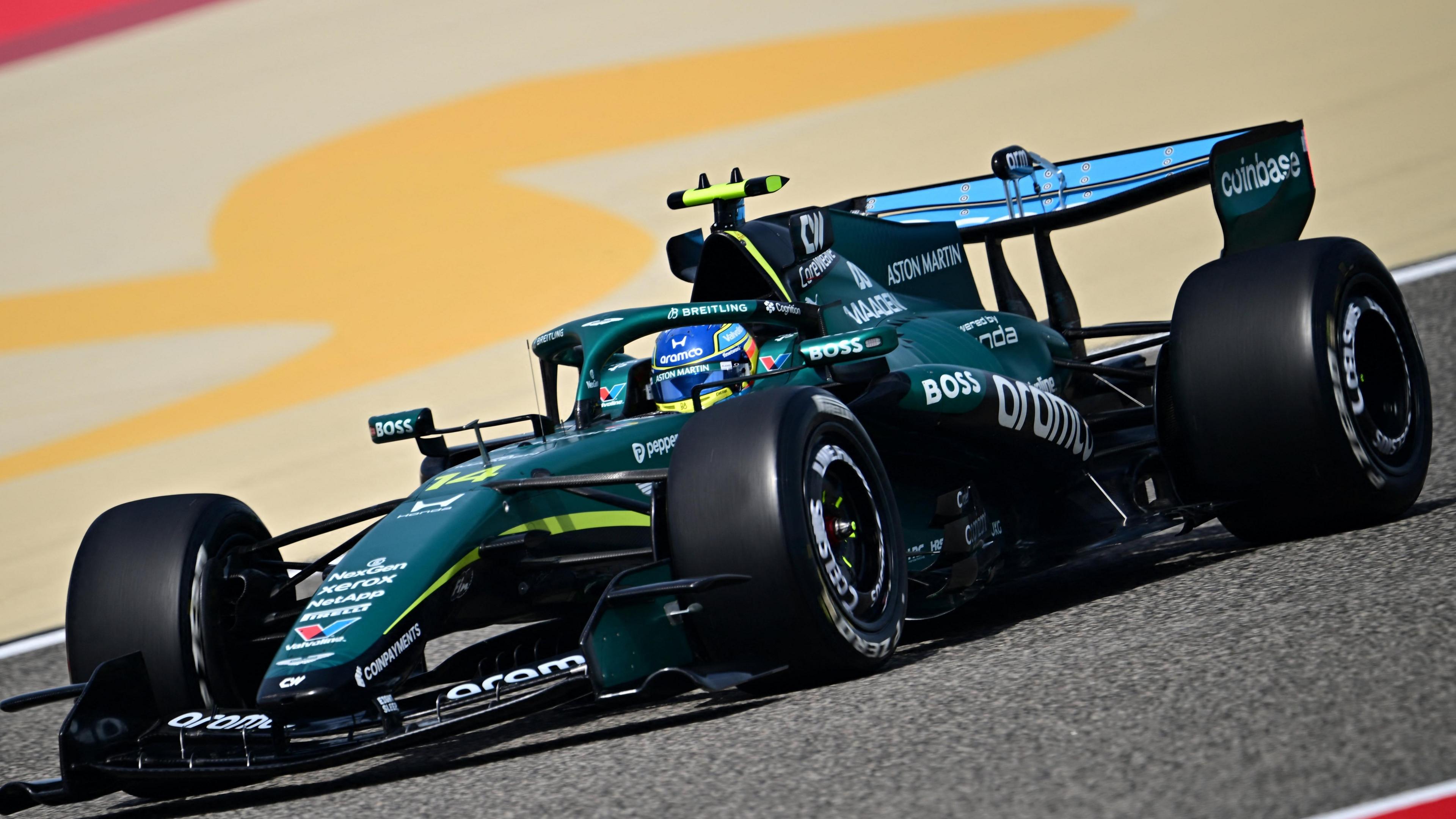
Honda’s Zandvoort ICE upgrade is tipped to add 30–50 horsepower under ADUO.
Reports indicate a 30 to 50‑horsepower uplift. That should compress deficits on power‑sensitive sections, though outright parity with front‑runners remains unlikely on tracks like Baku and Monza.
Track characteristics will dictate competitiveness. The current car appears stronger through sequences that prize mechanical grip and traction, with less payoff on long straights.
Further detail on the design direction features in recent analysis of the Aston Martin upgrade, including how the floor and rear wing changes interact aerodynamically.
Alonso’s perspective on the changes, and set‑up trade‑offs, adds context to the team’s development path via his assessment.
The response across the paddock has been cautiously positive, with recent praise stressing the scale of the weight reduction and concept shift.
Budapest also provided a correlation checkpoint, reinforcing the sense Aston Martin is on the way back, even if the points column has not caught up.
The next races must show the ICE step integrates cleanly with the chassis. If it does, Aston Martin’s recovery gains credibility and a pathway back to regular points.
Visual Summary
UPGRADE!
🚀
🚀
+1.5s/lap* Avg. Qualifying Gain
16 New Components
+30-50hp? Engine Upgrade Next!
Aston Martin’s Big Leap:
From backmarker to battler. After months in the shadows, a radical B-spec launch propels Aston Martin into the midfield fight—fast, bold, and hungry for more. The track to the top just got shorter but steeper.
Next stop: Zandvoort ⏩ new Honda power. Is a new era about to ignite?
*Unofficial figures; improvement estimated by independent analysis.

Daniel Miller reports on Formula 1 Grand Prix weekends with race-day analysis, team-radio highlights, and point-standings updates. He explains power-unit upgrades, aerodynamic developments, and driver rivalries in straightforward, SEO-friendly language for a global F1 audience.