
https://shop.fervogear.com/cart

Can Spending More Solve McLaren’s Power Unit Problems?

Highlights
- McLaren struggles to match Mercedes’ 2026 Formula 1 power unit performance.
- Technical discussions ongoing between McLaren and Mercedes High Performance Powertrains.
- Differences linked to spending, IP, and limited access to simulation tools.
- McLaren lacks control over final power unit design decisions.
- Short timelines challenge McLaren’s ability to adjust power unit configurations.
- Efforts underway to strengthen McLaren’s power unit performance team.
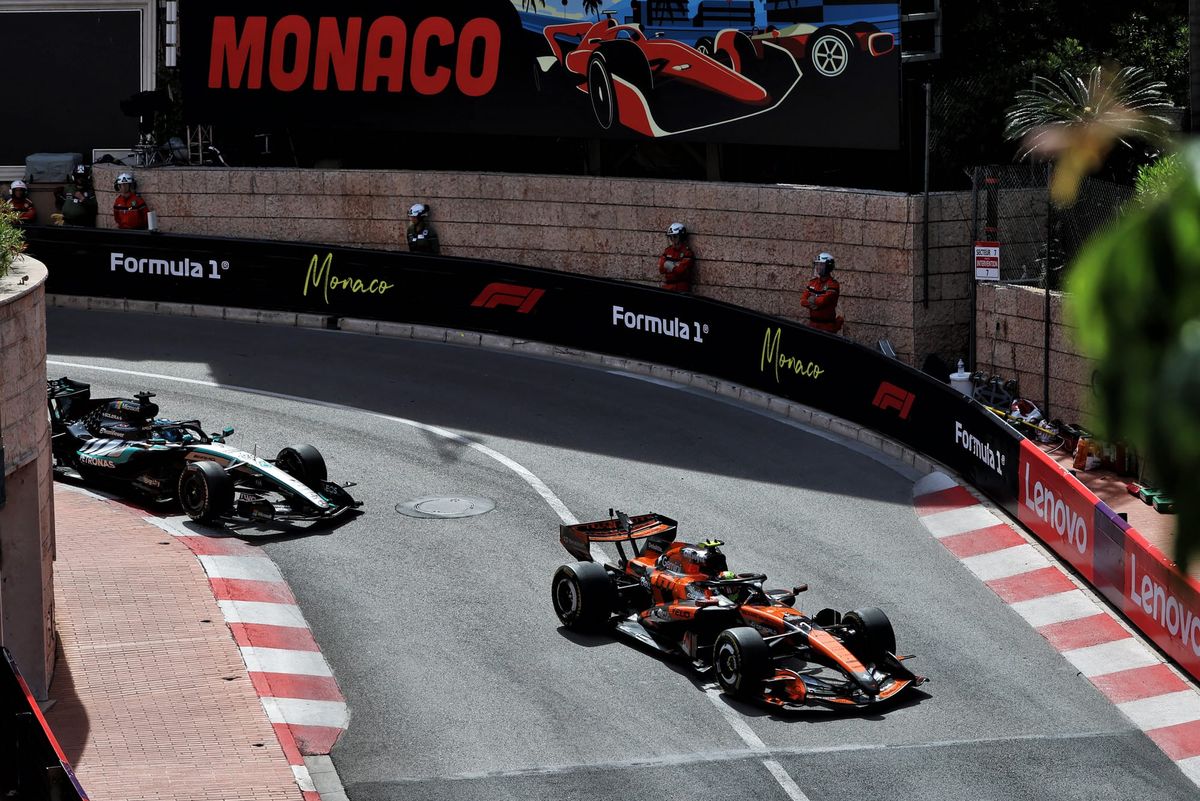
Mercedes has outlined why customer team McLaren cannot fully exploit its 2026 Formula 1 power unit, a season-long disparity that keeps the works cars ahead despite shared hardware.
Andrea Stella says discussions with Mercedes High Performance Powertrains continue. He praises the unit’s potential, but stresses operational details decide lap time and qualifying deployment.

Straight-line speed questions persist even after accounting for lower drag. McLaren also opted for shorter gear ratios early, informed by initial Mercedes data, diverging from the works specification.
Deputy team principal Bradley Lord frames the gap around spending and intellectual property, not preferential treatment. He says support complies with contracts and current technical governance.
Key simulation tools are jointly developed by Mercedes’ race team and HPP to model power unit and chassis interaction. IP limits restrict sharing, constraining how customers integrate the package.
Certain Mercedes–HPP simulation tools cannot be shared due to IP restrictions.
Customers must invest cost‑cap resource to build equivalent tools. That spend shapes how quickly they exploit energy deployment, as outlined in the Mercedes F1 midseason review, under the complex 2026 regulations.
McLaren performance chief Mark Temple adds the team can advise on design and installation, but final calls rest with the works squad. Operating outside the main loop limits available configurations.
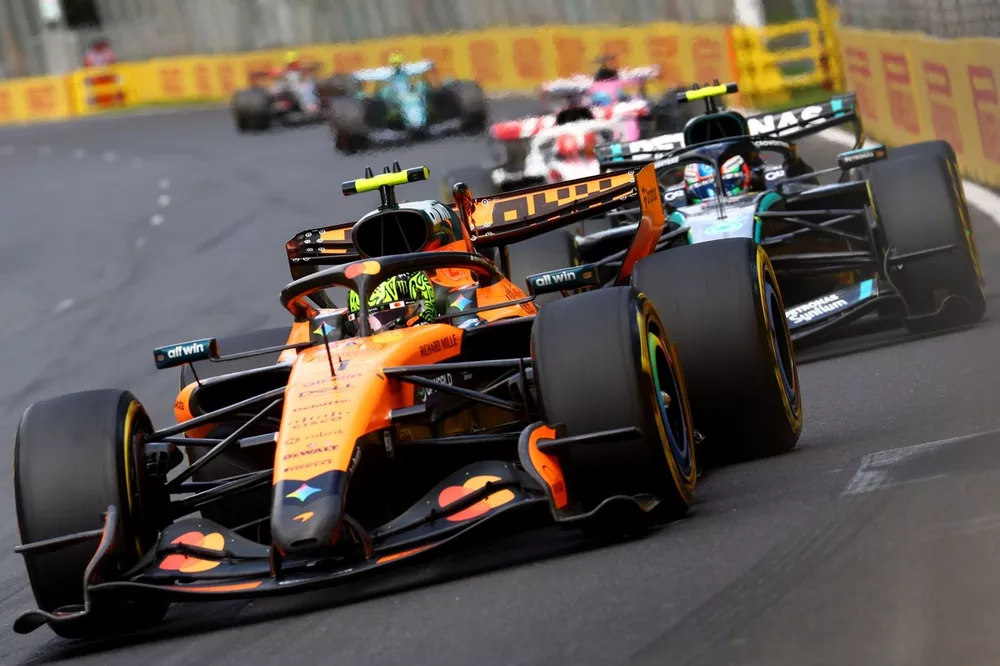
Update timelines are short. McLaren often receives little time to respond, while simultaneously building a dedicated power unit performance group to accelerate decision-making and validation.
For each event, HPP supplies several configuration options derived from simulations. McLaren verifies them with its own models, factoring wind, grip, fuel load, and predicted deployment windows.
McLaren does not control final power unit decisions; Mercedes’ factory team does.
Software differences and modelling philosophies persist between camps. The combined aim remains to present the race engineers with the most robust mode recommendations for each stint.
Context sharpens the picture. McLaren outscored Mercedes under the previous rules last year, yet Mercedes now leads by 159 points despite Lando Norris’s Hungary surge, and its upgrade plan.
The lesson is clear. Possessing competitive hardware is insufficient without the right tools, timely information, and configuration authority to extract peak performance across qualifying and race stints.
Having the same power unit does not guarantee the same performance.
McLaren targets process gains and deeper collaboration to close the delta through 2026. Managing deployment, reliability, and potential grid penalties will define whether the gap narrows before season end.
Visual Summary
🏆
Mercedes
Factory
Factory
⏳
McLaren
Customer
Customer
Simulation
Tools
+159pts
Mercedes leads 2026
Constructors by 159
Constructors by 159
Access Gap
McLaren’s PU
tuned late,
tools 🔒
tuned late,
tools 🔒
Factory power isn’t just horsepower—it’s about access.
Simulation tools, early upgrades, and full integration let Mercedes climb higher
— leaving McLaren waiting at the next rung.

Daniel Miller reports on Formula 1 Grand Prix weekends with race-day analysis, team-radio highlights, and point-standings updates. He explains power-unit upgrades, aerodynamic developments, and driver rivalries in straightforward, SEO-friendly language for a global F1 audience.