
https://shop.fervogear.com/cart

F1 CEO Opens Up on Plans to Bring Back V8 Engines

Highlights
- FIA president proposes V8 engines return by 2030 F1 season.
- F1 CEO Domenicali says chances of V8 comeback are high.
- Several teams and drivers support reintroducing V8 engines.
- Current engine cycle lasts through 2025; new rules pending.
- Driver feedback on 2026 engines influences future decisions.
- Plan aims to balance F1 heritage, sustainability, and technology.
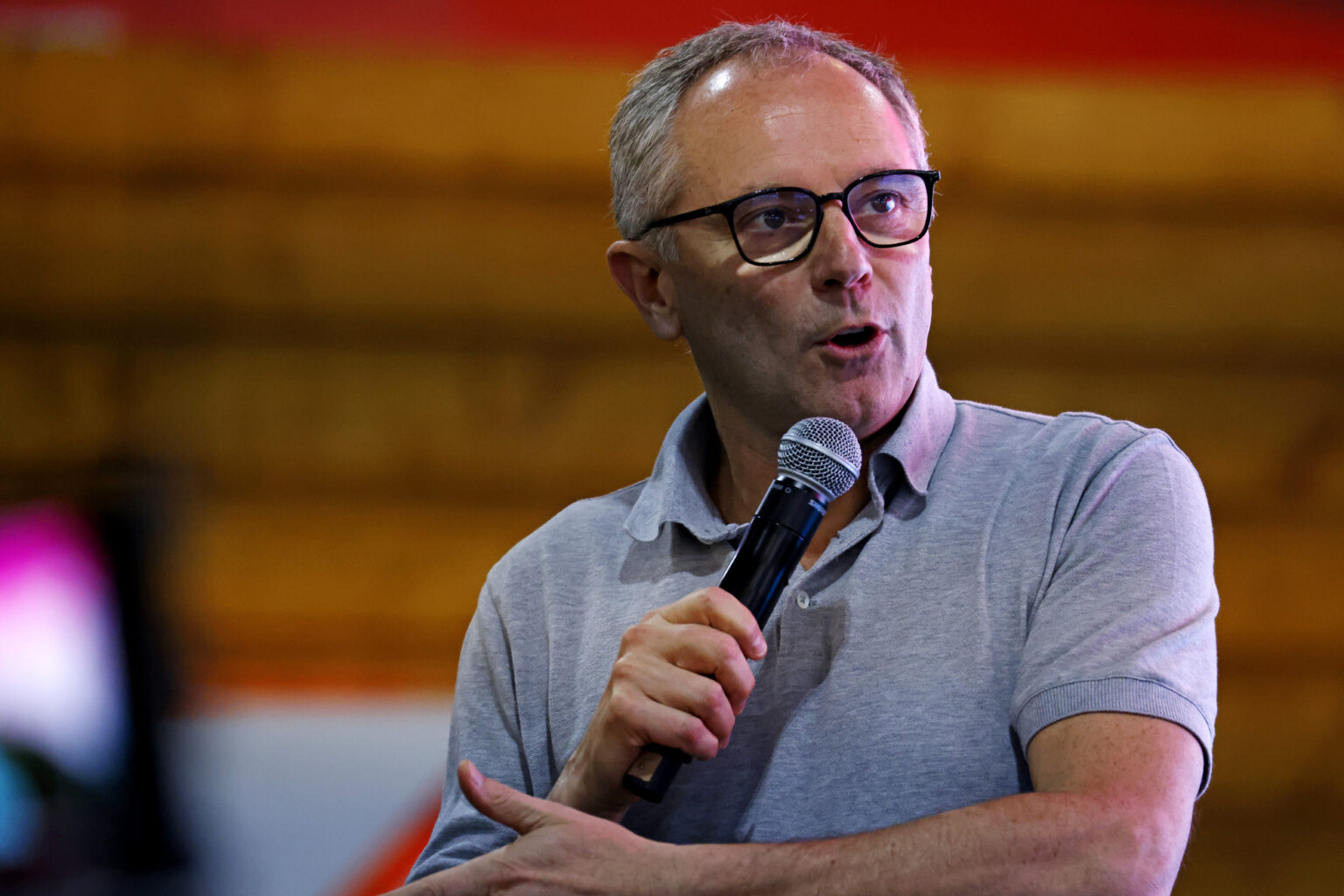
F1 CEO Stefano Domenicali signals strong prospects for V8 engines returning by 2030, backing FIA president Mohammed Ben Sulayem’s proposal paired with sustainable fuels.
The push originates from Ben Sulayem, who wants a heritage-led solution aligned with modern environmental targets. The suggested timeline targets the 2030 season.

Several teams express support, with drivers also receptive. The idea blends emotive appeal with a pathway to credible sustainability.
Domenicali states the chances are “quite high,” noting the FIA president’s firm stance and institutional backing. He also stresses the volume of detail still to resolve.
Domenicali says the chances of a V8 comeback by 2030 are “quite high.”
F1 currently runs under an engine cycle set through 2025. Early feedback on the 2026 power units is mixed, with some drivers questioning performance characteristics.
Driver input on the 2026 engines is central to shaping the next regulatory steps.
Domenicali calls drivers the sport’s “crown jewels” and prioritises their feedback as the technical direction evolves.
He notes manufacturers heavily influenced earlier rules, when options were constrained. The landscape shifts now, creating room for recalibration.
The proposal pairs V8 architecture with sustainable fuels to reconcile heritage and climate goals.
A pivot toward V8s would carry competitive implications, affecting development strategies across manufacturers. That context frames the current Mercedes development race and rivals’ upgrade paths.
Supplier planning remains pivotal, including ongoing assessments of Red Bull’s engine future as the next ruleset matures.
Governance will be decisive. Discussions, including debates over a V8 overhaul, must reconcile cost, spectacle, and sustainability without disrupting competitive balance.
As the 2030 timeline is evaluated, stakeholders seek clarity alongside broader strategic priorities, such as the series’ event footprint and calendar ambitions.
The result could be a package that restores visceral appeal while meeting environmental standards. For now, the concept holds momentum, with caution while details are finalised.
Visual Summary
🏁
⚡
⚡
V8 Revival in F1?
Heritage meets the future as F1 weighs roaring returns with green tech for 2030.
Heritage meets the future as F1 weighs roaring returns with green tech for 2030.
2025
2026
2030?
2026
2030?
⚡
🔩
🏁
Voices align, but details remain
🤝
Teams & Drivers Support
“Drivers are F1’s crown jewels”
👑
❓
Chances: High
Discussions ongoing,
details pending
details pending
Watch this space
🏎️
🌱
🌱
F1’s power struggle:
Tradition ⟷ Tech & Sustainability

Daniel Miller reports on Formula 1 Grand Prix weekends with race-day analysis, team-radio highlights, and point-standings updates. He explains power-unit upgrades, aerodynamic developments, and driver rivalries in straightforward, SEO-friendly language for a global F1 audience.