
https://shop.fervogear.com/cart

Why F1 Drivers Expect a Weird Italian GP Despite Slower Pace Than Hungary


Highlights
- 2026 F1 cars face energy limits at Monza’s Italian Grand Prix
- Top speeds at Monza expected lower than Hungary this season
- Drivers must manage battery use carefully on long Monza straights
- Cool-down laps likely very slow due to strict energy recharge caps
- Auto-K systems control battery deployment, complicating qualifying laps
- Monza to test teams’ adaptation to new energy and speed rules
Formula 1 heads into a peculiar Monza weekend as the 2026 energy rules collide with the circuit’s high-speed DNA. Drivers expect slower straights, complex deployment, and traffic risks.
Top speeds at Monza may be lower than Hungary due to strict 2026 energy caps and deployment limits.
The key shift is how speed decays across the straights. Earlier tests showed mid-straight downshifts as batteries emptied. Updated limits now smooth that profile, but cap peak velocity significantly.

Arvid Lindblad frames it simply: there is little battery to spend, so cars stop accelerating rather than slow. Oscar Piastri’s sims even had Hungary’s main straight quicker than Monza.
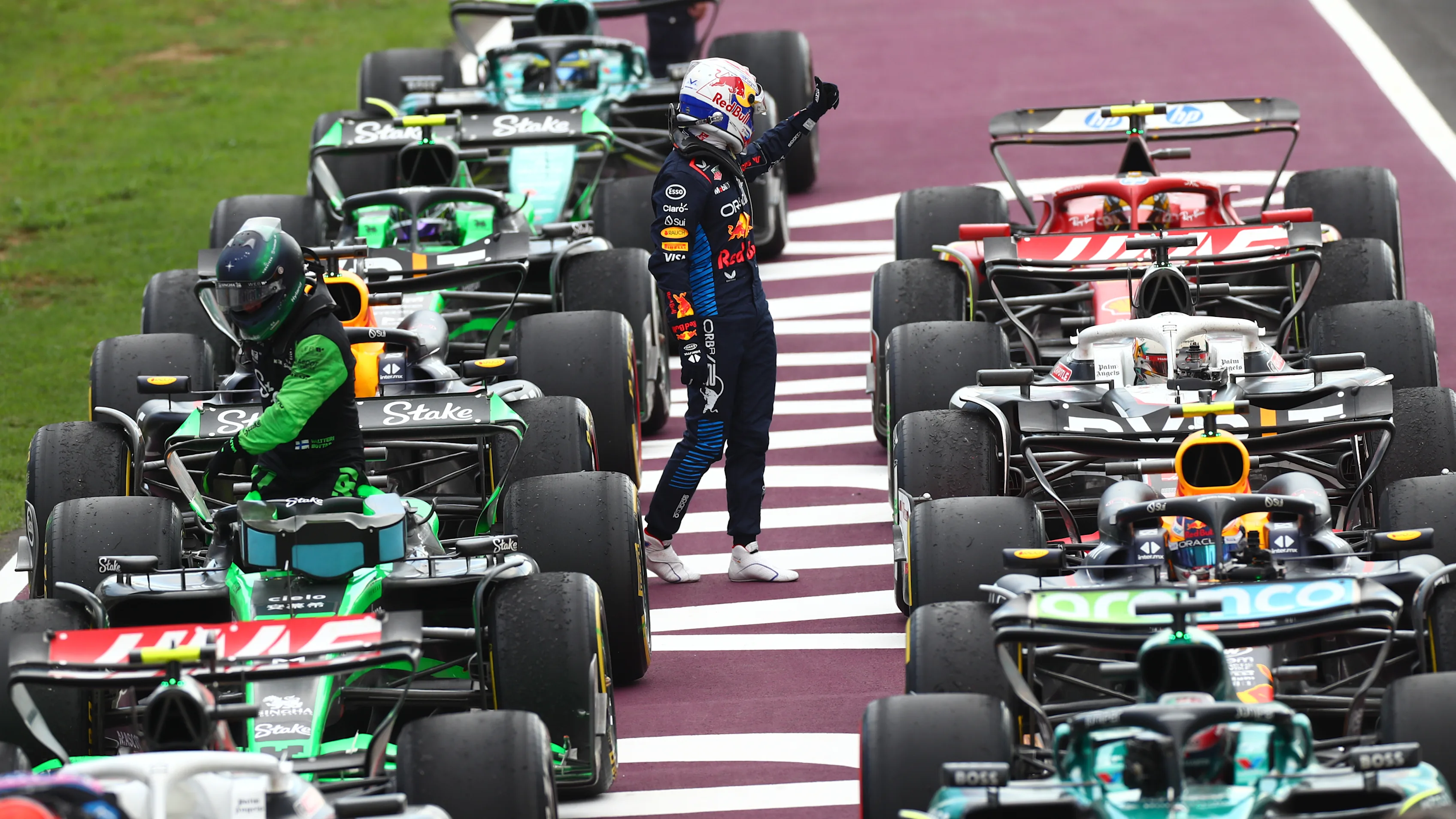
That redefines gear usage, too. Drivers could still need a seventh-gear shift cresting Ascari, but without the traditional battery push that once propelled speeds toward 360 km/h.
“You don’t have an ability to charge, so it’s just slow,” says Lando Norris on Monza’s long, sparse energy-harvest profile.
Pre-event fears of extreme “super clipping” through Lesmo and Ascari have eased. A 5MJ harvesting cap reduces the need to crawl for energy, with Piastri calling it a “reasonable amount.”
For added context on Piastri’s view of the weekend’s complexity, see Oscar Piastri’s perspective on the new energy landscape.
Norris underlined why standard tactics may fail. Monza’s long straights and limited cornering mean few harvesting windows, removing the gains seen at twistier venues like Spa.
Qualifying management could look unusual. With out-laps capped at 9MJ and cooldowns at 5MJ, drivers may coast slowly post-push to avoid wasting energy before vital laps.
Lindblad expects very slow cooldowns as drivers prioritize recharge. That could compress run plans and heighten timing errors during a busy session.
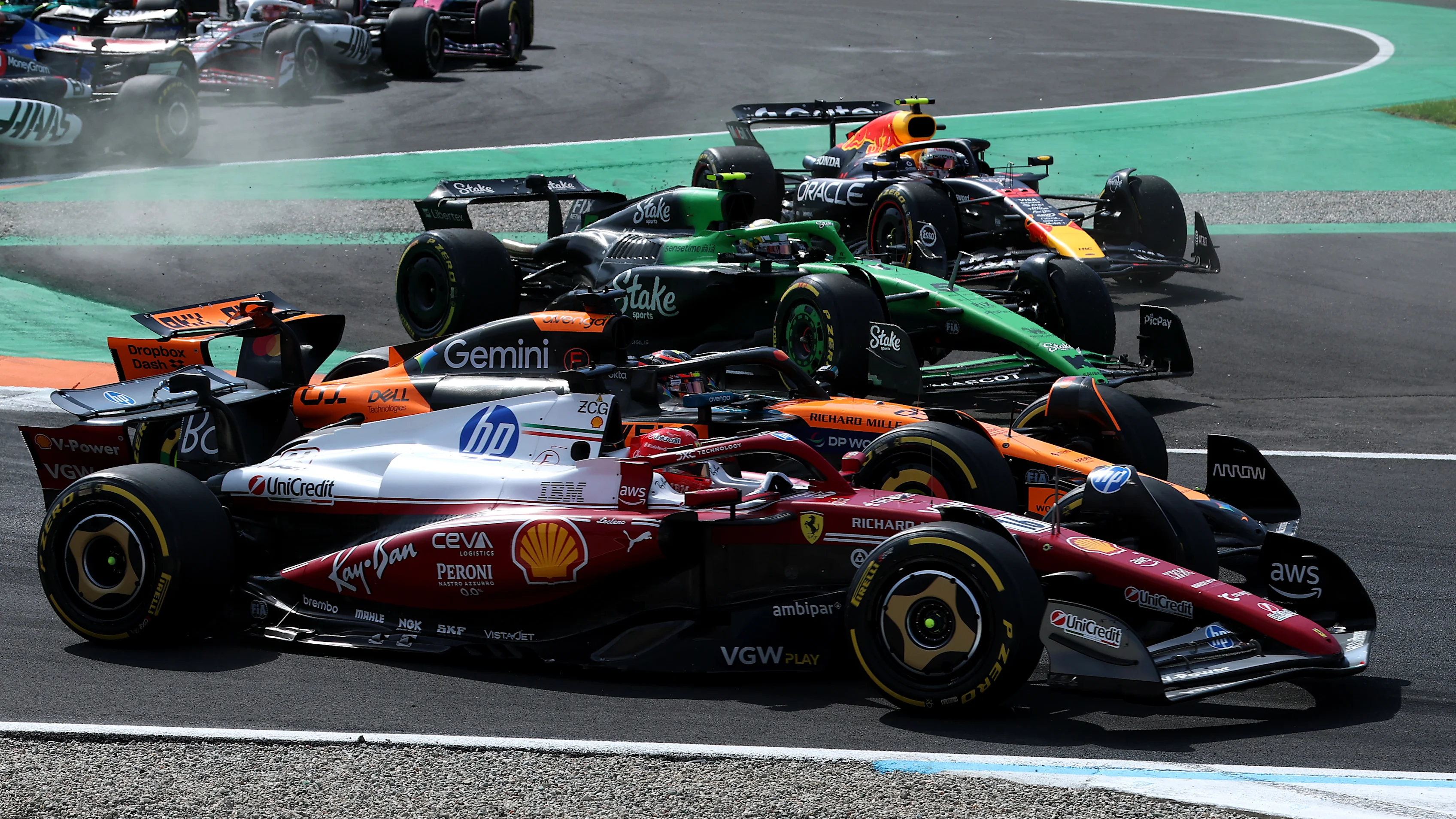
Auto-K now governs battery deployment, reducing driver control and increasing speed deltas between push laps and prep laps.
Starting laps also demand precision. Teams must balance deployment off Parabolica against energy reserved for the lap’s end, with auto-K dictating when the battery actually fires.
The result is larger speed differentials across the field. That raises traffic and safety concerns, particularly for cars on prep laps. It will test awareness, especially for F1 rookies.
Competitive emphasis shifts toward drag efficiency, ERS effectiveness, and deployment mapping. Expect variability as teams tune setups within tight recharge ceilings and evolving run profiles.
The broader weekend narrative, including Ferrari’s home focus and Haas’s engine upgrade work, features in the ongoing Italian Grand Prix build-up.
Cooldown laps could be conspicuously slow as teams target the 5MJ cap to reset for push laps.
Visual Summary
🏎️
🔋
⬇️
⬇️
Fastest Track.Low Battery.Everything’s Slower.
Hungary: 343km/h
Monza
: 360km/h 310km/h
Oscar Piastri: “It doesn’t make sense – we’re quicker in Hungary than Monza!”
Lando Norris: “You just can’t charge. It’s… slow.”
No more late-straight speed drops – but top speed is limited all lap.
Qualifying: Slow out-laps & ultra-slow cooldowns as drivers crawl to recharge.
Auto-K: Battery deploys automatically.
Drivers less in control.
Unpredictable flying laps?
Drivers less in control.
Unpredictable flying laps?
🔀
Will anyone master Monza’s new energy maze?
Will anyone master Monza’s new energy maze?

Daniel Miller reports on Formula 1 Grand Prix weekends with race-day analysis, team-radio highlights, and point-standings updates. He explains power-unit upgrades, aerodynamic developments, and driver rivalries in straightforward, SEO-friendly language for a global F1 audience.