
https://shop.fervogear.com/cart

What to Expect at the Thrilling F1 Italian GP Race

Highlights
- Pierre Gasly surprises with pole position for Alpine at Monza
- Early laps expected chaotic due to energy deployment challenges
- Strong slipstream effect increases chances of early overtaking battles
- Energy management critical; attacking risks losing valuable lap time
- Most teams plan a one-stop tyre strategy at Italian GP
- Teamwork vital for Ferrari; Gasly’s race pace remains uncertain
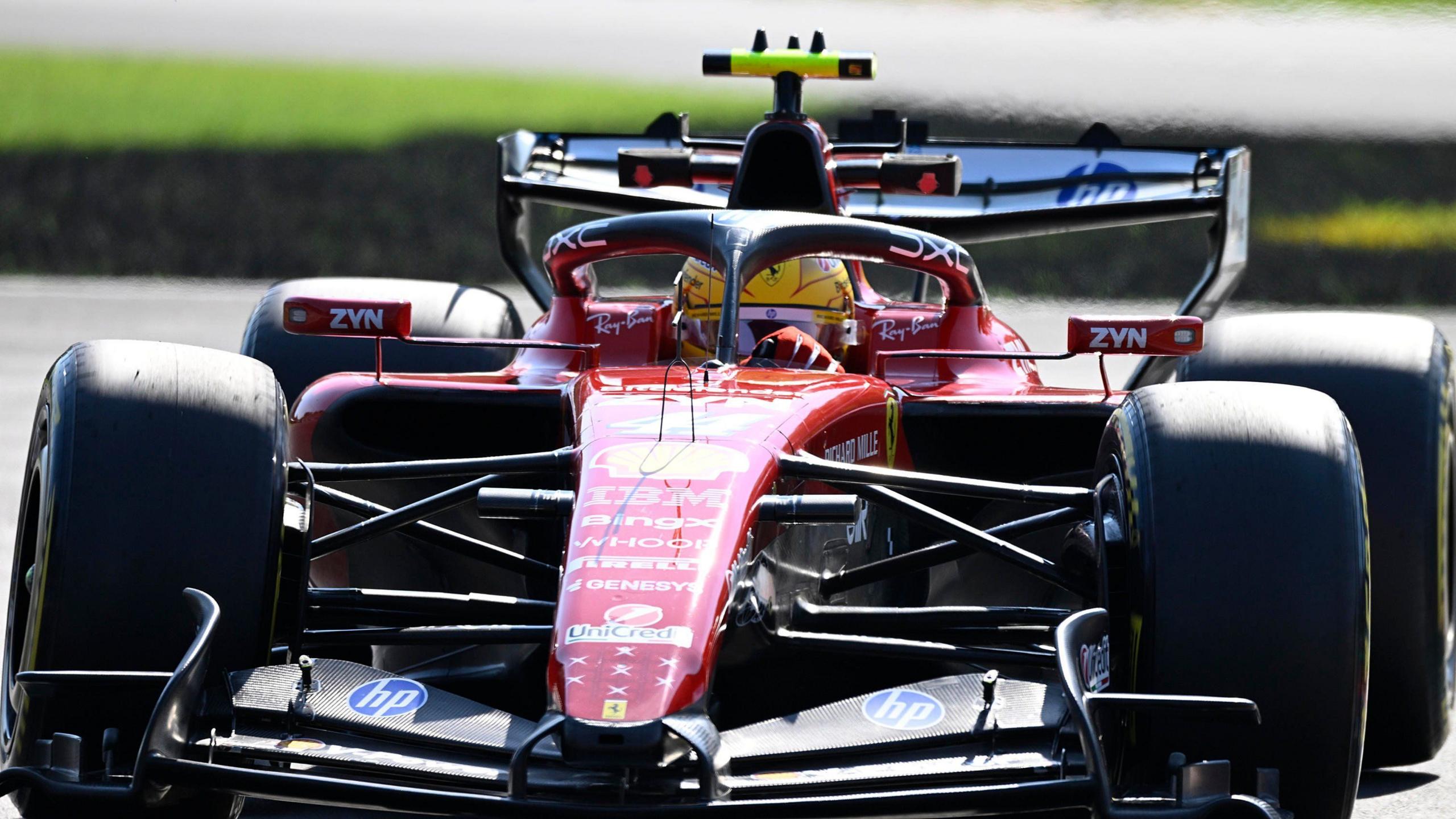
Pierre Gasly’s shock pole for Alpine reframes the Italian Grand Prix narrative at Monza, setting up a strategic test defined by energy deployment, slipstreaming, and disciplined racecraft.
Teams approach the race with caution. Performance swings, traffic effects, and constrained energy use point to an unpredictable opening phase and a tactical grind thereafter.

The early laps should be volatile. Variations in battery deployment and recovery create a yo-yo effect, mirroring patterns seen in recent 2026 races.
The long run to Turn 1 magnifies the slipstream. Expect frequent position changes as packs compress and drivers probe for momentum without overspending energy.
Early-lap “shenanigans” are likely as the pack surges to Turn 1 under heavy slipstream.
Oscar Piastri anticipates lead changes even without outright pace advantage. Momentum and timing of deployment could outweigh pure lap-time performance.
As the race settles, energy discipline becomes decisive. Battling hurts lap time if deployment windows are disrupted, a point McLaren’s Andrea Stella underlines.
Carlos Sainz stresses restraint. Over-aggression risks burning through boost too early, compromising both attack and defense later in the stint.
Defensive play hinges on deploying overtake modes at the right time. Drivers aim to break the one‑second gap to prevent trains forming and to manage re-attack risk.
Alex Albon frames the duel as “mental warfare,” blending real-time data with mode switching.
Teamwork could swing outcomes. Ferrari’s paired grid slots invite coordinated strategy, while Gasly and George Russell lack nearby allies. Lewis Hamilton wants tighter execution after a missed tow in qualifying.
Gasly’s retention prospects are uncertain. Alpine’s A526 looks efficient in a straight line, yet four viable passing zones expose any pace deficit. Mercedes expects faster cars to progress.
Conversion depends on race pace, tyre life, and energy timing. Track position matters, but so does avoiding off-sequence fights as the Monza weekend unfolds.
Tyre wear is modest, pointing to a one-stop. The preferred route is medium to hard, boxing around laps 24–30, with Pirelli data indicating alternatives are slower. See the detailed tyre strategy outlook.
Baseline fastest plan: start on mediums, stop once for hards around laps 24–30.
Some may roll the dice on softs for launch grip, accepting earlier stops. Safety cars or Virtual Safety Cars could disrupt the script and reward flexibility.
The contest should reward precision over bravado. All eyes track whether Gasly turns pole into a landmark victory, as reflected in the evolving Italian Grand Prix results.
Visual Summary
🔵 P1
GASLY (Alpine)
The Monza Energy
Yo-Yo Showdown
Yo-Yo Showdown
Gasly’s pole shocks F1, but the battle to keep it will be a chaotic power game
with energy swings, mental warfare and unpredictable slipstreams.
with energy swings, mental warfare and unpredictable slipstreams.
🌀
Early Lap Shenanigans
⚡ Energy Warfare
🏁 Slipstream Trains
🤝 Team Tactics
Gasly: Pole Hero or Prey?
Monza’s four overtaking zones will test
Alpine’s top speed and nerve.
Can Pierre defend the dream?
Tyre Strategy (53 Laps):
Medium
Hard
Pit window: L24-30
“It’s mental warfare all race.”
– Alex Albon

Daniel Miller reports on Formula 1 Grand Prix weekends with race-day analysis, team-radio highlights, and point-standings updates. He explains power-unit upgrades, aerodynamic developments, and driver rivalries in straightforward, SEO-friendly language for a global F1 audience.