
https://shop.fervogear.com/cart

Liam Lawson Responds to Max Verstappen’s ‘Numb’ F1 Car Criticism

Highlights
- Liam Lawson challenges Verstappen’s claim F1 cars feel “numb”.
- Lawson finished sixth, seventh, and 14th since summer break.
- Energy management reduces direct driver influence on car feel.
- Lawson adapts to Red Bull car’s discomfort and different setup.
- 2026 cars less sensitive, requiring strong lap commitment.
- Driver feedback and car technology debates continue in paddock.
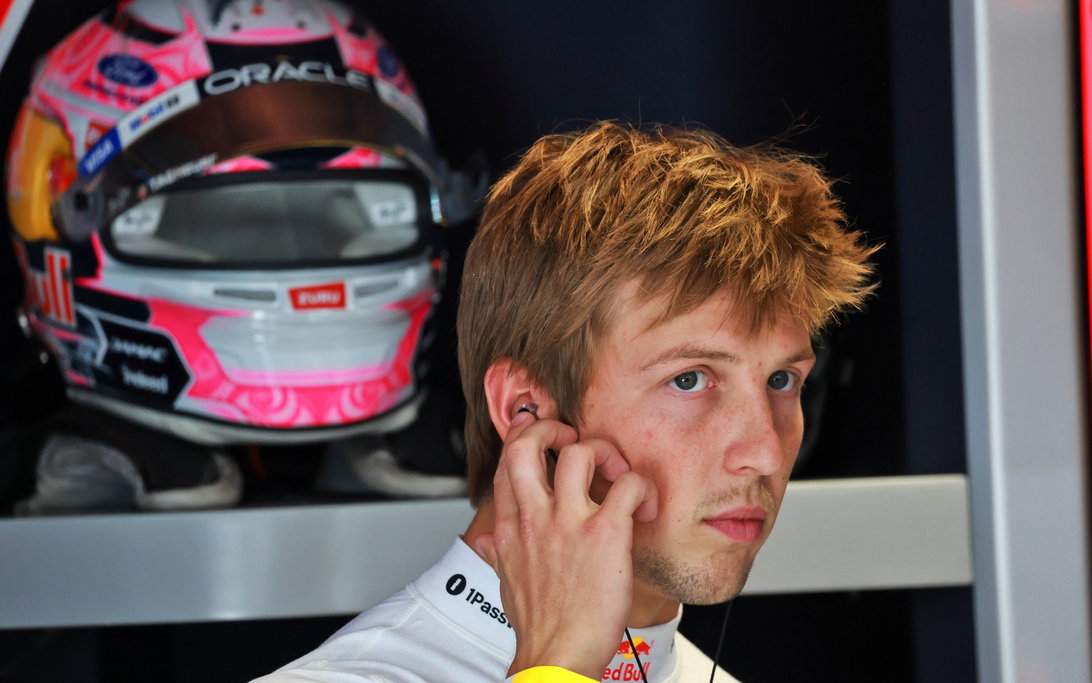
Liam Lawson counters Max Verstappen’s claim that current Formula 1 cars feel “numb,” arguing today’s machinery still demands precision, adaptation, and commitment across a lap.
Standing in at Red Bull during Isack Hadjar’s recovery, Lawson accepts energy systems shape car behavior. He stops short of calling the cars easier, stressing the execution burden remains high.

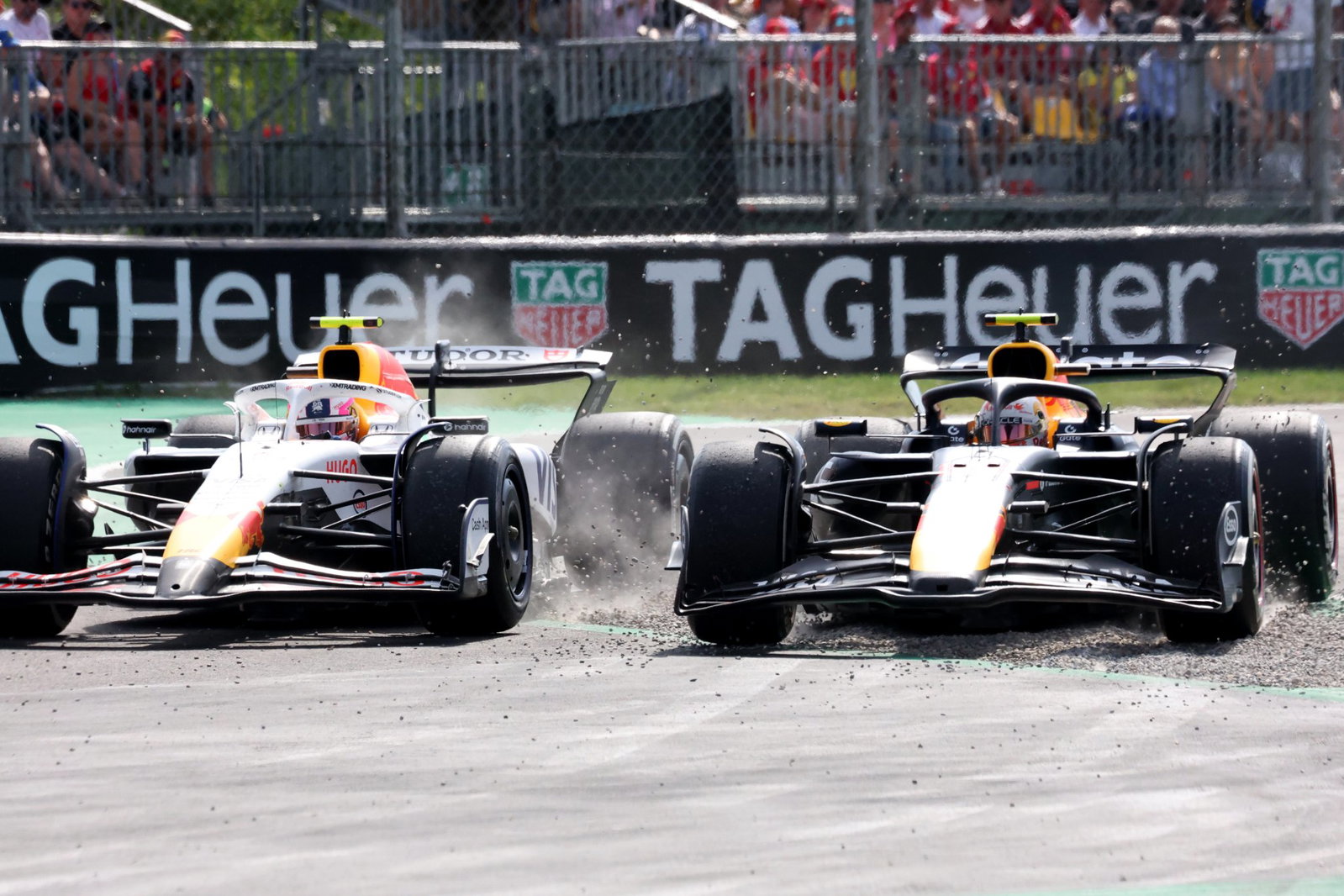
Since the summer break, Lawson finishes sixth, seventh, and 14th. Yuki Tsunoda adapts quickly at Racing Bulls, taking a point at the Italian Grand Prix and underlining the field’s fine margins.
Verstappen’s critique targets the 2026 philosophy, suggesting reduced sensitivity to inputs and bigger rewards for full-commitment laps, as outlined in his explanation of the 2026 cars.
Lawson agrees that energy deployment and harvesting tools narrow a driver’s direct influence. But he maintains the cars are not simple, echoing points from his recent comments on criticism.
Lawson argues modern F1 still punishes hesitation, even as energy tools mediate the car’s response to inputs.
He highlights cockpit comfort and hardware differences between Racing Bulls and Red Bull. Those variances force him to “drive around” discomfort and tweak technique under time pressure.
Lawson’s adaptation curve shows at Monza, where the context of his Monza result reflects the challenges of swapping machinery mid-season and managing deployment maps.
“Less sensitive” does not mean easier; the commitment required to unlock lap time remains uncompromising.
The growing spread between teams this season suggests energy management and tight operating windows amplify separation. Marginal gains in software, recovery targets, and deployment timing now swing race outcomes.
For Red Bull, Lawson’s feedback offers correlation data as the team shapes 2026 concepts. It also guides setup and software strategies that balance technology with driver feel and consistency.
Verstappen’s stance: 2026 cars reward full-attack laps, with drivers feeling “held back” when not fully committed.
As the season evolves, Lawson’s stint should inform Red Bull’s operational choices while Hadjar recovers. Expect ongoing development in car design and feedback loops to drive strategy across the grid.
Visual Summary
F1’s New Challenge:
Less Feeling, More Adapting
Less Feeling, More Adapting
Liam Lawson & Max Verstappen: Same machine, different feel. New F1 cars blur the
driver–car connection, but mastering them is tougher than ever.
How “Connected” Does the Car Feel?
↓ Numb
Feel
🡸
6th
Best Finish
3
Races
Yuki scored at Monza
Teammate swap
Lawson
⇄
Verstappen
Both see less feedback—but disagree on what it means for the challenge.
⚡
The battle for true control is just starting. Tech changes, but adaptation is what separates the best.
The battle for true control is just starting. Tech changes, but adaptation is what separates the best.

Daniel Miller reports on Formula 1 Grand Prix weekends with race-day analysis, team-radio highlights, and point-standings updates. He explains power-unit upgrades, aerodynamic developments, and driver rivalries in straightforward, SEO-friendly language for a global F1 audience.