
https://shop.fervogear.com/cart

Oscar Piastri Voices Frustration Feeling ‘Like a Passenger’ in F1 AI Battle

Highlights
- Oscar Piastri voices frustration with AI energy deployment system.
- AI controls 350 kW electrical energy, limiting driver control.
- 2026 power split is now 50:50 between battery and combustion.
- Drivers feel like passengers on fast tracks with long straights.
- AI software differences affect lap times by crucial fractions.
- Teams continue updating AI systems to balance control and efficiency.
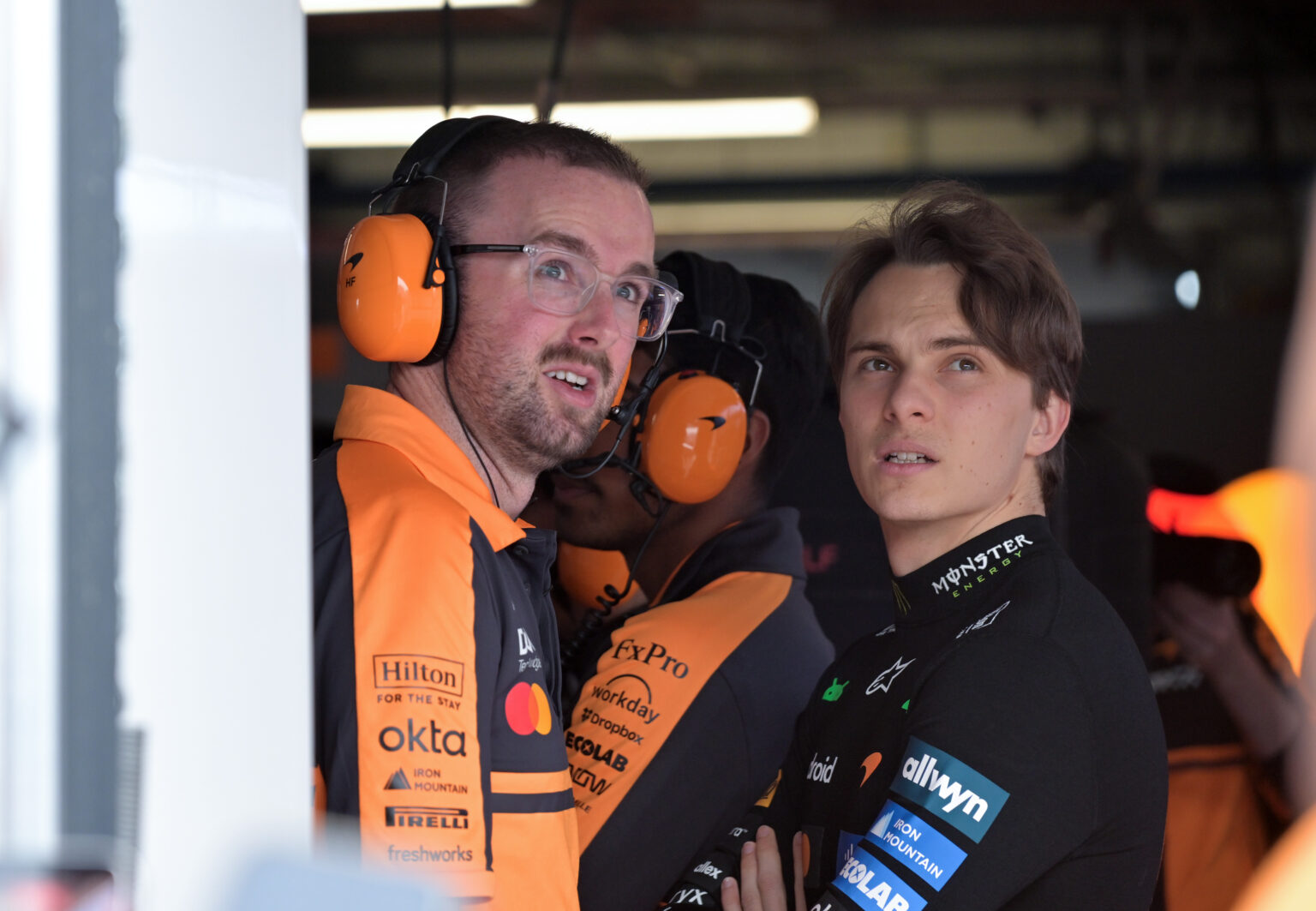
Oscar Piastri highlights growing driver frustration with Formula 1’s AI-managed energy deployment, arguing the 2026 systems reduce influence from the cockpit at precisely the moments it matters most.
The McLaren driver says the software’s control of 350 kW electrical release shapes race pace and positioning, particularly on high-speed circuits where battery cycling dictates how and when power arrives.

The AI learns each venue through practice, mapping deployment and harvesting points to maximise efficiency. That optimisation often conflicts with a driver’s instinctive race management and tactical discretion.
“Sometimes, yes,” Piastri says when asked if he feels like a passenger under AI-managed deployment.
The 2026 power unit split sits near 50:50 between combustion and battery. That reshapes lap profiles compared to last year’s 80:20 emphasis on internal combustion efficiency and driver-led energy timing.
On tracks like Albert Park, Suzuka, Silverstone, and Spa, limited heavy braking compresses harvesting windows. Drivers sometimes complete sectors on combustion power alone, then encounter abrupt deployment phases.
That ebb and flow changes the driver’s references through the lap. It also complicates racecraft, as overtaking windows hinge on algorithmic release rather than manual energy budgeting.
AI deployment mapping can leave drivers without battery assistance for full sectors at Spa and Silverstone.
Conversely, the Hungaroring and Zandvoort reward frequent recovery zones and shorter straights. There, deployment better matches the driver’s rhythm, echoing the feel of the pre-2026 balance.
Piastri stresses the competitive stakes. Small software differences between teams can cascade into lap-time deltas that exceed qualifying gaps, undermining the sport’s traditional human-led margins.
He recalls events where four cars are split by 0.09s. In that context, divergent deployment codes become decisive, independent of a driver’s inputs or micro-adjustments in cornering technique.
Software version disparities can outweigh a driver’s contribution by decisive hundredths in qualifying.
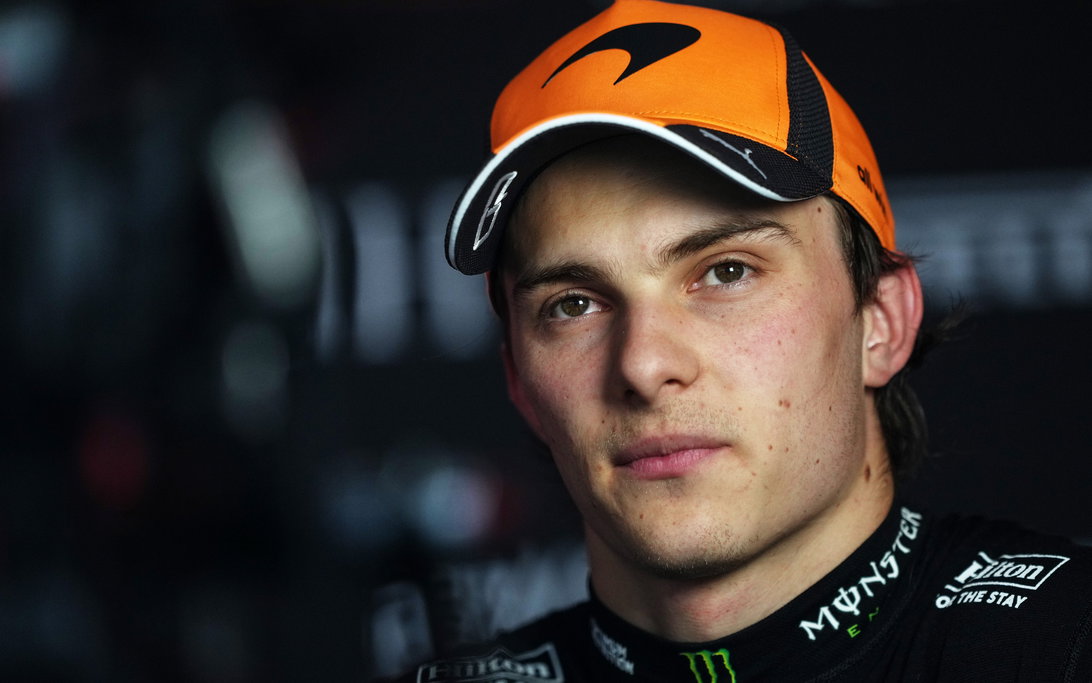
Teams continue iterating the control software to balance efficiency with drivability. That includes refining learning rates, prediction models, and thresholds that determine where and when energy is spent.
McLaren’s challenge mirrors the field’s: protect straight-line competitiveness without compromising corner exits or defensive positioning. Piastri’s adaptation remains ongoing, alongside Lando Norris under the same constraints.
His broader adjustment to the regulations has been documented, with Piastri’s struggles adapting linked to how the car’s energy window aligns with his driving style.
The 50:50 hybrid split amplifies deployment strategy, moving lap time from the steering wheel to the codebase.
Driver feel still counts, particularly in changeable grip or traffic. But the balance of control shifts toward algorithmic decisions, especially on long straights where usage cycles are pre-optimised.
As software matures, expect convergence and fewer outliers. Until then, marginal gains may hinge on deployment logic, as seen in Piastri’s recent Italian GP battle.
For now, the key storyline is agency. AI reduces variability and errors but trims a layer of driver craft. Teams are racing to restore that nuance without giving up efficiency.
That tension will define 2026’s development race. Whoever best aligns software, harvesting, and driver inputs will shape qualifying profiles, race stints, and overtaking potency.
Visual Summary
🕹️
Driver
Driver
🤖
AI
AI
2026: The Battle for Energy Control is 50:50
❝
“Sometimes you feel more like a passenger than the driver.”
– Oscar Piastri
“Sometimes you feel more like a passenger than the driver.”
– Oscar Piastri
Albert Park
Silverstone
Spa
Suzuka
Blue blips = AI (no battery)
😠
High Frustration
Drivers vs Algorithms: Who’s really in control as F1 enters the AI age?

Daniel Miller reports on Formula 1 Grand Prix weekends with race-day analysis, team-radio highlights, and point-standings updates. He explains power-unit upgrades, aerodynamic developments, and driver rivalries in straightforward, SEO-friendly language for a global F1 audience.