
https://shop.fervogear.com/cart

F1 Leaders Set to Discuss Game-Changing FIA Rule Update

Highlights
- F1 plans to introduce new V8 engines by 2030 or 2031
- Push-to-pass system similar to IndyCar is under consideration
- Current overtake and boost modes will evolve for driver control
- Audi supports V8 change, aiming for cost savings and innovation
- Final engine regulations expected to be agreed before year-end
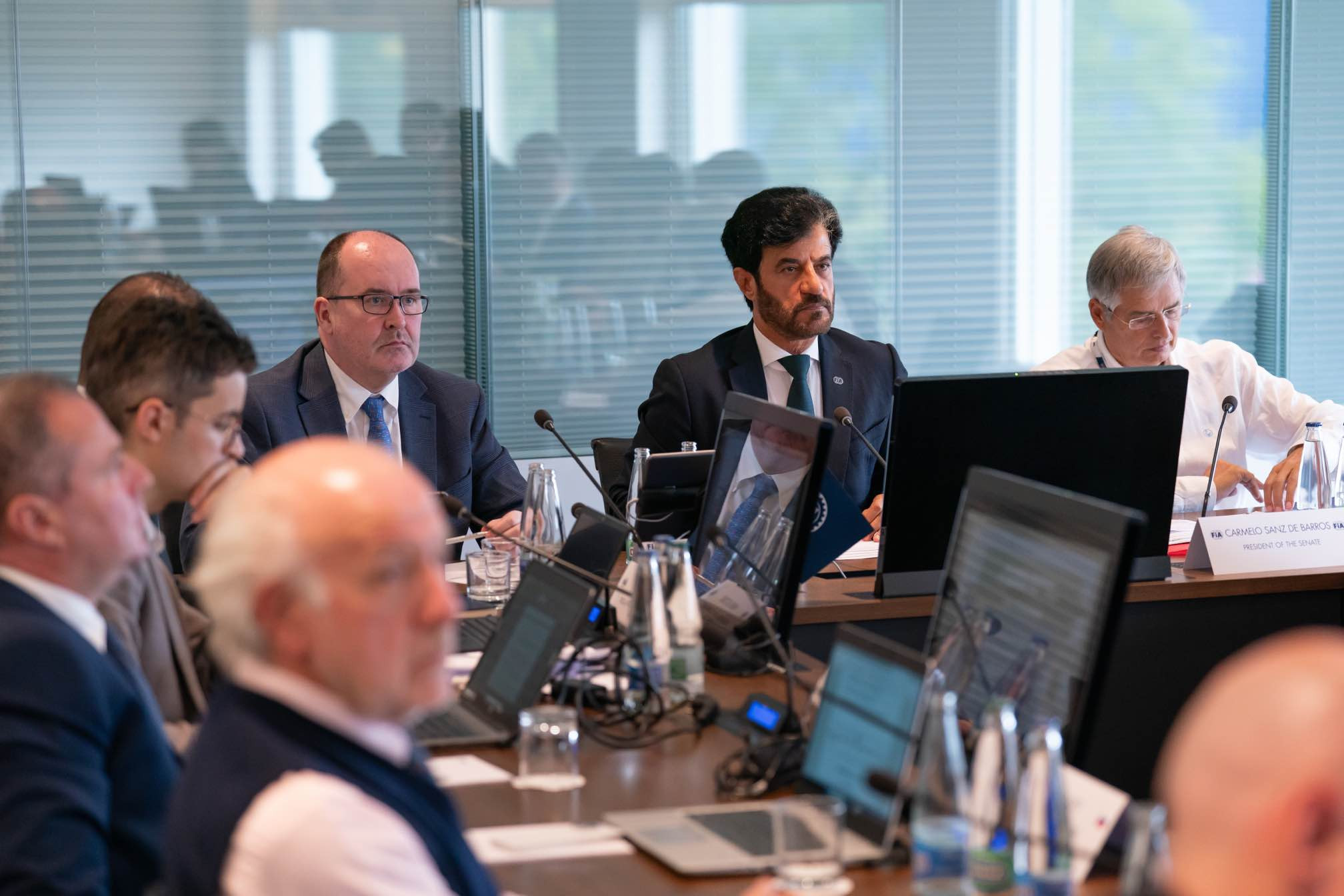
Formula 1 officials open talks with the FIA on next‑decade engine rules, targeting V8 power units for 2030 or 2031 to improve racing quality and contain costs.
Teams and power-unit manufacturers join the discussions, seeking clarity on architecture, deployment systems, and budget frameworks before committing major development resources.

Audi principal Mattia Binotto confirms a push‑to‑pass concept, inspired by IndyCar, is under evaluation as an additional overtaking aid.
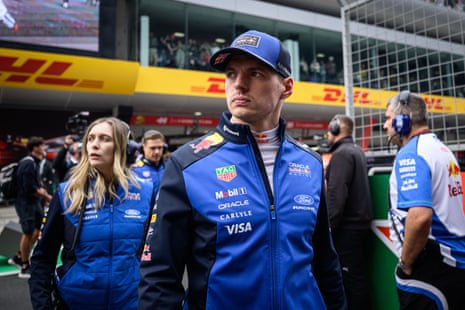
Under the 2026 rules, ‘overtake’ replaces DRS, while ‘boost’ raises power through automated control, reducing direct driver discretion.
A push‑to‑pass mechanism would restore driver-controlled deployment within regulated windows, adding strategic variability to attack and defense.
Options include turbo boost pressure changes, a refined DRS-style device, or KERS-like electrical deployment, each carrying different packaging, reliability, and policing considerations.
F1 is weighing a push-to-pass system to hand power deployment back to drivers.
Officials aim to prevent processional trains while preserving credible defense, requiring careful calibration of activation thresholds, durations, and recharge rules.
The FIA steers technical definition, while political approval proceeds through established F1 Commission changes channels.
Experience from KERS between 2009 and 2013 informs energy management targets, driver workload modelling, and race-impact analysis.
Final engine regulations are expected to be agreed before year-end.
Audi supports a V8 move despite heavy V6 hybrid investment, citing simpler units, improved sound, and clearer roles for hybrid and turbo elements.
Manufacturers push for timely decisions to start 2027 design programs, align dyno schedules, and plan supplier commitments within cost-cap constraints.
Audi backs a V8 shift while insisting on cost savings alongside innovation.
Driver feedback, including Hamilton’s rule frustration, continues to shape active-aero and energy deployment debates.
Any V8 return would carry echoes of an FIA historic return to louder power units, though final specifications remain open.
With decisions expected this year, teams anticipate a clear framework to balance performance, cost, and spectacle across the next decade.
Visual Summary
V8 ERA
2027+
⚡
?
Hybrid Turbo (Phasing Out)
No pass
Push to Pass!
🎯
Goal:
More Overtakes
Goal:
More Overtakes
🔊
Sound:
V8 Returns
Sound:
V8 Returns
💸
Target:
Lower Costs
Target:
Lower Costs
Engine Future Timeline
Audi & FIA—talks ongoing, path set for V8+Push-to-Pass era (2027+)

Daniel Miller reports on Formula 1 Grand Prix weekends with race-day analysis, team-radio highlights, and point-standings updates. He explains power-unit upgrades, aerodynamic developments, and driver rivalries in straightforward, SEO-friendly language for a global F1 audience.