

https://shop.fervogear.com/cart

Inside Red Bull’s Baku Team Order Debate and Hierarchy Clash

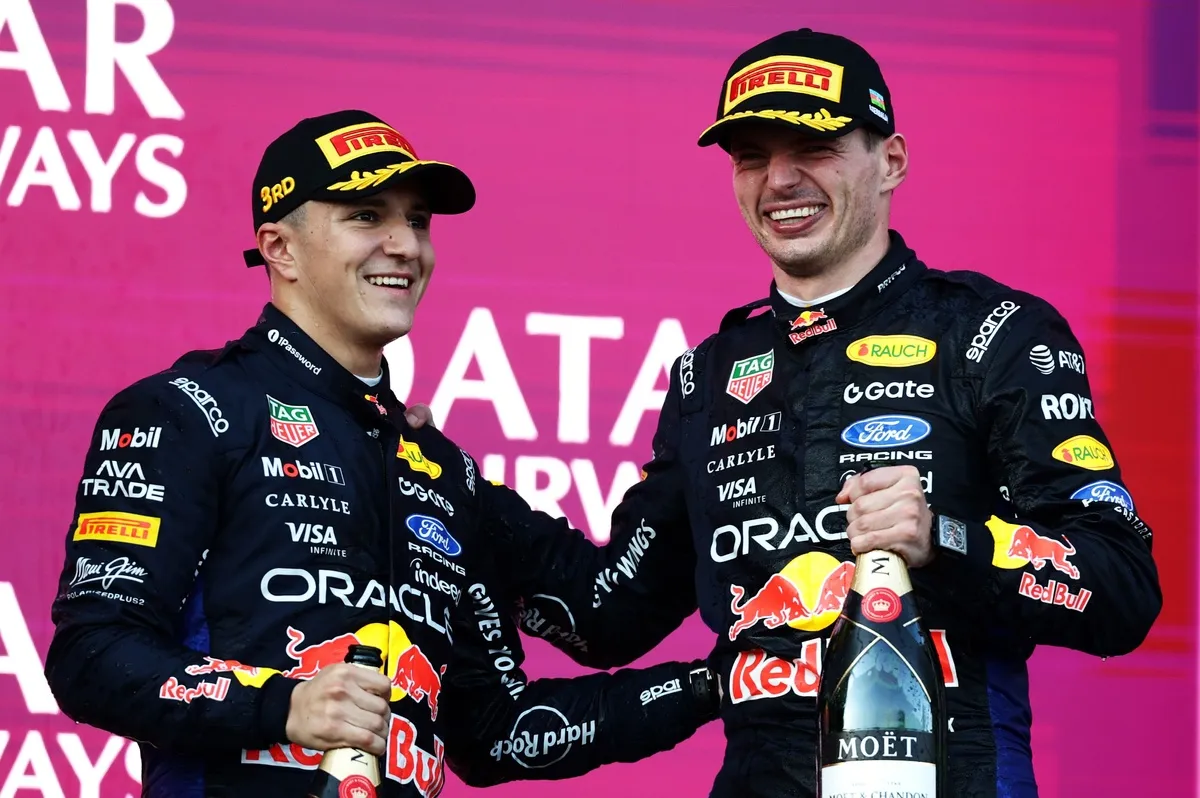
Highlights
- Red Bull avoided team orders at Azerbaijan Grand Prix.
- Max Verstappen finished second, 0.2 seconds behind George Russell.
- Isack Hadjar ran faster on soft tires but stayed behind Verstappen.
- Red Bull’s strict driver hierarchy favors Verstappen as team leader.
- Brundle highlighted the risk of disrupting team balance with swaps.
Red Bull declined team orders during the Azerbaijan Grand Prix, despite a clear tyre offset between its drivers. Alex Brundle cited the squad’s hierarchy as the decisive factor.
Early on, Isack Hadjar shadowed Max Verstappen on softs while Verstappen ran mediums. Team orders are permitted, but Red Bull kept position, prioritising structure over a short-lived tyre advantage.

Brundle told F1 Nation the medium proved weaker on Red Bull’s car than the soft. He suggested letting Hadjar pass could have pressured rivals without harming Verstappen’s race.
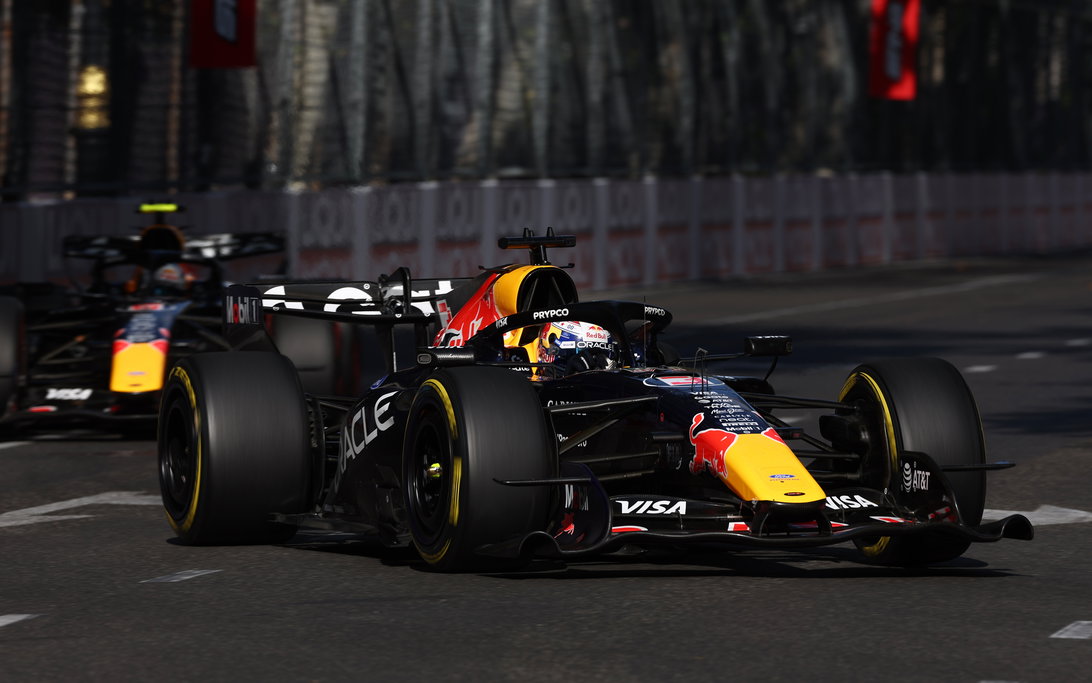
The result rendered any intra-team swap largely academic. Hadjar faded later, while Verstappen finished 0.2 seconds behind winner George Russell after a late push.
Red Bull preserved track position to avoid unsettling Verstappen’s established leadership.
Verstappen has led Red Bull since 2016, and that authority shapes race management. That authority has framed the Red Bull Baku Verstappen debate throughout a tightening championship fight.
Brundle judged it reasonable to unleash Hadjar against rivals, McLaren included. Inside the team, Verstappen’s precedence remains explicit, limiting mid-race swaps when margins are tight.
The choice matches broader patterns in Baku strategy, where track position dictates outcomes. It mirrors other teams’ Baku decision-making during volatile safety-car windows.
Street circuits punish hesitation. Swapping cars risks time loss, invites undercuts, and can be undone by virtual or full safety cars, especially with diverging tyre life profiles.
Team orders are legal under FIA rules, but harmony and operational clarity often outweigh short-term pace.
Red Bull’s stance also reflects confidence in Verstappen under pressure. That view aligns with Christian Horner’s recent comments and internal assessments following Baku.
Brundle: letting Hadjar attack externally is reasonable; reversing the internal order risks destabilising the team’s competitive platform.
Similar dilemmas will recur as the season intensifies. Expect Red Bull to prioritise leadership stability and track position unless the competitive picture forces a decisive in-race reversal.
Visual Summary
👑
Verstappen
P2
⬆️
Hadjar
P
–
🏁
Russell
⬇
Hierarchy Holds at Red Bull: No Team Orders in Baku
🏆
Verstappen
0.2s from victory
Remains team #1
🚦
Hadjar faster on
softs, but
Team order = No swap
At Red Bull, the leader stays on top

Daniel Miller reports on Formula 1 Grand Prix weekends with race-day analysis, team-radio highlights, and point-standings updates. He explains power-unit upgrades, aerodynamic developments, and driver rivalries in straightforward, SEO-friendly language for a global F1 audience.