
https://shop.fervogear.com/cart


Carlos Sainz Urges F1 to Reflect After Chaotic Controversy

Highlights
- Carlos Sainz urges F1 to reconsider technical regulation management.
- Bahrain GP start delayed by new 2026 power units’ issues.
- Software update resolved stall problems after initial red flag.
- New engines deliver 50% power from batteries, up from 20%.
- Manufacturers like Audi and Honda joining under new technical rules.
- Upcoming races will further test power unit reliability and complexity.
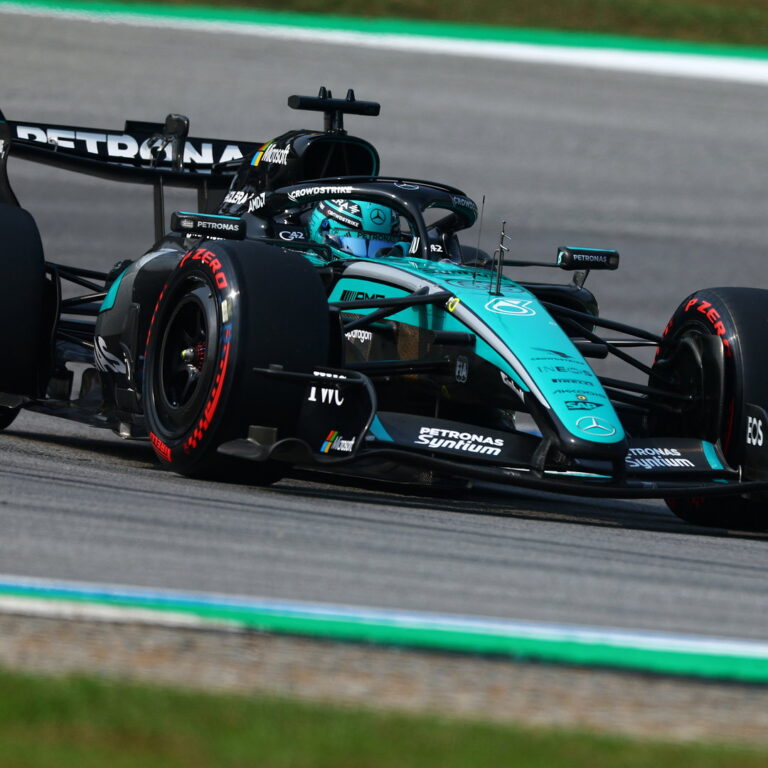
Carlos Sainz urges Formula 1 to rethink how it manages technical regulations after a chaotic Bahrain Grand Prix start. First wet running for the 2026 power units exposed serious drivability flaws.
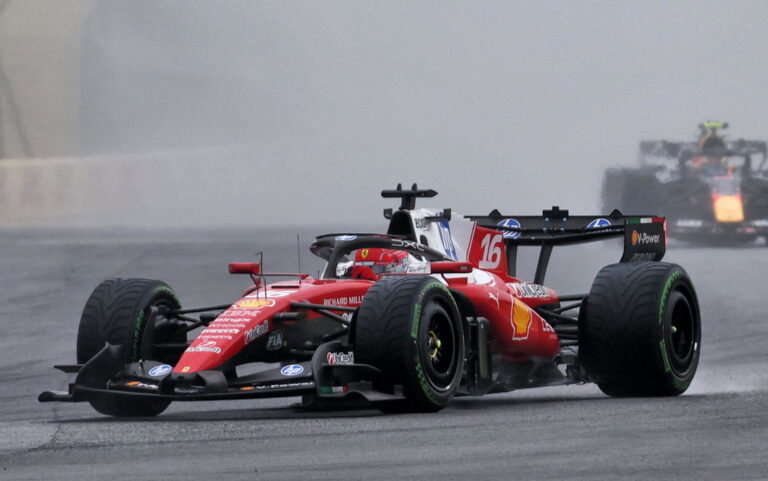
On the formation lap behind the safety car, cars struggled to accelerate. Max Verstappen nearly stopped, while Lewis Hamilton, Esteban Ocon, and Valtteri Bottas stalled, forcing a suspended start procedure.

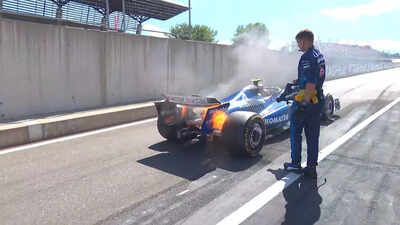
During the red flag, officials deployed a software update to all 22 cars. The patch addressed stall behavior and allowed a clean restart, with no further start-line issues once racing began.
The 2026 power units demand far greater electrical deployment. Around 50% of total output now comes from the battery system, up from roughly 20% in 2025, magnifying control and calibration demands in the wet.
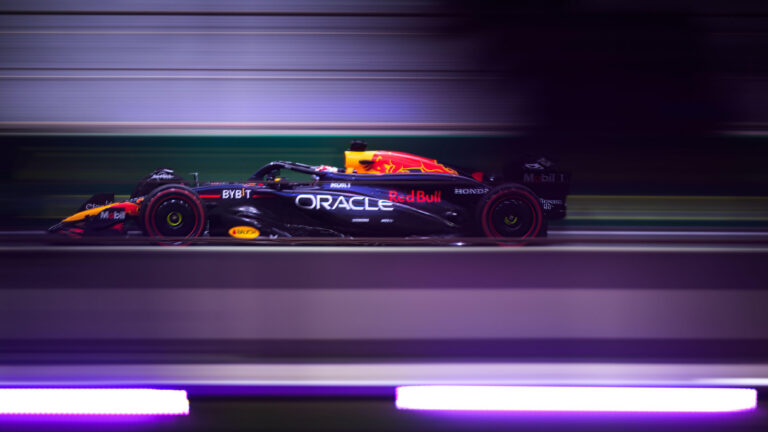
That architecture is central to F1’s strategy to attract manufacturers. Audi commits as a works entrant, with Honda, General Motors, and Red Bull-Ford aligned to the new technical framework.
A red-flag software patch was deployed to all 22 cars before the restart.
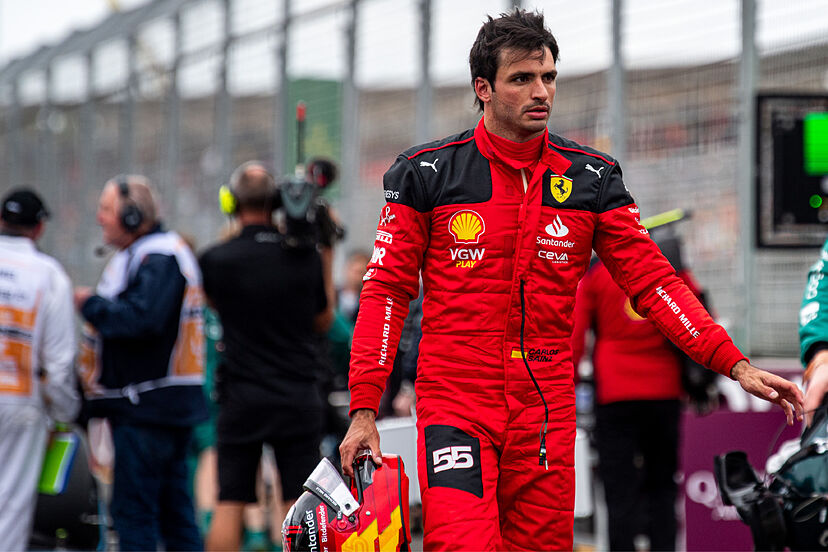
Sainz finished 17th and criticised the rule set’s complexity. He argued the regulations are “extremely complicated” for drivers, teams, and manufacturers, and said decision-makers must accept responsibility.
He welcomed the swift operational response but questioned the chosen direction. As he put it, the incident underlined that the path chosen was incorrect and needs reassessment to avoid repeats.
Paddock voices fear the systems could overshadow the racing if reliability lags. Red Bull, already in dialogue with stakeholders, is actively engaged in discussions with F1 authorities on containment measures.
Operationally, teams must master wet and dry torque maps, energy deployment windows, and complex fail-safes. Upcoming events, including Singapore, will pressure-test durability and software validation workflows.
“The rules are extremely complicated,” Sainz says, urging accountability for long-term regulatory choices.
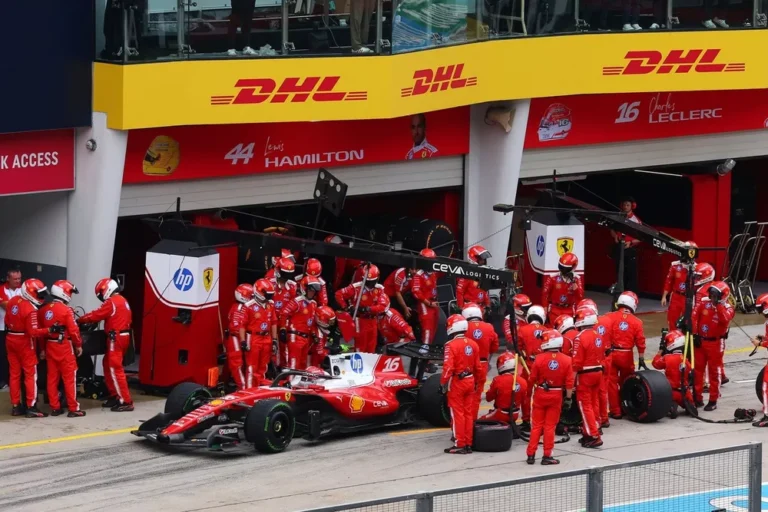
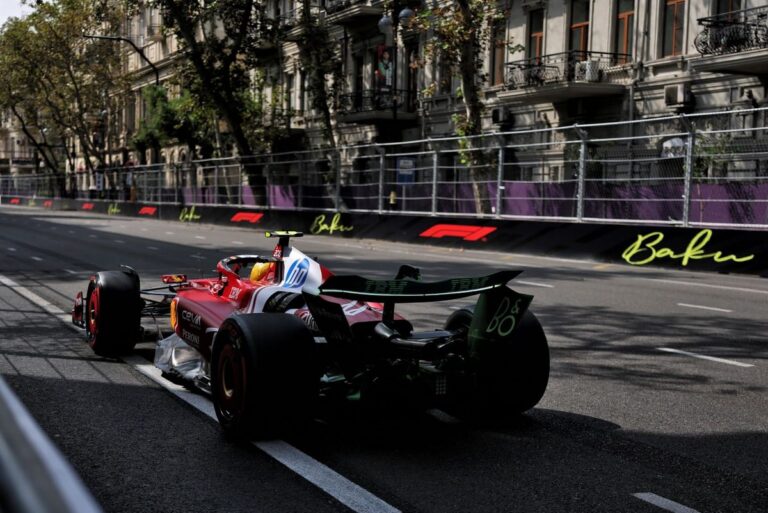
For Ferrari, the upheaval compounds a stop-start campaign for Sainz. Recent issues, including brake failures and an Azerbaijan GP grid drop, frame his call for pragmatism alongside innovation.
The balance now is clear. F1 must uphold its technological ambition while simplifying interfaces and failure modes to protect race execution, credibility, and competitive fairness.
The 2026 power units target 50% electrical contribution, up from roughly 20% in 2025.
Visual Summary
Chaos on the Grid:
New Power Units Stall F1 Start
Sainz Calls for Simpler Rules
New Power Units Stall F1 Start
Sainz Calls for Simpler Rules
Electric power share:
50% in 2026 🚀
(Up from 20% in 2025)
“The rules are extremely complicated for everyone.
We must learn from this
mistake.”
”
– Carlos Sainz, finished P17 in Malaysia
🚦
Formation lap
Cars struggle to accelerate
Formation lap
Cars struggle to accelerate
→
🛑
Stalls & Stops
Grid confusion, start suspended
Stalls & Stops
Grid confusion, start suspended
→
💻
Software fix
Emergency update deployed
Software fix
Emergency update deployed
→
🏁
Race resumes
But questions remain…
Race resumes
But questions remain…
⚡ Formula 1’s struggle: Will complex tech cloud the spirit of racing?
Singapore is next — all eyes on reliability!
Daniel Miller reports on Formula 1 Grand Prix weekends with race-day analysis, team-radio highlights, and point-standings updates. He explains power-unit upgrades, aerodynamic developments, and driver rivalries in straightforward, SEO-friendly language for a global F1 audience.