

https://shop.fervogear.com/cart


Surprising F1 Peaking Order Ignites Strange New Car Theory

Highlights
- Red Bull and Ferrari outperformed Mercedes, McLaren in Malaysia.
- Max Verstappen took pole position and race victory in Sepang.
- Mercedes’ pace dropped by 0.5 seconds due to track conditions.
- Rough Sepang surface disrupted car aerodynamics and tire performance.
- McLaren puzzled by poor performance despite strong upgrade potential.
- Teams to monitor effects in upcoming Singapore and subsequent races.
Red Bull and Ferrari seize the initiative at Sepang, as Max Verstappen converts pole to victory, exposing how Malaysia’s abrasive surface unsettles rivals and reshapes 2026’s hierarchy.
Mercedes and McLaren had dominated 2026, taking 14 of 15 poles and 13 of 15 wins, before Malaysia replaced Bahrain on the calendar and changed the variables.

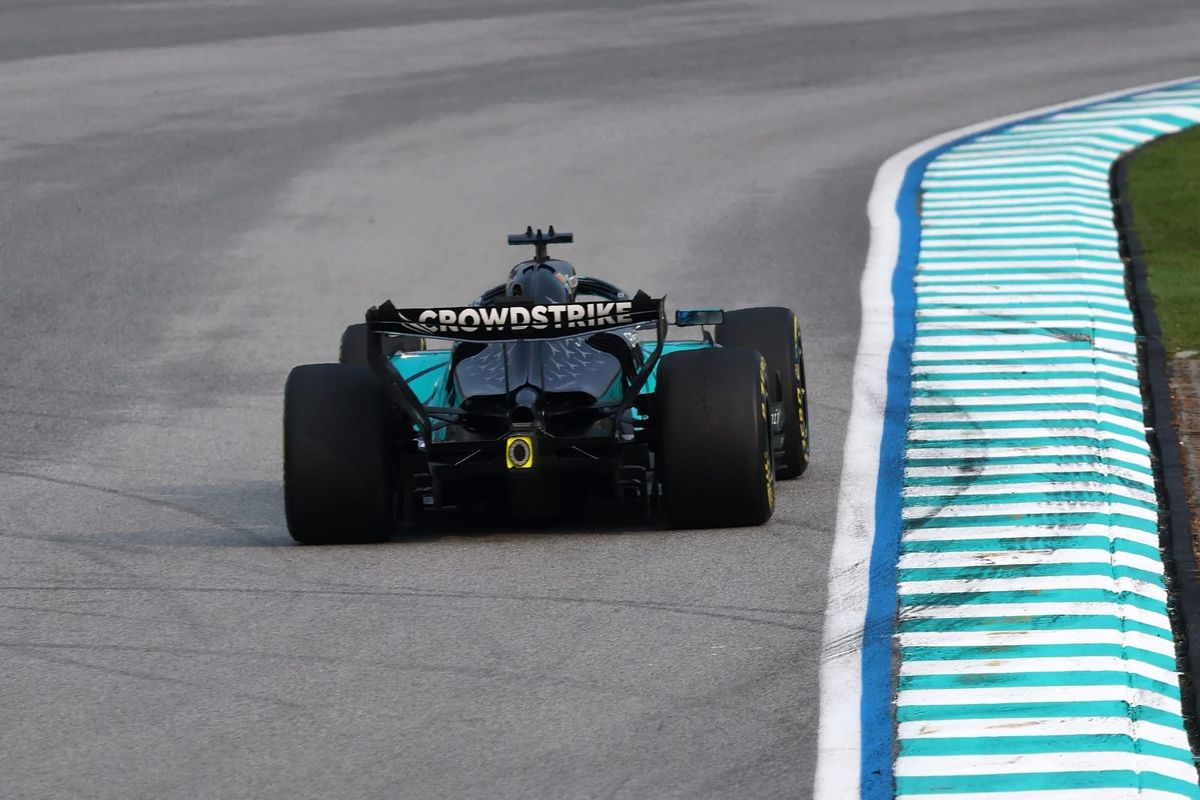
Mercedes arrived with a major upgrade worth roughly three tenths. Toto Wolff instead reports a half-second pace loss, triggered by surface roughness and extreme heat.
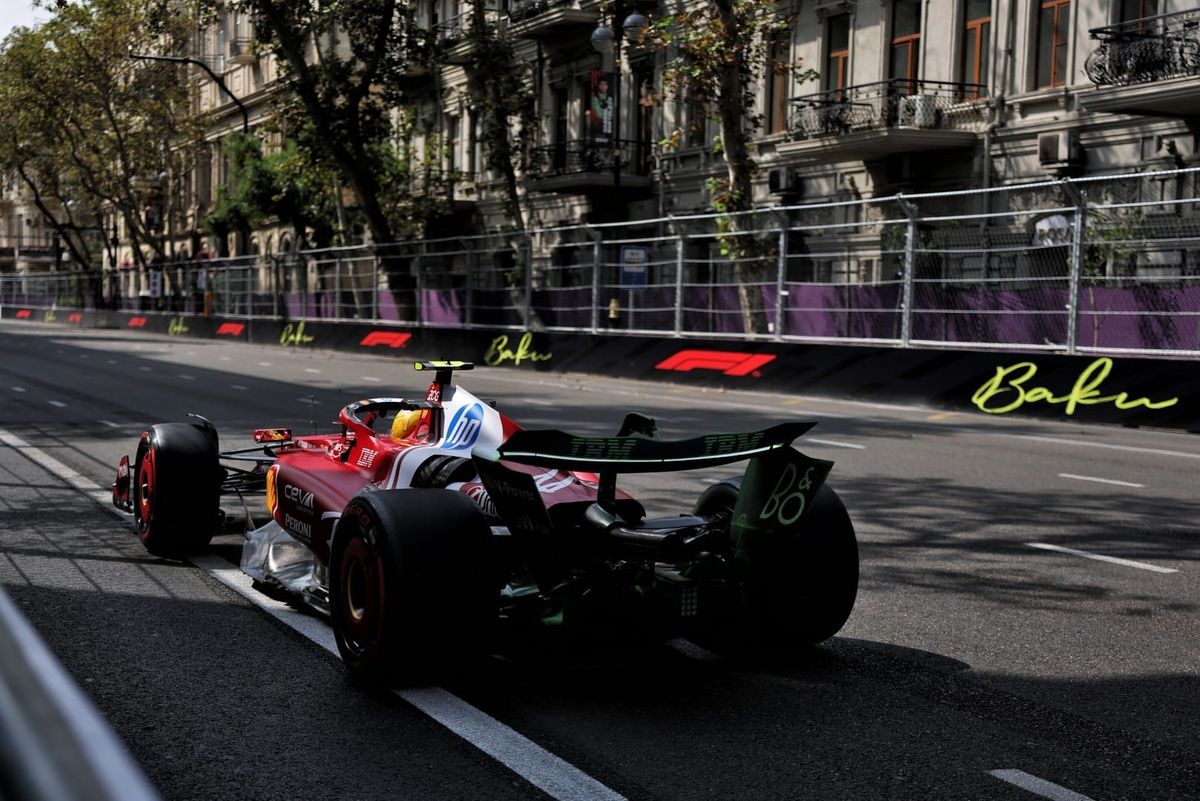
Ferrari also profited, finding consistent balance and traction when others searched for grip. Its step, though smaller than Red Bull’s, underlined how narrow operating windows punish misreads.
Max Verstappen secured pole and victory as Red Bull capitalised on Malaysia’s unique surface.
Red Bull principal Laurent Mekies labels the result a surprise, but points to a cocktail of heat, abrasiveness, and layout pushing cars beyond ideal mechanical and aero windows.
Sepang’s tarmac ranks among the roughest, rivalled only by Sakhir. Loose stones and a broken surface promote debris, disrupting underfloor airflow and destabilising wings and bodywork.
That instability hits most in slower corners, where load changes are largest. Mercedes reports throttle modulation to contain snaps, compounding tyre warm-up and masking its upgrade’s intent.
Deputy team principal Bradley Lord calls it a three-dimensional problem. Updates, temperatures, and surface interact, narrowing set-up scope and forcing compromises that erode driver confidence.
Mercedes estimates a 0.5s pace drop at Sepang despite a predicted three-tenth upgrade gain.
McLaren faces similar confusion. Strong high-speed form at Madrid and Zandvoort fails to carry over, as Andrea Stella suggests surface-induced aero behaviour beyond pure tyre effects.
Internally, McLaren’s data shows gains in load and grip. Yet rivals outpace it on track. Further detail on McLaren’s Sepang struggle supports this view.
Sepang’s rough surface appears to disturb aerodynamic flow as well as tyre behaviour.
The sensitivity echoes 2022–2025 ground-effect traits. Cars that rely heavily on stable underfloor flow prove vulnerable when airflow becomes noisy, producing inconsistent downforce and balance.
Results reinforce Red Bull’s adaptability. Verstappen wins with margin; Kimi Antonelli finishes second, but Mercedes never threatens victory.
For context on approach and ripple effects, see Red Bull’s complexity management and Malaysia’s fight for P6, which underline how track traits can reorder form.
Visual Summary
Sepang Shockwave
⛳️
Rough Surface
🔥
Extreme Heat
💠
Aero Instability
🏁 Verstappen
Surprise Pole & Victory
Red Bull
Mercedes + McLaren
Unexpectedly Slow
Upgrades Falter
Upgrades Falter
The rough, hot Sepang circuit disrupted airflow for even the fastest cars, flipping the championship script overnight.
“Makes the car operate in a weird way.”
🤔
— McLaren’s Andrea Stella
Next: Singapore – who adapts best to chaos?

Daniel Miller reports on Formula 1 Grand Prix weekends with race-day analysis, team-radio highlights, and point-standings updates. He explains power-unit upgrades, aerodynamic developments, and driver rivalries in straightforward, SEO-friendly language for a global F1 audience.