
https://shop.fervogear.com/cart

Max Verstappen Champions IndyCar Overtaking for Formula 1 Thrills

Highlights
- Max Verstappen supports returning naturally aspirated V8 engines
- Proposes IndyCar-style manual “push to pass” overtaking system
- Criticizes current DRS for making overtaking too easy
- F1 plans V8 powertrains introduction by 2030
- Suggests simpler engines with battery boost for better racing
Max Verstappen backs an IndyCar-style push-to-pass and a return to naturally aspirated V8s, arguing both would sharpen racing, speaking on the P1 with Matt & Tommy podcast.
He frames it as simplification: lighter engines, fewer hybrid dependencies, and overtaking decided by driver judgement rather than activation zones.

Since 2014, F1 has used turbo-hybrid V6s. The architecture increases weight and requires complex energy deployment, influencing balance, braking, and tyre management.
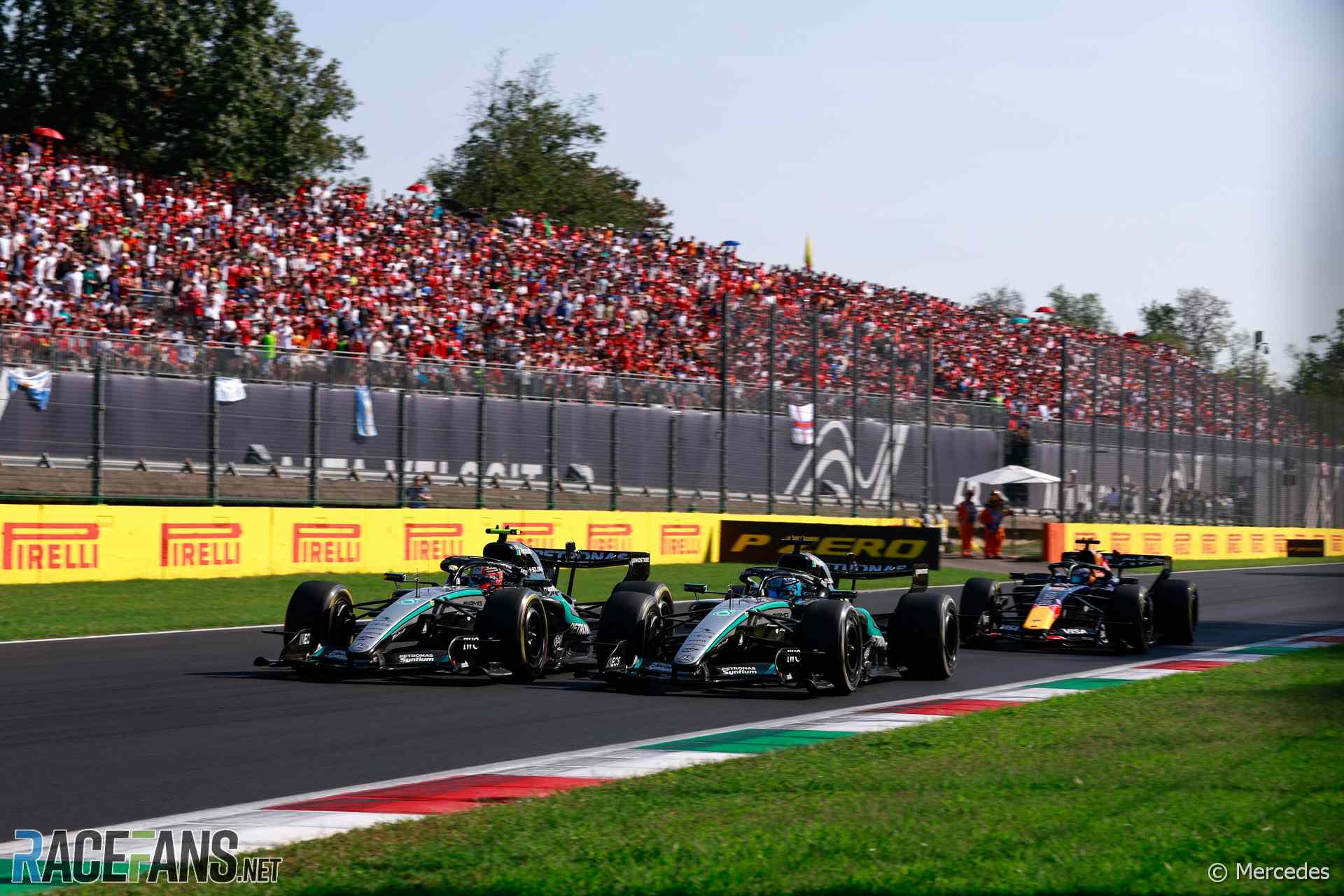
Verstappen argues naturally aspirated V8s would improve responsiveness and reduce mass, while restoring the acoustic character many fans associate with peak Formula 1.
“V8s are much better for every single scenario,” Verstappen says, highlighting weight, responsiveness, and driver engagement.
His sharpest criticism targets DRS. He contends the rear-wing opening can trivialise passes and distort defensive driving on long straights.
He prefers a manual, time-limited battery boost. Deployed on corner approach, it stresses timing, tyre grip, and confidence rather than straight-line efficiency.
That mirrors established IndyCar practice, exemplified by strategic duels such as the Kyle David rivalry, where deployment choices shape race craft.
The broader regulatory picture matters. Formula 1 targets V8 powertrains by 2030, but Verstappen urges a simpler unit paired with a small, driver-controlled battery.
A limited “push to pass” boost would reward precision and create varied attack and defence patterns.
Proponents argue lighter cars could shorten braking distances and improve following, while decoupling pace from intricate hybrid maps and cooling requirements.
Interest stretches beyond fans. Recent reactions from Verstappen’s family reflect the debate’s visibility across the paddock and grandstands.
The concept aligns with wider discussions on F1’s direction, including Villeneuve, Verstappen and Antonelli exchanges about spectacle versus technology.
Replacing DRS with a driver-governed system could restore jeopardy and preserve defensive craft.
Any shift must satisfy manufacturers and teams. Verstappen’s record-setting seasons, chronicled in recent milestones, underpin his credibility in this debate.
For Verstappen, the objective is straightforward: simpler hardware, greater driver agency, and overtakes that demand risk. The 2030 framework will test how far F1 follows.
Visual Summary
Verstappen’s V8 Dream
“Bring back the thunder. Give us real overtakes.”
Manual boost, lighter cars, pure racing—not just DRS tricks.
Manual boost, lighter cars, pure racing—not just DRS tricks.
⚡
IndyCar-inspired manual passing. Skill & timing over tech shortcuts.
V8 Thrill
VS
Hybrid Complexity
🏁 Real Racing, Real Sound, Real Skill.
Verstappen: “F1 should feel wild—like driving a thunderstorm.”

Daniel Miller reports on Formula 1 Grand Prix weekends with race-day analysis, team-radio highlights, and point-standings updates. He explains power-unit upgrades, aerodynamic developments, and driver rivalries in straightforward, SEO-friendly language for a global F1 audience.