
https://shop.fervogear.com/cart


Charles Leclerc Reveals Fear After Chaotic Sepang Incident

Highlights
- Technical issues caused multiple cars to slow on formation lap.
- Software glitch affected power units, causing acceleration loss.
- Wet conditions and low engine speeds triggered power fluctuations.
- Leclerc described the race start at Sepang as “scary.”
- Visibility problems and power differences raised safety concerns.
- FIA and teams to review power unit behavior in wet weather.
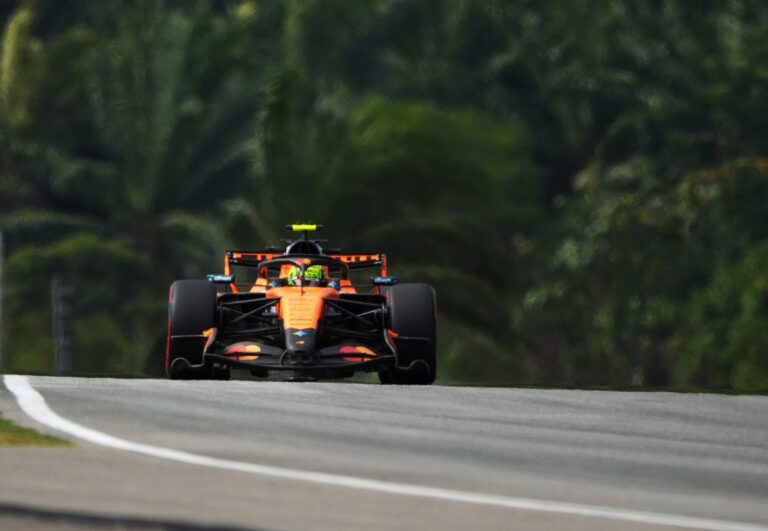
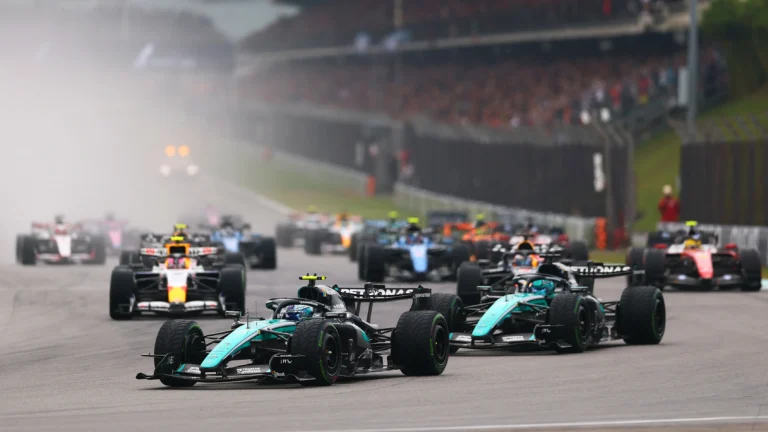
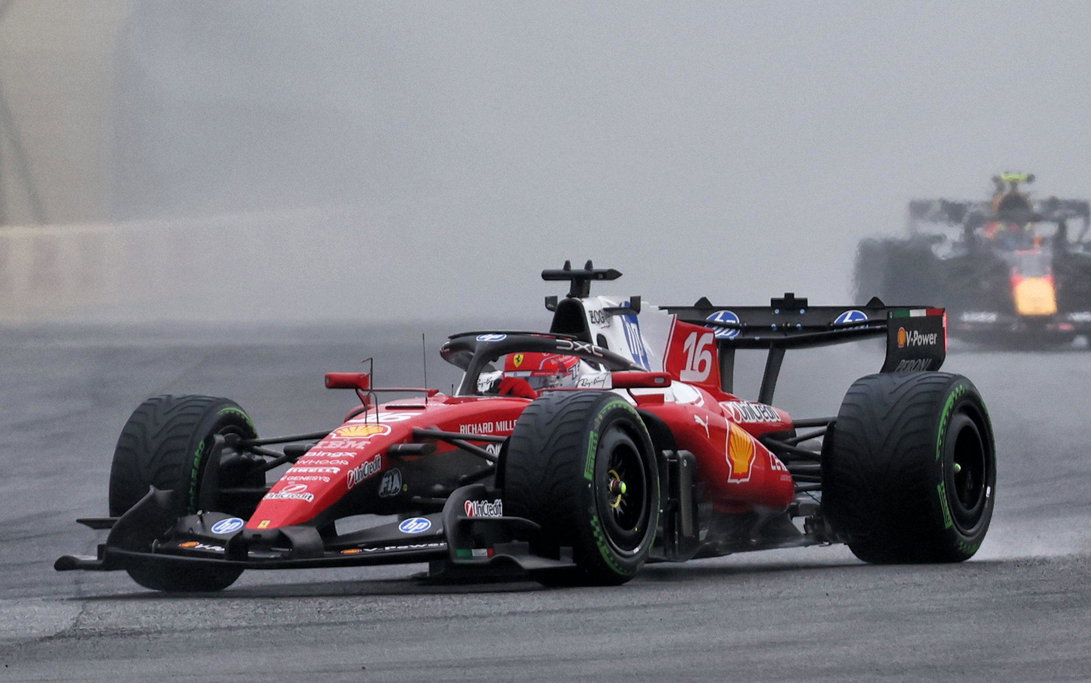
Charles Leclerc calls the Sepang start ‘scary’ after several cars slow on the formation lap, as a software glitch hobbles power units during Formula 1’s first wet running of 2026.
Drivers report lost acceleration and crawling speeds at the Sepang International Circuit. The FIA says low engine speeds clashed with wet‑weather maps, destabilising torque delivery and hybrid deployment.

Leclerc describes confusion as Max Verstappen opens a sudden gap, then appears to recover power. Heavy spray obscures the safety car, compounding misjudged gaps and inconsistent throttle response.
Teams indicate the glitch strikes at low RPM, clipping torque requests and blunting throttle pick‑up. Cars hesitate, then surge, creating hazardous closing speeds on corner exits and short straights.
Leclerc says his own push to accelerate triggers the same cut, forcing him down to roughly 20 km/h. Drivers await radio guidance as pace disperses unevenly through the pack.
Leclerc: “It was scary at the start,” after sudden power losses left cars near 20 km/h in heavy spray.
The episode exposes wet‑weather fragility in current hybrid control stacks. Misaligned protective strategies for drivability, harvesting, and deployment leave drivers unsure when torque will arrive.
Procedurally, inconsistent acceleration undermines restart spacing and invites rear‑end contact risks. Recent start position changes at Sepang underline how quickly formation procedures can become messy in poor visibility.
The FIA and teams begin a review of wet‑weather behaviour, focusing on torque filtering, anti‑stall thresholds, and low‑speed deployment logic to restore predictable responses.

Leclerc warns unpredictable differences of around 100 horsepower can appear on exits, a dangerous mix with obscured vision and cold tyres.
Unpredictable 100hp swings on corner exits, combined with spray, create dangerous closing speeds, Leclerc warns.
Verstappen’s brief recovery suggests the issue can clear with resets or parameter changes. That variability heightens risk during formation and restart phases, when drivers commit based on expectation.
Teams target more robust wet maps before Singapore, prioritising stable torque and clearer prompts. Despite the chaos, Leclerc’s P4 at Sepang underscores Ferrari’s baseline competitiveness.
Driver feedback will shape the review. Insights from Hamilton and Leclerc post‑race stress safety, transparency, and governance over complex software‑driven systems.
FIA and teams launch a focused audit of wet‑weather power‑unit mappings before the next rain‑affected event.
Sepang reinforces the delicate balance between speed, technology, and safety. Tightened calibrations and clearer comms are essential to prevent a repeat of this formation‑lap flashpoint.
Visual Summary
🔥 Chaos on the Formation Lap: Hybrid Glitch Stuns Sepang!
Acceleration Power During Glitch (Leclerc’s car)
Normal
Glitch!
~20 km/h maximum with 100hp+ lost
(F1 cars normally accelerate at up to 200 km/h here)
(F1 cars normally accelerate at up to 200 km/h here)
“
The start was scary – I tried to accelerate, but nothing happened. We lost so much power, and with all the spray, I couldn’t see where anyone ahead or behind was.
Any sudden speed difference felt dangerous.
”
The start was scary – I tried to accelerate, but nothing happened. We lost so much power, and with all the spray, I couldn’t see where anyone ahead or behind was.
Any sudden speed difference felt dangerous.
”
— Charles Leclerc
⚡ Software + Rain = Unpredictable Danger
The 2026 Sepang glitch proves: high-tech + weather can be a risky storm.
F1 must fix before next time!
F1 must fix before next time!

Daniel Miller reports on Formula 1 Grand Prix weekends with race-day analysis, team-radio highlights, and point-standings updates. He explains power-unit upgrades, aerodynamic developments, and driver rivalries in straightforward, SEO-friendly language for a global F1 audience.