
https://shop.fervogear.com/cart


F1 Drivers Win Massive Support Amid Controversial Track Design Debate

Highlights
- 94.5% of fans support drivers influencing track design.
- Drivers criticized Madring circuit for limited overtaking chances.
- Hamilton questioned qualifications of current track designers.
- George Russell demands more straightforward overtaking opportunities.
- Upcoming 2026 season could reflect increased driver influence.
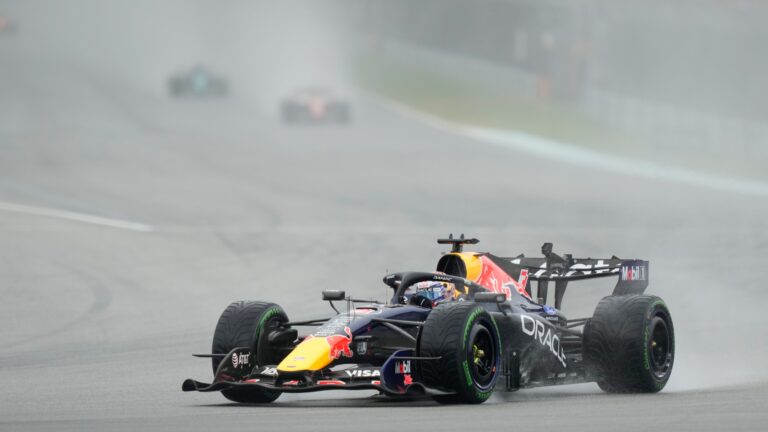
F1 drivers gain strong backing in the track-design debate after the Spanish GP at Madring, with a RacingNews365 poll showing 94.5% of fans want drivers to influence layouts.
The row centers on overtaking scarcity at the new hybrid circuit, where multiple drivers reported processional racing and limited passing zones.

Only 3.6% of respondents felt drivers should accept current designs, underscoring broad support for rethinking how modern circuits enable racing.
94.5% of fans support drivers influencing track design.
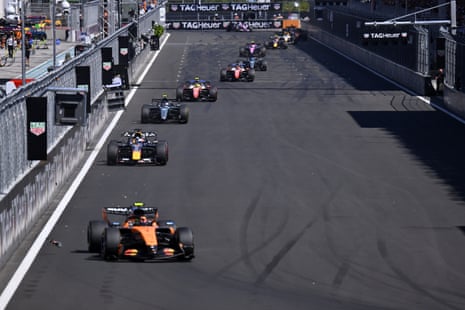
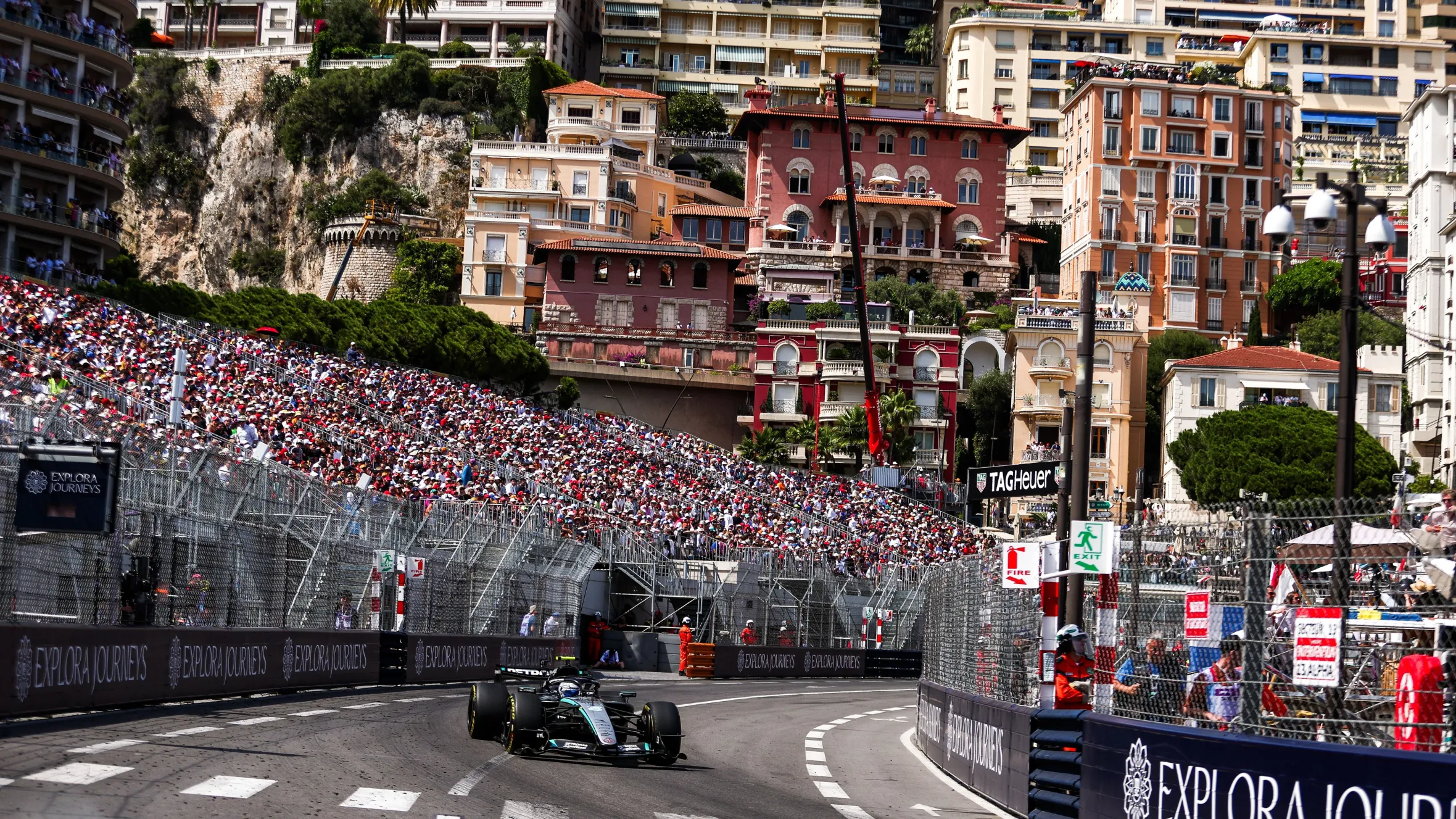
Alexander Albon argues permanent circuits with elevation, varied radii, and supportive camber create cleaner air pockets, whereas street tracks often lack those tools, compressing cars into turbulent wake.
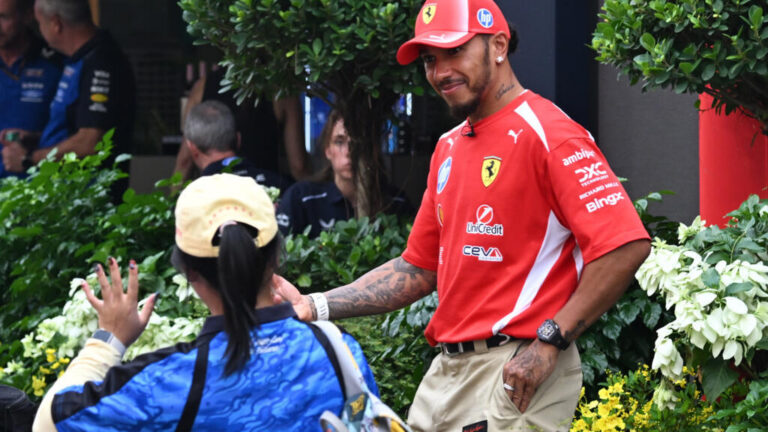
Lewis Hamilton sharpened the criticism, questioning designer credentials and lamenting venues where overtaking is near impossible.
“They’re making some of these tracks where you just cannot overtake.” — Lewis Hamilton
Hamilton’s wider reflections, including his recent rain-race challenges, underline how car behaviour and circuit traits together determine raceability.
George Russell pressed for straightforward passing zones, arguing every venue should feature a meaningful straight leading into a heavy-braking corner.
“Every track should have an overtaking opportunity after a bit of a straight.” — George Russell
The technical crux remains defining braking zones, corner geometry, and camber that help following cars, while ensuring safety, tyre loads, and DRS efficacy stay within regulatory limits.
Since 2022, ground-effect cars improve following but still suffer in disturbed air at certain speeds; that places extra emphasis on track architecture to generate passing opportunities.
With 2026 rules looming, packaging and aero changes could shift wake characteristics, yet circuit tweaks remain the quickest lever for improving overtaking now.
Influence channels already exist through the GPDA, FIA Circuit Commission, and FOM, where driver feedback can inform DRS placement, camber adjustments, kerb profiles, and corner re-profiling.
Strong fan sentiment may encourage organisers and promoters to widen consultation, balancing spectacle with cost, construction constraints, urban planning, and safety homologation.
As the 2026 campaign approaches, events such as the Singapore Grand Prix on October 11 and the United States round will keep design debates prominent.
This conversation also intersects with wider paddock discussions about driver influence, including Verstappen’s recent stance on driver aids.
If organisers prioritise defined passing zones after meaningful straights, expect cleaner strategy variance, fewer DRS trains, and more decisive battles without compromising safety.
Visual Summary
🏗️
🕹️
94.5%
Fans Want Drivers To Design the Tracks
“They’re making some of these tracks where you just cannot overtake, and it’s frustrating.”
— Lewis Hamilton
— Lewis Hamilton
“
Modern tracks lack real passing spots
➔ drivers want more!
➔ drivers want more!
Will Driver Voices Shape 2026 Circuits?

Daniel Miller reports on Formula 1 Grand Prix weekends with race-day analysis, team-radio highlights, and point-standings updates. He explains power-unit upgrades, aerodynamic developments, and driver rivalries in straightforward, SEO-friendly language for a global F1 audience.