

https://shop.fervogear.com/cart


Leclerc Admits 2026 F1 Rules Clash With His Driving Instincts

Highlights
- Leclerc says 2026 F1 rules challenge his natural racing style.
- Ferrari’s SF-26 struggles with aggressive driving due to software.
- New rules require 50/50 power split between engine and battery.
- Over-driving causes slower laps as car’s system fails to respond.
- Leclerc takes responsibility to adapt driving, not blaming engineers.
- Ferrari trails Mercedes by 150+ points after 15 races.
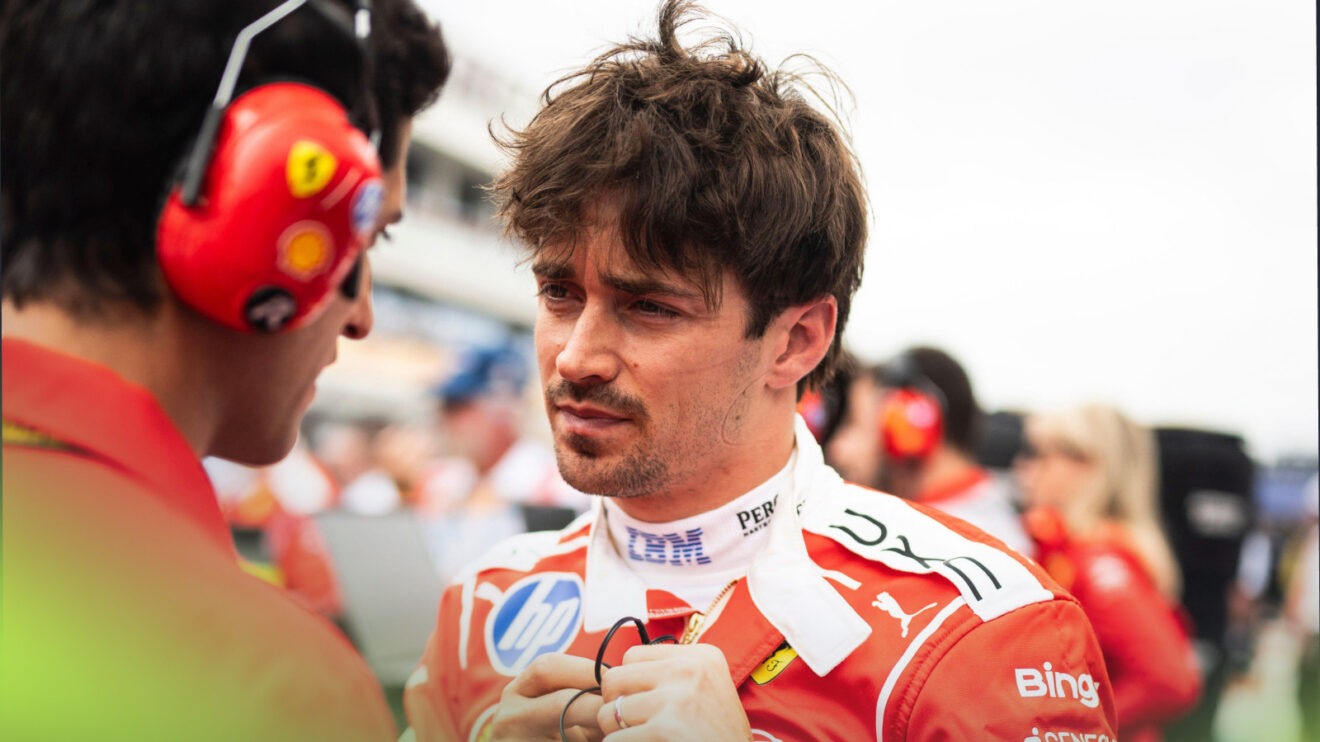
Charles Leclerc says the 2026 Formula 1 regulations are undermining his natural approach. Speaking during the Singapore weekend, he outlined how Ferrari’s SF-26 resists aggressive inputs and costs lap time.
The problem centres on the car’s energy management and control software. Push too hard, and the system hesitates, blunting exits and destabilising recovery phases.

The rules demand a strict 50/50 split between combustion and electrical power. That forces constant balancing of deployment and harvesting, with the car deciding how torque arrives.
Leclerc built a reputation on extracting time with decisive rotation and high-risk qualifying laps. In this package, over-driving triggers protection logic rather than extra grip.
He says the software “gets confused” by unorthodox inputs. The result is hesitation that costs tenths across a lap, compounding through sequences.
“Pushing harder now makes me slower,” Leclerc says of the SF-26’s control logic.
Ferrari trails Mercedes by more than 150 points after 15 races. That deficit magnifies the need to adapt quickly and standardise repeatable performance windows.
Leclerc avoids blaming engineers or the FIA technical framework. He accepts the onus is on him to tune his style and identify where algorithms hinder feel.
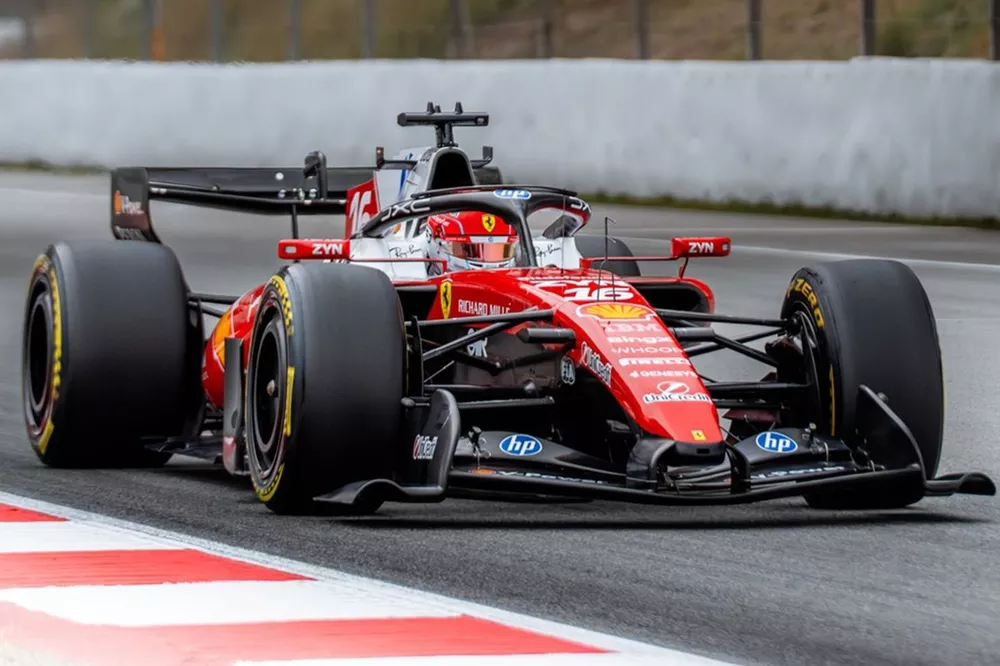
The SF-26’s control logic monitors grip and state of charge corner by corner. Aggression can upset harvesting targets, altering rear balance under braking and entry.
The 2026 regulations mandate a 50/50 split between combustion and electric power, reshaping how drivers create lap time.
Ferrari continues to iterate software maps and drivability tools. Recent strategy refinements aim for cleaner energy profiles across stints.
Singapore’s long traction zones and stop‑start rhythm expose these behaviours. Early sessions highlighted time lost on throttle application rather than peak cornering speed.
The wider 2026 direction emphasises efficiency and control. Precision replaces the instinctive over-commitment that once defined Leclerc’s most decisive laps.
Ferrari has won only two of the first 15 races in 2026.
The task now is aligning Leclerc’s peak with the car’s operating window. If achieved, qualifying volatility should reduce and race pace should stabilise.
Visual Summary
Leclerc’s
Instinct
Instinct
SF-26 Software
Limits
Limits
Instinct vs Algorithms
⏱️ Lost Speed:
software confusion = slower laps
Leclerc’s natural aggressive qualifying style meets
the SF-26’s strict algorithms.
Pushing hard = car hesitates.
Ferrari’s challenge: instinct vs computer control.
the SF-26’s strict algorithms.
Pushing hard = car hesitates.
Ferrari’s challenge: instinct vs computer control.
+150
Points Ferrari
trails Mercedes
trails Mercedes
2 / 15
Races won
this season
this season
The 2026 regulations test drivers in new ways.
Will Leclerc adapt or will instinct lose to code?
Will Leclerc adapt or will instinct lose to code?
🏎️⚡️ The new era: Man & Machine must become one.

Daniel Miller reports on Formula 1 Grand Prix weekends with race-day analysis, team-radio highlights, and point-standings updates. He explains power-unit upgrades, aerodynamic developments, and driver rivalries in straightforward, SEO-friendly language for a global F1 audience.




