

https://shop.fervogear.com/cart


“It Should Be Banned” – Why F1 Drivers Stay Split on Cooling Vests

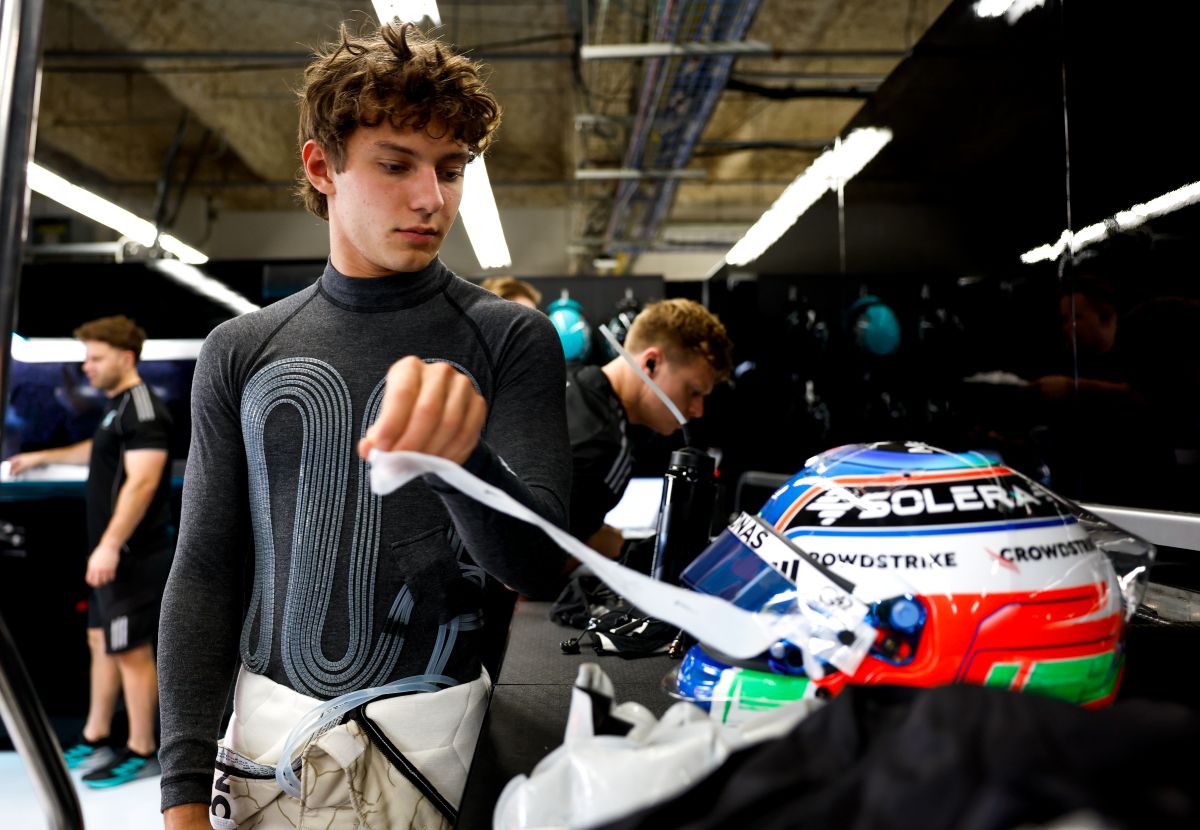
Highlights
- FIA introduced cooling vests for races over 31C since 2023 Qatar GP
- Drivers refusing vests must carry 0.5kg ballast in their cars
- Mercedes opts out of improving vests to focus on car performance
- Some drivers, including Verstappen, call for a ban on cooling vests
- Ferrari and Williams drivers report benefits from current cooling systems
- Debate continues balancing safety, comfort, and performance in extreme heat
Formula 1’s driver group remains split on cooling vests as the 2026 season reaches its fourth “heat hazard” event. The discussion intensifies with temperatures regularly exceeding 31C.
The FIA’s water-circulating vest, introduced after the 2023 Qatar Grand Prix, targets heat stress mitigation. Drivers declining the system must carry a 0.5kg ballast, equalizing any potential performance gain.

Early iterations offered limited duration and compromised cockpit comfort. In response, the FIA created cost-cap exemptions: $50,000 for full-distance solutions and $75,000 for comfort and efficiency-focused upgrades.
Teams differ on investment strategy. Mercedes has opted against tailoring the system, arguing resources are better directed at W17 performance, where gains are more consistent and measurable.
George Russell urges a stronger FIA framework to minimise resource diversion and ensure uniform standards. Clearer regulations could prevent uneven development and reduce operational overhead.
Drivers who refuse the vest must carry 0.5kg ballast, preserving weight parity across the grid.
Opposition remains vocal. Red Bull’s Isack Hadjar has called for an outright ban, arguing F1 should remain physically demanding.
Max Verstappen agrees, citing cable restrictions and limited long-run effectiveness. Alpine’s Franco Colapinto also dislikes wearing the vest, even in severe heat, preferring unencumbered movement.
“The vest limits movement and doesn’t cool effectively for a full race,” is a common complaint among opponents.
Reliability concerns persist. Mercedes rookie Kimi Antonelli reports two failures that triggered heat stroke symptoms. He now prioritises heat conditioning but remains open to a robust redesign.
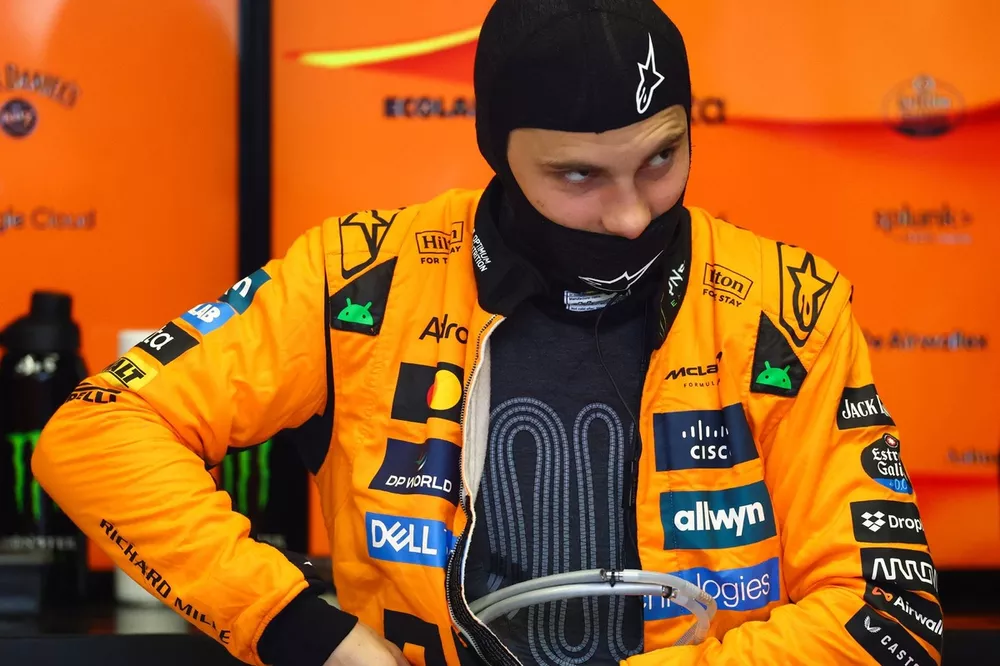
Others see clear upside. Ferrari’s Charles Leclerc prefers partial cooling to none. Williams’ Carlos Sainz praises team improvements benefiting him and Alex Albon on hotter Sundays.
Esteban Ocon calls the vest a “massive performance gain” for endurance under heat load, accepting its finite duration given the physical intensity of current cars.
FIA cost-cap exemptions: $50,000 for race-long cooling, $75,000 for comfort and efficiency upgrades.
Any ban would reshape cockpit packaging and weight strategies. Continued adoption influences cooling architecture, driver fit, and tyre management via reduced thermal stress on drivers.
The FIA must balance safety and competition as the cooling vest challenge evolves. Recent drivers’ demands for changes echo wider governance debates, including two-tier Formula 1 claims.
With more hot-weather rounds ahead, teams must choose between investing within exemptions or focusing purely on car pace. Incremental refinement, not a single solution, looks most likely.
Visual Summary
COOL
Vest On 🥶
🔥
31°C
Heat
Hazard
Hazard
+0.5kg
Vest Off 🔥
F1 Drivers Divided: Chill Out or Tough it Out?
+
Esteban Ocon: “A massive performance gain for the physical demands.”
+
Charles Leclerc: “It helps even for part of the race.”
–
Max Verstappen: “Cables limit movement and don’t cool for long.”
–
Isack Hadjar: “Ban them – F1 should stay tough.”
FIA Cost Cap: $50k ➜ $75k
FIA
Comfort vs Tradition
Where do you stand as F1 faces the heat?
Where do you stand as F1 faces the heat?

Daniel Miller reports on Formula 1 Grand Prix weekends with race-day analysis, team-radio highlights, and point-standings updates. He explains power-unit upgrades, aerodynamic developments, and driver rivalries in straightforward, SEO-friendly language for a global F1 audience.




