https://shop.fervogear.com/cart


Examining the Controversial Two-Tier System in F1 Racing

Highlights
- Top four F1 teams earned 83% of points since cost cap began
- James Vowles proposes catch-up system to start in 2027
- Only one race won by non-top-four teams in last 130 grands prix
- Podium spots for smaller teams dropped from 10% to 5% since cost cap
- Cost cap failed to help smaller teams close gap with leaders
- F1 operates as two-tier system favoring well-resourced top teams
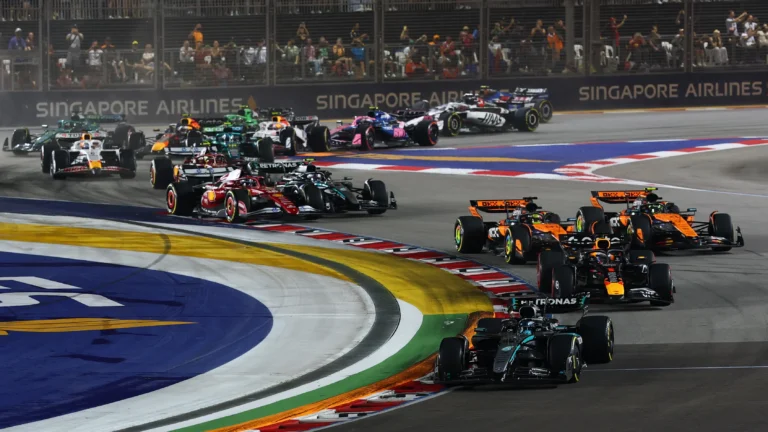
Williams team principal James Vowles says Formula 1’s cost cap entrenches a two-tier order, with Mercedes, Ferrari, Red Bull and McLaren tightening control of results since 2021.
He presents figures showing the big four claimed 83% of points from 2021-2025, up from 77% across 2011-2020, reinforcing his claim the competitive gap widens, not closes.

Speaking during the recent Singapore Grand Prix, Vowles argues lower-ranked teams now score fewer points while the leaders capture more, despite the cap’s intent to compress performance.
Top four teams have taken 83% of points since 2021 under the cost cap.
Only one race winner outside that quartet emerges in the last 130 grands prix, while podium diversity halves from roughly 10% to about 5% in the cap era.
Only one non-big-four victory appears across the last 130 races.
Vowles contends the cap locks structural advantages in place, from facilities and process maturity to recruitment strength, producing a de facto hierarchy within a supposedly level framework.
Championship distributions back that up: around 83–84% of points go to the top four, leaving less than 17% for six teams to divide.
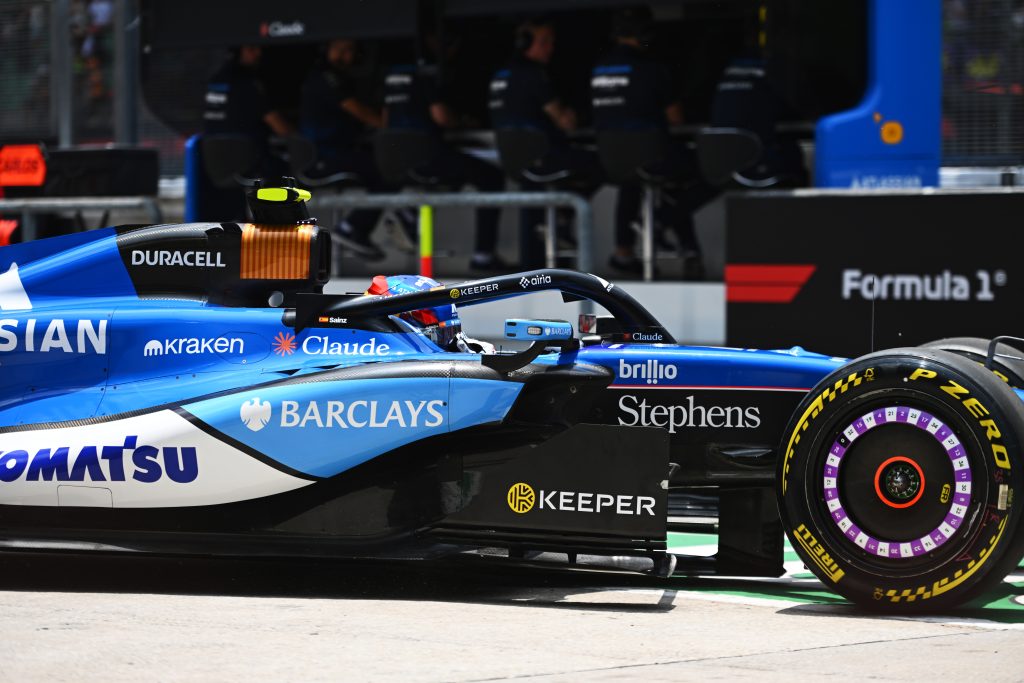
Occasional breakthroughs happen. Alpine, Aston Martin and Williams reach the leading group at times but struggle to sustain a season-long threat.
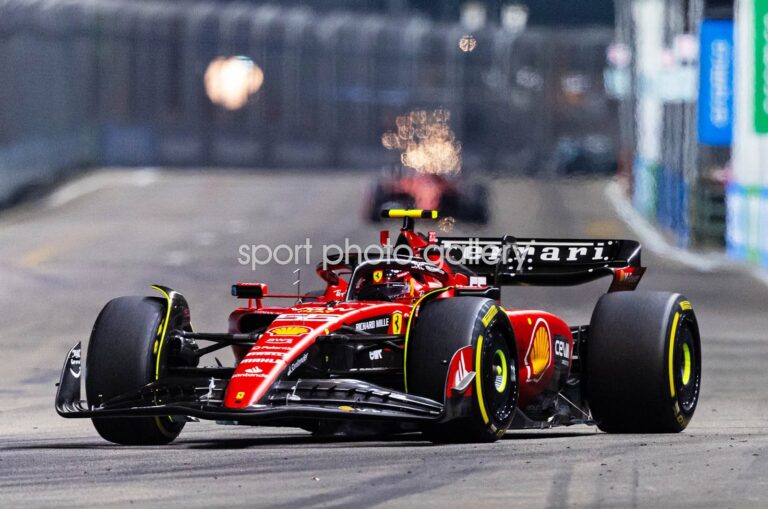
Context matters. McLaren’s mid-2010s slump suppressed pre-cap numbers, but its resurgence pushes the top-four share higher again, a trend reflected by Ferrari’s Singapore form this season.
Across the past decade, only four championship top-four berths go to non-big-four outfits. The last non-big-four podium reportedly came in 2015, when Williams finished third.
To counterbalance, Vowles proposes a catch-up mechanism, ideally starting in 2027, to accelerate development opportunities for trailing teams within future rulesets.
Vowles wants a formal catch-up system introduced for 2027 to rebalance competition.
Whether regulators act remains open. Without structural change, current leaders retain compounding advantages, and the grid’s middle increasingly fights for scraps rather than podiums.
Visual Summary
10%
5%
Podium
Diversity
Diversity
83%
points now
taken by Elite
taken by Elite
1
of last
130
GPs won by
non-big-four team
of last
130
GPs won by
non-big-four team
🛑
The Divide is Growing
F1’s ‘Big Four’ teams are more dominant than ever under cost cap rules.
83% of all points, 95% of podiums.
The rest? Struggling to climb.
Only 1 race in 130
won by an underdog.
Vowles calls for change:
‘F1 needs a catch-up system.’
F1’s ‘Big Four’ teams are more dominant than ever under cost cap rules.
83% of all points, 95% of podiums.
The rest? Struggling to climb.
Only 1 race in 130
won by an underdog.
Vowles calls for change:
‘F1 needs a catch-up system.’

Daniel Miller reports on Formula 1 Grand Prix weekends with race-day analysis, team-radio highlights, and point-standings updates. He explains power-unit upgrades, aerodynamic developments, and driver rivalries in straightforward, SEO-friendly language for a global F1 audience.