

https://shop.fervogear.com/cart


Isack Hadjar Demands Ban on Controversial F1 Gear

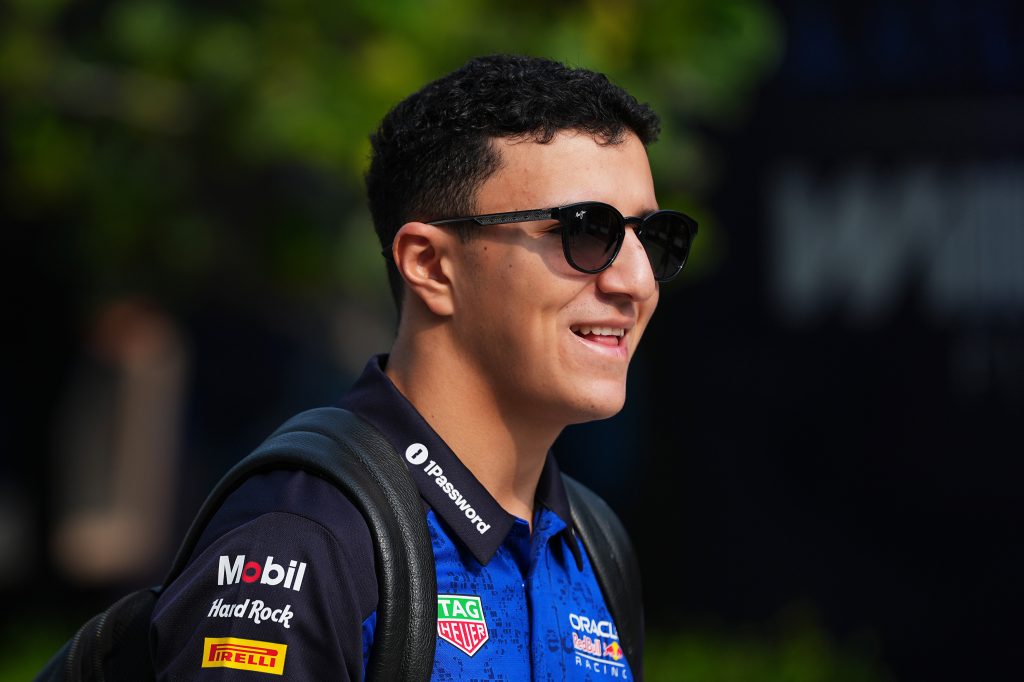
Highlights
- Isack Hadjar calls for a ban on cooling vests in F1.
- FIA rules mandate cooling vests starting with 2025 season.
- Vest use is optional; non-users add 0.5kg ballast weight.
- Max Verstappen avoids vest, citing movement restriction and inefficiency.
- George Russell supports wider cooling vest usage for driver safety.
- Cooling vest failure caused heat stroke in Kimi Antonelli.
Red Bull rookie Isack Hadjar urges Formula 1 to ban cooling vests ahead of Singapore, arguing the sport’s physical challenge should remain uncompromised by auxiliary driver aids.
Speaking before the heat-intensive Marina Bay weekend, Hadjar said, “I think it should be banned,” framing it as purity over safety. Further detail on Hadjar’s stance underpins his position.

The vests circulate chilled fluid through fireproof garments under race suits. From 2025, FIA rules formalise system use in heat-hazard events; wearing the vest stays optional, with 0.5kg ballast applied.
The rules follow Qatar 2023’s extreme conditions, when cockpit temperatures exceeded 50°C and several drivers needed post-race treatment. The FIA mandates cooling systems when the heat index exceeds 31.0°C.
Approaches diverge across the grid. Max Verstappen avoids the vest, citing restricted movement and fading effectiveness over race distance. George Russell backs use, mirroring Mercedes’ challenges integrating lightweight, durable systems.
Drivers who skip the vest must add 0.5kg ballast under 2025 rules.
Concerns are also technical. Fluid can warm in 20–40 minutes, turning vest into a heat source. A pump failure gave Kimi Antonelli heat stroke as water neared 50°C.
Kimi Antonelli suffered heat stroke after a cooling-vest pump failure circulated near-50°C water.
That variability complicates choices for Singapore, where traffic and safety cars extend stints. Red Bull and Mercedes must balance cooling resilience, packaging, and weight. Hadjar’s Singapore preparation hints at trade-offs.

The 0.5kg ballast is small, yet it influences weight distribution and tyre management in humid conditions. Teams will judge benefits against cockpit freedom, especially on traction-limited exits at Marina Bay.
“I think it should be banned,” — Isack Hadjar
Hadjar’s view highlights a split: preserve the test, or widen safety margins. The FIA could refine standards, improving pump reliability, insulation, and heat exchange rates rather than altering optionality.
Immediate readouts will come from debriefs and telemetry after initial running, including Hadjar’s first-lap reaction, and the key indicators teams use to judge cockpit conditions.
Visual Summary
❗
I think it should be banned.
Isack Hadjar
I think it should be banned.
Isack Hadjar
🔥
❄️
Split grid: Endure the heat
or cool with tech?
50°C
Cockpit heat at recent races has
soared above 50°C
— Will drivers fight the elements, or each other?
soared above 50°C
— Will drivers fight the elements, or each other?
🧤
🧤
Hadjar
Ban Vests
Russell
Protect Drivers
Singapore Grand Prix is up next, bringing the heat — and the debate.
Read why Hadjar demands a ban | his prep for Singapore
Read why Hadjar demands a ban | his prep for Singapore

Daniel Miller reports on Formula 1 Grand Prix weekends with race-day analysis, team-radio highlights, and point-standings updates. He explains power-unit upgrades, aerodynamic developments, and driver rivalries in straightforward, SEO-friendly language for a global F1 audience.




