

https://shop.fervogear.com/cart


How Drivers Can Accurately Document Measurements for a Custom Racing Suit
Learn practical steps and tips for racing drivers to measure themselves accurately when ordering a custom racing suit, ensuring the best fit possible.

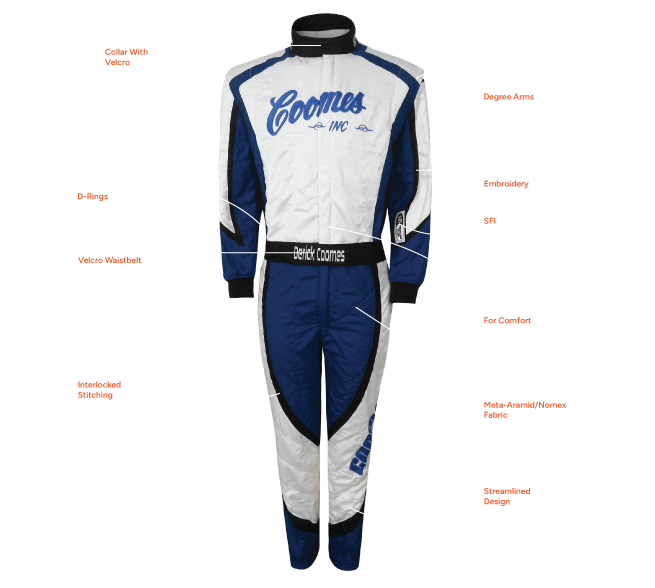
For racing drivers, a properly fitting custom racing suit is more than just a matter of comfort — it’s essential for optimal performance and safety. Because off-the-rack suits rarely fit the unique body shapes and preferences of every driver, many opt for custom suits tailored precisely to their measurements. However, accurately documenting those measurements can seem daunting without some guidance. This article offers practical advice and detailed instructions to help drivers record their measurements for a custom racing suit with confidence, whether working with FervoGear or another supplier.
Why Accurate Measurements Matter
A custom racing suit must fit well to allow freedom of movement, avoid discomfort, and not interfere with safety equipment. Poorly taken measurements can lead to a suit that is too tight, too loose, or restricts mobility. Since the construction and materials used in racing suits can be costly and time-consuming to alter, precise measurements save time and money downstream. Documenting your own measurements carefully also speeds up the ordering process and helps the tailor or manufacturer understand your specific needs.

Essential Tools for Measuring
Before you start, gather a few simple tools:
- Soft measuring tape: A cloth or flexible plastic tape measure is best for body contours.
- Mirror: A full-length mirror helps ensure the tape is level and straight.
- Assistant: Having a friend or family member assist improves accuracy, especially for back and shoulder areas.
- Pen and notebook or digital device: For recording measurements as you go.
- Comfortable clothing: Wear tight-fitting apparel like a t-shirt and leggings or undergarments you normally race in to replicate the base layers under your suit.
Key Measurements to Document
While exact measurement requirements can vary by manufacturer, the following are commonly requested for custom racing suits:
1. Chest
Measure around the fullest part of your chest and shoulder blades, keeping the tape snug but not tight. Stand normally with arms relaxed at your sides.
2. Waist
Measure at your natural waistline, which is typically the narrowest part above your hips. Avoid sucking in your stomach — measure at a natural, relaxed position.
3. Hips
Measure around the widest point of your hips and buttocks, ensuring the tape is horizontal all the way around.
4. Neck Circumference
Measure around the base of your neck where the collar will rest, usually just above the collarbones.
5. Sleeve Length
Measure from the shoulder seam where the arm meets the torso, down the outside of your arm, to the wrist bone with your arm slightly bent.
6. Inseam
Measure from the crotch down the inside of your leg to the ankle bone, simulating the length of the pants portion of the suit.
7. Shoulder Width
Measure across your back from the edge of one shoulder to the other, keeping the tape straight across.
8. Torso Length
Measure from the base of the neck (where the collar meets the shoulders) down the front, through the crotch, and up the back to the starting point to get an accurate torso circumference.
9. Wrist and Ankle Circumference
Measure around your wrists and ankles where the suit cuffs will end.
Step-by-Step Measuring Tips
- Wear the proper base layers. Measure yourself in the clothing you will wear under the suit to replicate real racing conditions.
- Stand naturally. Maintain your normal posture; do not puff up your chest or suck in your stomach.
- Have someone assist you. Self-measurements are possible but often less accurate for hard-to-reach areas.
- Use the mirror. Check that the tape measure is straight and level around your body.
- Measure twice. Taking each measurement more than once ensures consistency.
- Record meticulously. Write down each measurement immediately to avoid forgetting or mixing up numbers.
- Note any preferences. If you want extra room in certain areas for comfort or layering, mention this to the tailor separately.
Common Pitfalls and How to Avoid Them
- Measuring loosely or too tightly: The tape should be snug but not constricting or loose enough to slide.
- Incorrect posture during measurement: Avoid slouching or unnatural positions as this skews results.
- Measuring without assistance: Some areas like shoulder width or back measurement are difficult alone.
- Forgetting key measurements: Check the manufacturer’s measurement checklist to ensure nothing is missed.
- Not accounting for comfort at race conditions: Factor in any undergarments, cooling systems, or padding you plan to wear.
Submitting Your Measurements
Once measurements are complete, organize them clearly and accurately before submission to the suit manufacturer or tailor. Many custom suit makers, including FervoGear, will provide digital or paper forms for measurement input. Include any additional notes about fit preferences or special requests.
Always ask for clarification if certain measurements are unclear or instructions differ from your usual methods. Proper communication with the provider is essential to produce the best-fitting suit.
Final Considerations
While documenting your measurements carefully is vital, be sure to check your sanctioning body’s current rulebook regarding suit specifications and fit requirements. Racing regulations may specify allowable materials, thicknesses, and design features that can affect how your suit should fit.
Custom racing suits are an investment in your safety and performance. Taking the time to document your measurements carefully will help ensure a suit that suits your body and your racing style. For drivers using FervoGear products, combining these best practices with FervoGear’s expertise can result in a comfortable and functional custom suit that meets your needs on the track.
If you’re preparing to order a custom racing suit, start with accurate self-measurements today to put yourself in the best position for a great fit.




