https://shop.fervogear.com/cart
How to Plan a Custom Racing Suit Design for Your Racing Team
Learn essential steps and practical tips for planning a custom racing suit design tailored to your racing team’s identity and performance needs.


Designing a custom racing suit for your racing team is an exciting opportunity to showcase your team’s identity while meeting the functional needs of motorsport competition. A well-planned suit design balances aesthetics, comfort, and safety considerations, and aligns with your team’s branding. This article will guide you through the key steps involved in planning a custom racing suit design that meets your goals and fits your team’s requirements.
Understanding the Purpose of Your Custom Racing Suit
Before you start creating designs, it’s important to understand the main purposes of a racing suit. Beyond its visual appeal, the suit must provide protection, comfort, and performance suitability for racing conditions. Additionally, your design will represent your team’s identity, sponsors, and values on the track.
Keep in mind that racing suit safety standards differ according to sanctioning bodies and racing series. Always refer to the current rulebook of your governing organization to ensure compliance with certification and safety requirements.
Defining Your Design Goals and Requirements
1. Identify Team Branding Elements
- Colors: Choose colors that reflect your team’s image and stand out on the track.
- Logos: Prepare high-quality versions of your team and sponsor logos.
- Fonts and Patterns: Decide on typography and any unique graphical elements relevant to your identity.
2. Consider Racing Environment and Type
- Type of Racing: Different motorsport types may require varied suit features.
- Climate: Consider ventilation and fabric weight based on typical racing conditions.
- Driver Preferences: Comfort features like stretch panels and collar design are important.
3. Determine Budget Constraints
While this article does not specify prices, establishing a budget helps narrow down material and customization options early on to avoid surprises.
Collaborating with a Custom Racing Suit Provider
Partnering with an experienced supplier like FervoGear can streamline your design process. When engaging with a provider, prepare to share:
- Your branding assets and color palette.
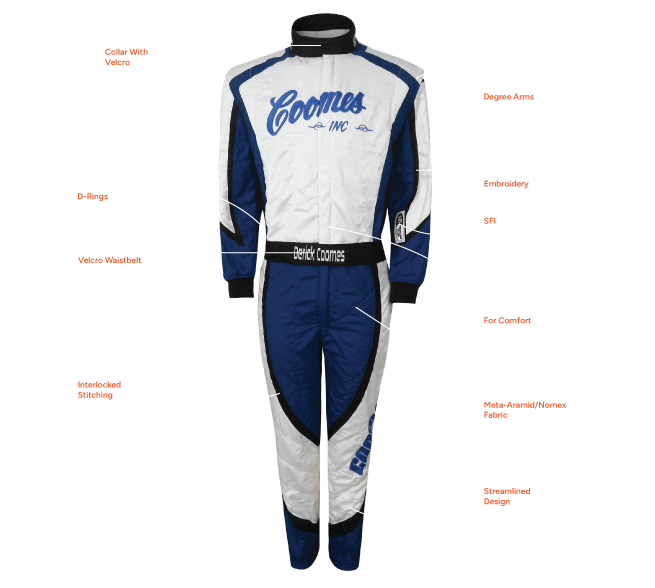
- Specific suit style requirements (e.g., number of pockets, closure types).
- Size ranges and number of suits needed.
- Any special features or inserts your team desires.
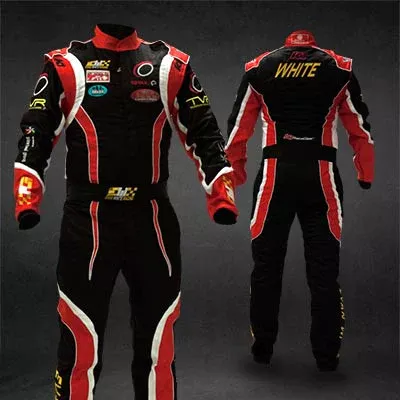
Providers often offer digital mock-ups that allow you to visualize and tweak designs before production. Take advantage of these tools to finalize your design accurately.
Planning the Design Workflow
Step 1: Concept Sketching and Initial Mock-ups
Start by sketching ideas that integrate your branding elements harmoniously on the suit’s silhouette. Work closely with your supplier’s design team to create digital renderings. This iterative process ensures your vision aligns with feasibility.
Step 2: Selecting Materials and Construction Details
Choose materials that balance durability, heat resistance, and comfort. Confirm that all fabrics comply with your series’ safety standards, referencing the latest sanctioning body guidelines. Discuss stitching methods, ventilation zones, and any special fabric treatments with the supplier.
Step 3: Review and Approval
Share the finalized design with your drivers and team members for feedback. Adjust for fit preferences and visibility of sponsor logos. Ensure all details meet your team’s expectations before moving to production.
Maintaining Compliance and Safety
Custom suits must adhere to current safety standards set by your racing series or sanctioning body. Requirements may specify flame resistance, tear strength, and certification labels. Since regulations can change, regularly check the official rulebook to verify that your suit design and materials remain compliant.
Checklist for Planning Your Custom Racing Suit Design
- Define your team’s branding colors, logos, and visual style.
- Review your racing series’ safety and certification requirements.
- Consider environmental and driver comfort needs.
- Draft initial design concepts and collaborate with the suit manufacturer.
- Select suitable materials and features according to function and compliance.
- Obtain feedback from drivers and make adjustments.
- Approve final design before production.
- Maintain documentation of compliance with current rules.
Conclusion
Planning a custom racing suit design involves a combination of creative vision and technical awareness. By carefully defining your team’s identity, understanding safety rules, and collaborating closely with an experienced manufacturer like FervoGear, you can create a suit that not only looks great but supports your drivers’ performance and safety on race day. Start early, communicate clearly, and prioritize both style and compliance to ensure a successful outcome for your racing team.